

VW Polo on finance: the complete UK buyer’s guide
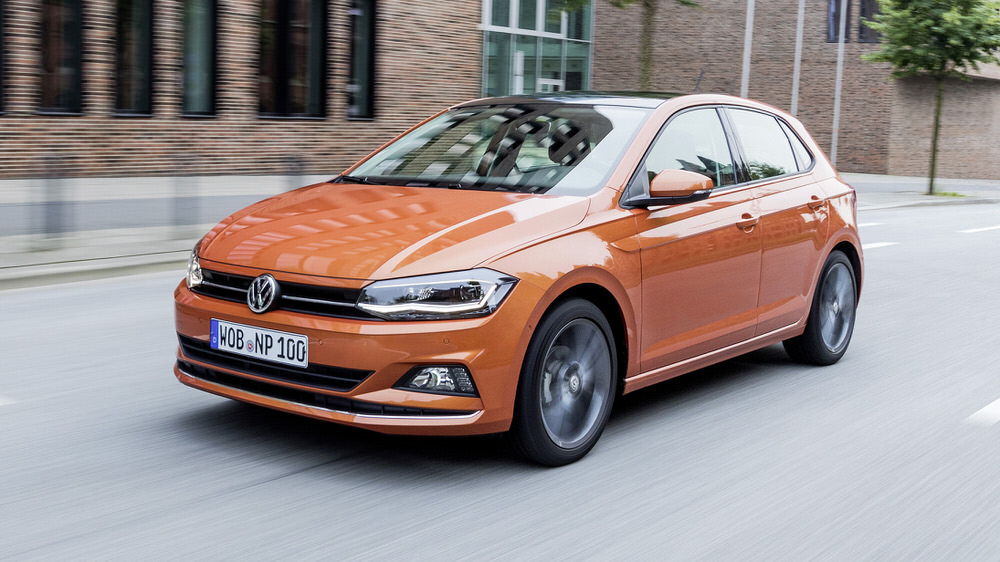
The Polo sits just below the Golf in VW’s range, and for a lot of buyers that is exactly the point. It is smaller, cheaper to insure and easier to finance affordably. Whether you are considering a new Polo on PCP or used Volkswagen Polo finance through a broker, this guide covers what you would actually pay, not just the deal of the month.
New versus used Polo on finance
A new Volkswagen Polo starts at around £22,000 for the entry-level trim as of July 2026, with higher specifications pushing closer to £27,000 to £29,000 before extras are added. Prices shift quarterly as VW updates its range and promotional offers.
Manufacturer deals can narrow the effective cost of going new. Volkswagen has been offering deposit contributions of between £2,750 and £3,250 on selected Polo models, with loyalty contributions available to existing Volkswagen Finance customers. These are model-specific and subject to change, so check what is current when you buy.
On the used market, a 2021 Polo typically sells for between £9,500 and £14,000 depending on mileage, engine and condition. Examples from 2023 are more commonly listed between £12,500 and £16,000. That drop from new list prices usually produces a lower monthly payment even when the APR on used finance is higher than a promotional PCP rate.
A nearly-new Polo, typically one or two years old, sits between both options. You absorb less of the initial depreciation hit than buying new, but the car is recent enough to carry current safety features and, in some cases, remaining manufacturer warranty.
A new Polo PCP with a strong deposit contribution and a high optional final payment can sometimes produce a monthly cost close to a used Polo on HP, even though the headline price is significantly higher. Always compare the total amount payable over the full term, not just the monthly figure.
If you are also weighing up a Golf or a larger VW, our guides to used VW Golf on finance and VW Tiguan finance costs cover both models in the same format.
PCP versus HP for a Volkswagen Polo
Personal Contract Purchase and Hire Purchase are the two most common finance routes for a Polo. Which suits you depends on what you want at the end of the agreement more than the headline monthly cost.
How Polo PCP works
With PCP, part of the car’s value is deferred to the end of the agreement as an optional final payment, sometimes called a balloon. Your monthly instalments cover the depreciation and interest on the amount borrowed, not the full purchase price. That is what keeps PCP payments lower than HP on the same car.
At the end of the term you have three choices: pay the optional final payment and keep the Polo, return the car within the agreed mileage and in good condition, or use any equity in the vehicle toward another agreement.
The Polo’s residual values tend to be reasonably strong for a small car. A higher predicted future value means more of the purchase price can be deferred, which reduces your monthly payment.
PCP works well if you know your annual mileage and plan to change vehicles at the end of the term. Exceeding the mileage limit costs money per mile, and the car needs to be in good condition if you plan to return it.
How Polo HP works
With Hire Purchase, the price minus your deposit is divided across the term with interest added. There is no optional final payment. Once the last instalment is paid, the car is yours.
Monthly payments on HP are higher than PCP on the same car because nothing is deferred. HP agreements do not typically carry mileage limits, which makes them better suited to drivers who cover more miles or want to keep the car for several years. For a used Polo through a broker, HP is the standard product.
See what a used Polo would cost you on finance, get a personalised quote in minutes.
What affects your VW Polo monthly payments
There is no standard Polo monthly payment. The amount varies depending on the car, the finance product and your circumstances.
The price of the car has the biggest influence. A used entry-level Polo will cost considerably less to finance than a new R-Line or GTI. Age, mileage, trim level and gearbox all affect the vehicle price, and automatic models generally carry a premium over equivalent manual versions.
Your deposit reduces the amount borrowed. On used finance, this might come from savings, a part-exchange or a combination of both. On a new PCP deal, a manufacturer deposit contribution effectively supplements your own, though it is typically tied to a specific product, term length and order window.
The agreement term determines how many months you spread the balance across. A longer term lowers the monthly payment but increases the total interest paid. Most agreements run from 24 to 60 months.
The interest rate can make a large difference to the total cost. Promotional new-car PCP rates are sometimes available but tied to specific models and quarters. Used finance APRs vary by lender, vehicle age and your credit profile. Always compare the total amount payable, not just the monthly figure.
Your credit profile affects which lenders will consider your application and on what terms. A stronger profile typically gives you access to better rates and a wider lender choice. A weaker profile does not automatically mean a refusal, but the rate offered may be higher and a larger deposit may be requested.

Is the Polo a good first car on finance
The Polo comes up regularly as a first car recommendation, and there are practical reasons for that.
It is compact enough for town driving and easier to park than a Golf or larger hatchback, but has five doors and enough interior space for passengers and shopping. That combination makes it practical for everyday use without feeling like something you will quickly outgrow.
Most versions use 1.0-litre or 1.5-litre petrol engines. The smaller units deliver reasonable fuel economy for mixed driving, which helps keep monthly running costs in check.
Insurance is where first-time buyers often get caught out. The Polo covers a wide range of insurance groups across its model range. An entry-level version with a 1.0-litre engine sits toward the lower end of the scale; a Polo GTI sits considerably higher. Get an insurance quote for the exact registration you are considering before committing to finance, not a general estimate for the model. A monthly payment that looks manageable can quickly become harder to sustain once insurance is added.
Budget for fuel, road tax, servicing and tyres alongside the finance payment. The Polo has a solid reliability record on the used market, but before you buy, confirm the service history, MOT records, whether any outstanding finance is recorded against the car and whether it has previously been written off.
For more on finance products designed for newer drivers, see our young drivers car finance page.
Check your eligibility for Polo finance, soft check, no impact on your credit file.
How to apply for Polo finance with Motorly
Motorly searches across a panel of lenders rather than routing your application to a single finance house. That gives your application a wider assessment and a better picture of what is available for your circumstances.
Complete the online application with details about yourself, your income and what you are looking for; you do not need to have found a specific Polo before you start. Motorly then runs a soft credit search against its lender panel to check your initial eligibility. This does not affect your credit score, and a hard search only follows if you choose to proceed with a lender. Once you have a finance option confirmed, you can search for a suitable used Polo from an approved dealer, comparing vehicles on specification, mileage and price without being tied to one dealership’s stock.
Apply for Polo finance, decision in minutes, buy from any approved dealer.
VW Polo finance FAQs
Is the Polo cheaper to finance than the Golf?
Usually, yes. The Polo’s lower purchase price typically means a lower amount borrowed and a lower monthly payment. The gap can narrow depending on deposit, term, APR and whether a specific Golf deal carries a larger manufacturer contribution. Compare the total amount payable rather than the monthly headline.
Can I get a used Polo on finance with bad credit?
You can apply. Lenders assess your income, affordability, recent payment history and existing commitments rather than treating poor credit as an automatic bar. You may be offered a higher APR or asked for a larger deposit. Checking eligibility through a soft search first lets you see what may be available without affecting your credit score.
Is PCP or HP better for a Polo?
PCP tends to suit buyers who want lower monthly payments and plan to change the car at the end of the term. HP tends to suit buyers who want to own the car outright, are not concerned about mileage limits and plan to keep it long term. The right choice depends on your situation and the specific agreements available to you.
How much deposit do I need for a Polo on finance?
It depends on the lender and the product. Some agreements are available with a small or no customer deposit, though this is less common. Paying more upfront reduces what you borrow and lowers the monthly payment. A low-deposit agreement is not always cheaper once interest is factored in, so compare the total amount payable as well as the monthly figure.
Is the Volkswagen Polo a good first car?
It can be. It is compact and practical, with a broad choice of engines across the used market. The main things to check are the insurance cost for the exact registration you are buying and whether the full monthly budget, covering finance, insurance, fuel and servicing, is manageable.
What insurance group is the Volkswagen Polo in?
It varies significantly across the range. Lower-powered versions with smaller engines typically sit in lower groups. Performance variants such as the GTI sit considerably higher. Always check the insurance group for the exact car rather than the model in general, as two Polo models of different ages or trim levels can have very different premiums.
Vehicle prices and finance offers referenced in this guide are based on publicly available information as of July 2026 and may have changed. Finance is subject to status, affordability and lender approval. Terms and conditions apply.