Welcome to our guide on open banking! Open banking is quickly becoming an integral part of the financial services industry, and it is important to understand how open banking works and the implications it has on your experience. In this guide, we will cover what open banking is, how it works, the advantages and disadvantages, and the future of open banking. By the end of this guide, you should have a good understanding of open banking and how it may affect you. Let’s get started!
Am I automatically opted in to open banking?
Open Banking is not automatic, meaning that you must actively choose to participate in open banking and share your financial information with third parties.
How can I control who has access to my open banking information?
If you choose to participate in open banking, you can control who has access to your financial information by carefully selecting the third-party financial service providers that you share your information with. Before sharing your information with any third party, it is essential to carefully review their privacy policies and terms of service to ensure that they will treat your information with care and respect. It is also a good idea to regularly review the list of third parties to that you have granted access to your financial information, and revoke access for any parties that you no longer trust or no longer need access to your information.
How can I cancel access to my data?
If you have granted a third-party financial service provider access to your financial information through open banking, you can revoke their access at any time by following these steps:
Find the account or accounts that you want to revoke access for. This information should be available in the app or website of the third-party provider, or in the app or website of your bank or other financial institution.
Once you have found the relevant account or accounts, look for a setting or option that allows you to manage access to your financial information. This setting may be called “open banking,” “data sharing,” “third-party access,” or something similar.
Within the relevant setting or option, look for the option to revoke access for a specific third-party provider. This may be a button or a link that you can click on to initiate the revocation process.
Follow any on-screen instructions to complete the revocation process. This may include confirming your identity and providing a reason for revoking access.
After you have completed the process, the third-party provider will no longer have access to your financial information through open banking. Keep in mind that revoking access to your financial information through open banking will not necessarily prevent the third-party provider from accessing your information in other ways, such as through transactions that you initiate directly with them. If you want to prevent the provider from accessing your information altogether, you may need to take additional steps, such as closing any accounts you have with them or contacting them directly to request that they delete any information they have about you.
Can a regulated third-party provider make a payment from my account without me authorising it?
No – they will not be able to take unauthorised payments.
Open banking systems are designed to allow individuals to securely share their financial information with third parties, but not to allow third parties to make payments on their behalf without consent.
In general, open banking systems can be used with a wide range of financial accounts, including personal and business current accounts, credit card accounts, and investment accounts. Keep in mind that not all financial institutions or accounts may support open banking, so it is possible that some of your accounts may not be eligible for this service.
Can I use open banking if I don’t use online banking?
No you can not. You need an online or mobile banking set up for your payment account to use open banking
Is there a charge or cost to using open banking?
In most cases, there is no charge or cost for using open banking. Open Banking is typically provided free of charge by banks and other financial institutions. However, some third-party financial service providers may charge fees for certain services or features that they offer, and it is possible that using open banking to access these services or features could incur a charge or cost. It is a good idea to carefully review the terms of service and pricing information for any third-party financial service providers that you are considering using, to ensure that you understand any fees or charges that may be associated with their services.
What regulations do providers have to meet?
Third-party financial service providers that offer services through open banking systems are typically subject to strict rules of the FCA or European equivalent.
Does my bank or building society offer open banking?
It is possible that your bank or building society offers open banking, but this will depend on the specific institution that you are a customer of. Right now, the UK’s nine largest banks and building societies are mandated to make your data available via open banking. Other smaller banks and building societies can decide to offer the service.
Which banks and building societies offer Open Banking?
Advanced Payment Solutions Limited
Allied Irish Bank
Arbuthnot Latham & Co Limited
Bank Of Baroda (UK) Limited
Bank of Ireland UK
Bank of Scotland
Barclays
BFC Bank
C Hoare & Co
Citibank UK Limited
ClearBank Limited
Clydesdale Bank
Contis
Coutts & Company
Coventry Building Society
Creation Financial Services
Currency Solutions Limited
Cynergy Bank
Danske
FBN Bank (UK) Ltd
Foreign Currency Direct Plc
Ghana International Bank
Hargreaves Lansdown Savings
HSBC
ICBC (London)
Industrial and Commercial Bank of China
Investec
Jordan International Bank Plc
Lloyds Bank
M&S
MBNA
Metro Bank
Mizuho Bank
Monese LTD
Nationwide
NatWest
NewDay
Northern Bank Limited
OKEO LIMITED
Permanent TSB
Prepay Technologies
Project Imagine
Reliance Bank Ltd
Revolut
Royal Bank of Scotland International Limited, Luxembourg Branch
Sainsbury’s Bank
Santander
SG Kleinwort Hambros Bank
Spectrum Payment Services Limited
Starling Bank
Tesco Bank
The Access Bank UK Limited
The Bank of New York Mellon
The Co-operative Bank
The Governor and Company of the Bank of Ireland
The Royal Bank of Scotland
The Royal Bank of Scotland International
Tide Platform
TSB Bank
Turkiye Is Bankasi As
Ulster Bank
Ulster Bank Ireland DAC
Union Bank of India
Vanquis Bank
Virgin Money
Wells Fargo Bank, National Association
Wirepayer
Wirex Limited
Yorkshire Building Society
When I share my banking data via Open Banking, what information can companies be able to see?
When you share your data using Open Banking, companies can see the financial information that you have authorized them to access. This may include information such as your account balances, transaction history, and details about the financial products that you hold with your bank. It is important to note that you have control over which information is shared, and you can revoke access at any time.
How do I know Open Banking is safe?
The Open Banking system is regulated by the government and is designed to be safe and secure. To ensure that your data is protected, you should only share it with trusted third-party providers and make sure to use a secure connection when accessing your financial information.
Additionally, you can check to see if the provider has been certified by a regulatory body, such as the Financial Conduct Authority in the UK. This can provide an added layer of protection and give you peace of mind.
I am having problems paying for, receiving, or returning a product.
If you have any issues with a purchase please contact the retailer.
What if a payment is made that I did not authorise?
If you believe a payment has been taken without your authorisation, contact your bank or building society immediately.
What is Strong Customer Authentication?
Strong Customer Authentication (SCA) is a requirement under the European Union’s Second Payment Services Directive (PSD2) for electronic payments. It is designed to increase the security of online transactions by requiring the use of two or more independent authentication factors when a customer makes a payment. This can include something the customer knows (such as a password), something the customer has (such as a mobile phone), and something the customer is (such as fingerprint or facial recognition data). The goal of SCA is to make it more difficult for unauthorized individuals to access a customer’s financial information and make fraudulent payments.
We hope this guide has helped you understand open banking and the implications it has on the banking industry and customer experience. Open banking is sure to continue to evolve and shape the future of banking services, and this guide should have provided you with a good understanding of what open banking is and how it works.
Are you in the market for a new car but worried about the cost? Don’t worry, there are plenty of options available for financing your new vehicle at an affordable rate. In this guide, we’ll provide our guide to cheap car finance deals currently on the market. We’ll also discuss some tips and tricks for finding the perfect financing option to suit your budget and needs. So, if you’re ready to get behind the wheel of a new car without breaking the bank, read on!
Top Tips for Finding the Best Cheap Car Finance Deals
Shop around and compare rates from multiple finance partners
Shopping around and comparing rates from multiple finance partners is a great way to find the best cheap car finance deal. By comparing offers from different finance partners, you can be sure that you are getting the best possible rate. Be sure to compare not only the interest rate but also any fees or other charges that may be associated with the loan.
Consider a shorter loan term, which can result in a lower interest rate
A shorter loan term can result in a lower interest rate because the finance partner is taking on less risk. By paying off the loan over a shorter period of time, you are reducing the amount of time that the finance partner is at risk for potential default. As a result, many finance partners will offer a lower interest rate for shorter loan terms.
Put down a larger deposit, which can reduce the amount you need to borrow and result in a lower interest rate
Putting down a larger down payment can also result in a lower interest rate. This is because a larger down payment reduces the amount that you need to borrow, which in turn reduces the risk to the finance partner. As a result, many finance partners will offer a lower interest rate for loans with a larger down payment.
Consider purchasing a less expensive car, which can reduce the amount you need to borrow and result in a lower interest rate
Purchasing a less expensive car can also help you secure a cheap car finance deal. By choosing a less expensive car, you are reducing the amount that you need to borrow, which can result in a lower interest rate. Additionally, a less expensive car may also be more affordable to insure and maintain, which can help you save money in the long run.
If you have a good credit score, you may be able to negotiate a lower interest rate with the finance partner
If you have a good credit score, you may be able to negotiate a lower interest rate with the finance partner. Lenders use your credit score to determine your creditworthiness and the risk of lending to you. If you have a good credit score, the finance partner may be willing to offer you a lower interest rate as a reward for your good credit history.
Consider taking out a secured loan, such as a car loan, which can result in a lower interest rate than an unsecured loan
Secured loans, such as car loans, often have lower interest rates than unsecured loans. This is because a secured loan is backed by collateral, such as the car itself, which the finance partner can seize if you default on the loan. This reduces the risk to the finance partner and allows them to offer a lower interest rate.
If you have a trade-in vehicle, you may be able to use it as part of the down payment, which can also reduce the amount you need to borrow
If you have a trade-in vehicle, you may be able to use it as part of the down payment on your new car. This can reduce the amount that you need to borrow and may result in a lower interest rate. Additionally, using a trade-in vehicle as part of the down payment can also help you save money on taxes, as the trade-in value can be used to reduce the purchase price of the new car.
Finally, be sure to read the fine print and understand all of the terms and conditions of the loan before signing on the dotted line
Finally, be sure to read the fine print and understand all of the terms and conditions of the loan before signing on the dotted line. It’s important to know exactly what you are agreeing to and what your obligations are
How Motorly Can Help You Get The Best Cheap Car Finance Deals
A car finance broker, such as Motorly can help people like yourself find the best Cheap Car Finance Deals. At Motorly, we have relationships with a variety of finance partners and can help you compare different offers to find the one that is the most affordable and suitable for your needs.
We can also assist with the application process, making it easier and more convenient for you to obtain the financing you need to buy a car.
Motorly has access to a wide range of finance partners and can compare offers from different banks and other financial institutions to find the one that is the most affordable for you.
Motorly can guide you through the application process and help you gather the necessary documents and information to apply for car finance. We can also provide ongoing support and advice throughout the life of your car finance agreement, helping you to make timely and affordable repayments.
Don’t let the cost of a new car hold you back! With the help of Motorly, you can find affordable and flexible financing options that will help you get behind the wheel of your dream car without breaking the bank. So why wait? Start exploring your options today and drive off into a brighter future.
Winter driving can be a challenge, but there are a few simple tips to help you stay safe on the roads.
Slow Down: When driving in winter conditions, it‘s important to slow down and take your time. Snow and ice can make roads slick and reduce the amount of traction you have. Driving too fast can cause you to lose control of your vehicle, so be sure to slow down and give yourself plenty of time to react.
Increase Following Distance: Following too closely can be dangerous in any condition, but it‘s even more important to increase your following distance in winter. You need more time to slow down and stop in icy and snowy conditions, so make sure you leave plenty of space between you and the car in front of you.
Avoid Excessive Braking: Braking too hard can cause your tires to lose traction, so it‘s important to avoid excessive braking when driving in winter conditions. If you need to slow down, ease off the gas pedal and gently apply the brakes. This will help you maintain control of your vehicle and reduce the chance of skidding.
Use Your Lights: Make sure to use your headlights when driving in winter conditions. This will make it easier for other drivers to see you in dark or snowy conditions, which can help reduce the chance of a collision.
Be Prepared: It‘s also important to be prepared for winter driving. Make sure your car is in good condition by having it serviced regularly. Also, bring along a few winter essentials such as a snow brush, ice scraper, and a blanket in case you get stranded.
These are just a few tips to help you stay safe on the roads during the winter. Remember to always drive with caution and be aware of your surroundings. With a few simple precautions, you can help ensure a safe and smooth ride.
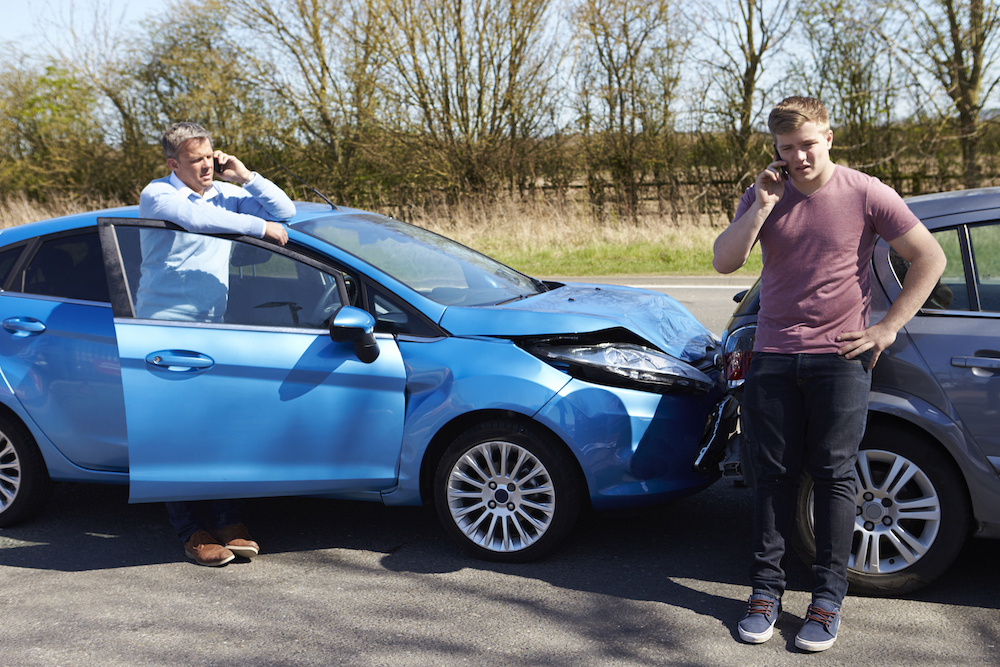
As the weather and the driving conditions become more unpredictable, it’s important to be prepared if an accident does happen. Unfortunately, car accidents can happen to anyone. Follow these steps to make sure the process is as simple and stress-free as possible:
1. Stop Your Car – First and foremost, stop your car. Even if you think the accident was minor, you must stop. Make sure that everyone is safe and that the other drivers involved are aware of the incident.
2. Check for Injuries – Check yourself and anyone else in the car for any injuries. If someone is injured, call 999 as soon as possible. Do not leave the scene. Wait for medical assistance to arrive.
3. Move Your Car – If you can, move your car out of the way of traffic, or to the side of the road. This will reduce the risk of another accident occurring.
4. Notify the Police – If anyone is injured or if there is any significant damage, you should call the police to report the accident. The police will create an accident report and will also help to direct traffic around the accident.
5. Exchange Information – Exchange information with the other driver involved in the accident. Make sure to get the other driver’s name, address, phone number, license plate number, and insurance information.
6. Take Photos – Take pictures of the accident scene. Include photos of the damage to your car, the other car, and any other evidence that can help to prove who was at fault.
7. The More Information the better – The more information you collect, the better. As well as taking photos, it’s also a good idea to write down what happened, to remind yourself later.
8. Contact Your Insurance Company – Contact your insurance company as soon as possible and report the accident. Make sure to provide the insurance company with all of the information you have collected, including photos and the police report.
9. Seek Legal Advice – If you feel you have been wronged or are in any way unsure of the legalities of the situation, seek legal advice. An experienced solicitor will be able to to help.
Following these steps will help to ensure that you are prepared in the event of a car accident.
How to prepare for a car loan and improve the chances of getting your new car
Looking to buy a new car? If you are considering a car loan to finance your new car you may be unsure of what you can do before you apply to improve your chances of getting accepted.
Here are our top tips to help you get the car loan you need to finance your next vehicle.
Save for a deposit
Although No Deposit options are available, the bigger deposit you have the less you’ll have to borrow.
By having a bigger deposit you make by able to decrease the size of the car loans needed to finance your vehicle. It could reduce the monthly payments, or you could borrow the money over a shorter loan term.
By borrowing less, you will also increase the chance of you getting approved. This is because the more you borrow, the higher the perceived risk you are to the finance partner.
Keep an eye on your credit report
When applying for a car loan, it’s worth knowing exactly what your credit score is. Your credit score is taken into account when taking out car finance. Therefore it’s vital to know where you stand with yours. That way, you will be able to make an informed decision on what to do next.
Once you know what your credit score is you can take steps to improve
How to improve your credit score
If your credit score is lower than you hoped it would be don’t panic! The good news is once you know what your credit score is you can take steps to improve it. A few small changes to your credit profile can have a dramatic on your score, and in turn, your chances of getting approved for a car loan.
Steps you can take to enhance your credit score include:
Register for the electoral roll
Ensure all bills are paid on time
Check for mistakes on your credit report
Cut down on credit card utilisation
Research which cars that you want and create a car wish list
Once you have a better understanding of your finances you can start to focus on the type of car you would like.
It’s a good idea to create a list of features that you require and ideally put them in rank order. That way, you’ll have a better idea of which features you won’t compromise on and those you may do.
Make sure to also think about what your needs will be in a few yours. For example, if you are thinking of starting a family a two-seater sporty convertible may be fun now but impractical in the future.
If you are still unsure exactly what car you want don’t worry. Our Sales Managers can help you with your car search.
Work out how much your old vehicle is worth
If you have an old car to sell or part-exchange it can help get your finance approved. The value of the old car can be used as a deposit in the new car loan deal and reduce your borrowing amount. Using an online valuation service should give you a good idea of how much your old car is worth.
Don’t forget an online valuation is only a rough guide and the amount you get could be different due to many factors – including the condition of the vehicle.
Decide on a budget
Deciding on a suitable budget for your car purchase is an important step in your car-buying journey. Knowing how much you can afford to pay without overstretching yourself will ensure you don’t start looking at cars you can’t afford.
It’s worth remembering that car ownership costs aren’t just the cost of the vehicle itself. You also need to factor in the annual MOT, tax, fuel and maintenance.
Apply for a Car Loan today
Ready to take the next step? Apply today for Car Finance and see how much you can borrow.
Understanding what you can afford is an important step when applying for car finance, especially for those with a bad credit history.
If you have made an application for finance in the last couple of years, it’s likely that you’ve heard of affordability. It’s likely that you were asked a few questions about your affordability status or even went through an affordability check.
Affordability has become a buzzword in the car finance industry over the last few years, and it’s all a part of being a responsible finance partner. By getting a better understanding of your income and outgoings, finance partners are able to get a better picture of what you really can afford to borrow.
How does affordability work?
When taking out car finance, finance partners will look at your income and outgoings to see how much disposable income you have. Simply put, the more disposable income you have, the more likely that you’ll be able to afford your car finance payments.
What type of car can I afford?
Taking out a car finance loan to pay for your new car is a big financial commitment that will run for several years. So, the affordability checks done by finance partners protect you from taking out finance you cannot afford. You don’t want the car repayments to push you into debt or make it harder for you to pay your bills. This is especially true for those with a bad credit history or who has struggled with their financial commitments in the past.
When considering how much you can afford to spend on a car, it’s important to consider all the extra costs and charges. It’s more than just the car payments. You have to factor in the insurance, fuel costs, road tax and the maintenance and upkeep of your vehicle. Depending on what car you choose, these costs can be higher than the monthly car payments.
At Motorly, we recommend that before deciding which car to buy, you set up a budget of what you can afford. All you need to do is to work out exactly how much your essential bills are per month. By doing so, you can work out what your disposable income is. Ideally, you want to have some flexibility in your budget to cover unexpected bills or a change in your personal circumstances. The more flexibility you have in your budget, the more likely it is that you will be approved.
By doing this before you start shopping for cars, you increase the chance that you will pass the affordability checks.
How Motorly can Help
If you are in the market for a new car, Motorly can assist you every step of the way. Our sales team have a wealth of experience and can help you to avoid any pitfalls and get behind the wheel of a new car.
Even if you have struggled to find the finance you need in the past, Motorly is the Bad Credit Car Finance specialist and can help you find a car finance solution that suits you. By working out your affordability first, you can make sure that you don’t fall in love with a car that is outside your budget.
Check out our handy Car Finance Calculator below to get an idea of what you can afford.
How to check and improve your credit score
What is a credit score?
A credit score, sometimes referred to as a credit rating, is a number given to you to show how good you are at repaying debts and keeping up with your bills. The bigger the score you have, the more confident finance partners will be to offer you finance. A higher score can help you get accepted for finance and at better rates.
Your individual score is calculated using a variety of factors, including your borrowing history, your current borrowing and other information about yourself including your income.
How can I check my Credit Score?
Motorly has partnered with Experian, who can offer you a free credit check today.
By checking your credit report, you can keep on top of your financial position and know where you stand when you apply for credit.
How can I improve my credit score?
Register on the electoral roll: Adding your name to the electoral roll is one of the easiest ways to improve your score.
Make sure you pay your bills on time: Too many missed payments will quickly damage your credit score. By keeping up with your payments, you are showing potential finance partners that you are reliable when paying your debts.
Check your credit report for fraudulent activity: If you see something that is wrong, such as a credit application that you didn’t make, you could be the victim of identity fraud. By regularly checking your credit report, you can keep on top of any issues.
Can I still get car finance if I have a bad credit rating?
Motorly has a panel of finance partners that cater to those whose credit scores are not perfect. If you have bad credit, and you are looking to buy a new car, or if other finance partners have rejected your application, Motorly may still be able to help you
Even though having a poor credit rating may limit the options available to you, the great news is that it’s still possible to get a car finance application accepted with a fair to poor credit rating.
Motorly has a panel of finance partners that cater to those whose credit scores are not perfect. If you have bad credit, and you are looking to buy a new car, or if other finance partners have rejected your application, Motorly may still be able to help you get a car finance deal that is right for you. Motorly are specialists in helping customers with bad credit rating to get car finance.
Salary: c£20,000 upwards (depending on experience) plus bonus
Are you an ambitious and highly diligent Administrator looking for your next challenge?
Do you like rolling up your sleeves, and agree with putting the customer at the heart of everything?
We can offer you a fantastic opportunity in a fast-paced, challenging and fun environment.
About Motorly
We believe that the car buying process still kind of stinks, it is not unusual to sit in a dealership completing paperwork for a couple of hours even if you’re a cash buyer, never mind needing finance.
The car finance industry hasn’t really seen a lot of innovation, And let’s face it…there’s nothing sexy about Car Finance, It’s essentially been the same product for 40+ years.
We’ve realised that a person shopping for a car isn’t necessarily shopping for a loan. So, we focus instead on improving the experience around car Finance before a customer ever gets to that stage of the buying process.
Allowing technology to do the heavy lifting with our finance partners allows us to offer pre-approved loans, so the customer can really focus on the shopping experience.
We really work to complete the entire process, and the loan only comes at the end, We assume if we do a good job bringing the customer through the process, we’ll get there.
#wearemotorly
Supporting the Sales Team, your responsibilities would include ;
Liaising with customers, dealers and finance partners to ensure quick turnaround times on all applications to payout, making sure that you are positively affecting outcomes for all parties.
Ensuring that paperwork and documentation is complete, accurate and in order and that all relevant details meet the exacting standards of our finance partners.
Working to targets in a fast-paced yet fun sales environment.
Able to manage own time, and workload to make sure that key touch points are met with all customers both internal and external.
Adhering to anti-money laundering and other relevant financial legislation.
Helping to prevent and minimise the risk of fraud and financial loss.
In part one of our series on smart motorways, we explained how smart motorways work and the technology behind now. In part 2, we go into the issues with them and what the UK government is doing about it.
Smart Motorways, the stretches of road that utilises the latest technology to regulate traffic flow, have been built to ease traffic congestion across the UK motorway system. However, these changes have often resulted in a key motorway safety feature – the hard shoulder.
So our smart motorways really as dangerous as what their critics suggest? And what, if anything, should be done about it?
What are the risks of smart motorways?
The removal of a permanent hard shoulder has been linked to deaths on smart motorways in recent years. In 2019 during an interview, the government told BBC Panorama that 38 people had died on smart motorways since they were introduced in 2014.
The government have faced growing criticism on this subject. The removal of the hard shoulder has led to motorists being trapped in a ‘live’ lane by speeding traffic in the event of a breakdown or other emergency.
This has led to a five-year pause in the rollout of further smart motorways whilst the Government reviews the current situation.
A recent YouGov Poll has highlighted the concerns that motorists have with the rollout of Smart Motorways. A shocking 64% of people asked thought that they were less safe than motorways with hard shoulders. That figure rose to an astonishing 82% amongst people over 65.
What is the UK Government doing about it?
The UK government is pausing the smart motorway rollout for five years to allow them to gather more safety data on the existing stretches of smart motorways that have already been built.
Highways England will also be investing close to one billion pounds to improve safety on the stretches of smart motorways that have already been built. Of that, £390 million will be used to add more emergency refuge areas.
This investment should lead to a 50% increase in areas to stop on smart motorways by 2025.
The Government plans on making a decision on smart motorways once all the data has been assessed.
Why were smart motorways originally introduced?
Traffic congestion is a growing problem in the UK that smart motorways aim to tackle.
Widening motorway sections is an expensive undertaking. Smart motorways offer a cheaper solution by using a feature that is already built – the hard shoulder.