Whether riding solo or with others, road tripping is one of the best ways to discover the world. Towering snow-topped mountains, glistening emerald coastlines and vast desert landscapes are some of the most breath-taking backdrops to the world’s 11 million miles of road. Let your daydreams run wild with our roundup of the world’s most scenic drives:
Pacific Coast Highway One, California
The Pacific Coast Highway spans over 600 miles along California’s coastline. Linking San Francisco, Santa Cruz, Big Sur, Morro Bay, and San Diego to name a few, you’ll see jaw-dropping cliffs, sky-scraping redwood trees and the famous arched bridges of Monterey County along this road.
Ruta 40, Argentina
National Route 40 in western Argentina runs parallel to the awe-inspiring Andes mountain range. The longest route in Argentina, Ruta 40 stretches over 3100 miles of land. If you plan to visit this stunning country, make sure you leave enough time to visit the 20 national parks and 18 major rivers that this route covers.
Amalfi Coast Drive, Italy
Famous for its thrilling hairpin bends and cliff-hugging location, the Amalfi Coast Drive is not for the faint-hearted. Spanning 30 miles between the city of Sorrento and the Amalfi village, this winding, picturesque route has been featured hundreds of times on the silver screen.
Milford Road, New Zealand
Also known as State Highway 94, Milford Road is one of the most beautiful roads in New Zealand. Passing through the Fiordland National Park in the spectacular Southern Alps, many travellers choose to stop off along the way to see the stunning Mirror Lakes and the dramatic waterfalls of the Cleddau River.
Tianmen Mountain Road, China
Though it is one of the shorter roads on our list, at just 6 miles long, the Tianmen Mountain Road reaches heights of over 1000 metres as it steeply winds its way up the side of the Tianmenshen Mountain. The road will take you to the naturally made Tianmen cave, which must be accessed on foot by climbing 999 steps.
The Atlantic Road, Norway
This 5-mile road runs through a cluster of small islands in Møre og Romsdal county, Norway. Receiving National Tourist Route status on 2005, this route is immensely popular for its eight curved bridges and awe-inspiring coastal views.
Chapman’s Peak Drive, South Africa
With a total of 114 bends and a thousand feet drop to the sea below you, the Chapman’s Peak Drive is a thrilling drive. Located on the south-western tip of South Africa and running from Noordhoek to Hout Bay, be sure to make a stop at a whale watching vantage point along the way.
Icefields Parkway, Alberta, Canada
One of the most beautiful drives in the world, the Icefields Parkway covers the 232km distance between the town of Jasper and Lake Louise. Along the way, prepare to be amazed by larger than life mountains, great sweeping valleys and of course, the glistening icefields.
Karakoram Highway, Pakistan / China
Connecting China and Pakistan through the Karakoram Mountain range, this is one of our most treacherous but most remarkable routes on the list. At 800 miles long, the route was once a key part of the “Silk Road” and is the location of the world’s highest international border, Khunjerab Pass at 16,000 ft.
Great Ocean Road, Australia
Australia’s Great Ocean Road covers 150 miles of coastline between Torquay and Nelson, which is located just outside of the Southern Australian border. Plan for pit stops at the renowned surfing haven, Bells Beach and the limestone “12 Apostles” pillars, a must-see spectacle of this dramatic coastal landscape.
The UK is due to leave the EU on the 31st of October 2019. This is a date that has long been on the horizon, and so far it has been unclear what exactly is going to happen when the UK does indeed leave the European Union. If you are due to drive in Europe after this date, there are a few important documents that you will need to carry with you. Not to worry, we are here to answer your questions.
What license will I need?
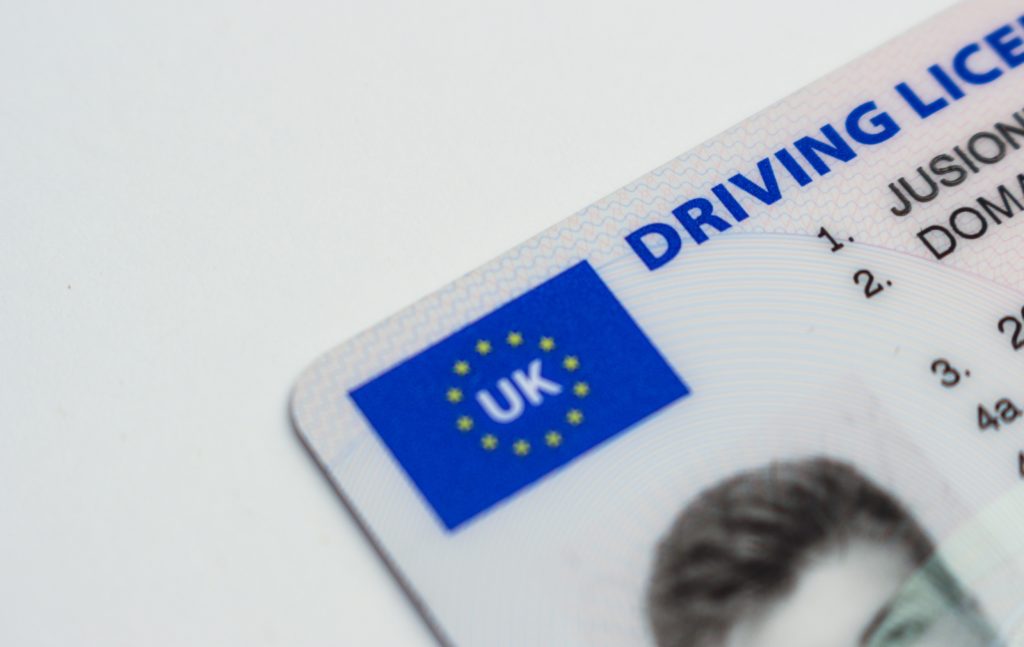
You will need to have your UK driving license with you if you are driving to, or through a European country. An international driving permit (IDP) may be needed, depending on which country you are travelling to. You can purchase an IDP from Post Office branches throughout the UK for the cost of £5.50.
Will my car insurance be valid?
Once the United Kingdom has left the EU, you will need a motor insurance green card for your vehicle, caravan or trailer. This green card will prove that your insurance covers the minimum that is required for the country that you are travelling in or through.
How do I get a green card?
You will need to contact your insurance provider to issue your motor insurance green card so that you have this ready for your upcoming journey. You should contact them at least one month ahead of your trip, to ensure that you receive this in plenty of time.
Will I need multiple green cards?
You may need multiple green cards if you are towing a trailer or caravan. This is because you will need a green card for each vehicle, including the ones being towed. Please be aware that some countries may require separate trailer insurance.
Documents to keep with you at all times:
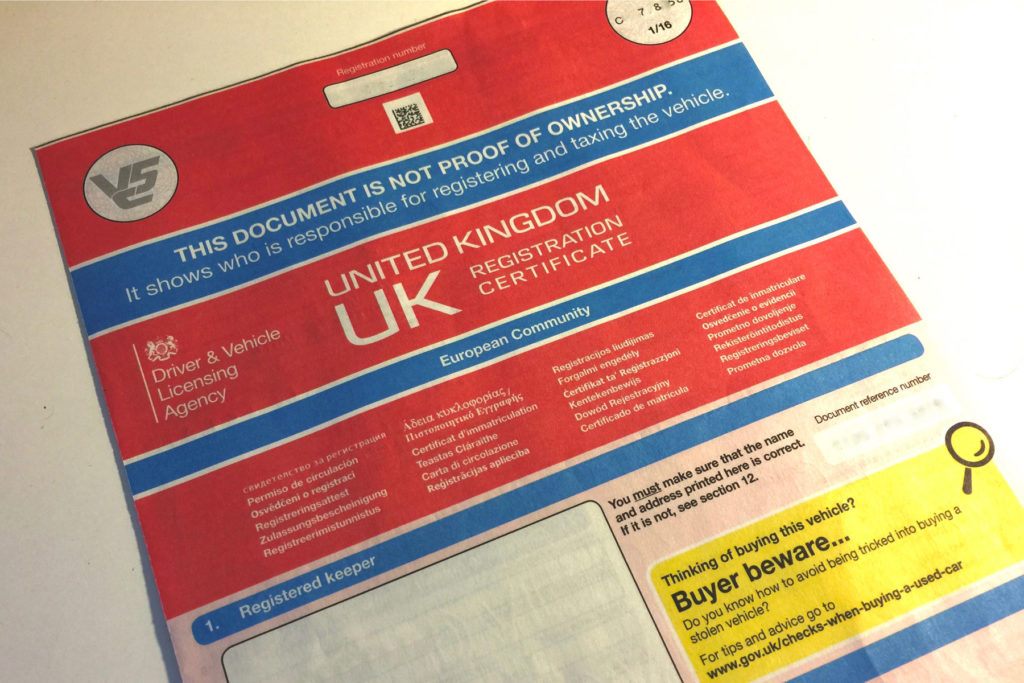
– Valid UK driving license – International driving permit (IDP) – Motor insurance green card – Vehicle registration documents (V5C) – GB sticker for the number plate – At least 6 months left on your passport
Do make sure that you carry the appropriate documents with you during your journey, to ensure smooth and safe travel with the EU authorities.
Additional links:
Useful links from gov.uk, if you need more details:
You can find further information on what brexit means for motorists from gov.uk.
The European Transport Safety Council (ETSC) first proposed that all new cars are fitted with mandatory speed limiters, called ISA’s (Intelligent Speed Assistance) in 2016. Now, after a vote by Members of European Parliament, the proposal has been approved. Within as little as 3 years time, a number of safety features including ISA’s, data logged black boxes, automatic braking assists and lane keeping technology could all become a legal requirement for new cars. This proposed ruling is hoped to dramatically improve road safety for all users, reducing collisions by up to 30% and preventing around 25,000 road deaths in the next 15 years.
The ISA’s work by using recognition technology to retrieve information about the speed limits on different roads. If there aren’t any visible signs on the road displaying a speed limit, then it will use GPS data to determine the limit. With this information, the ISA will be able to regulate the engine power of your car in accordance with the speed limit, although the driver can override this by accelerating harder, which would be necessary for certain situations such as emergencies or overtaking. A visual and audial warning will come on if the driver continues to drive the vehicle above the speed limit after overriding the system, which will only go off once the driver has reached the correct speed.
Despite the UK’s scheduled departure from the European Union this month, it is highly likely that these regulations will still apply to cars made in or for the UK markets too. The UK’s Vehicle Certification Agency (VCA) has said that it will continue to adopt EU legislation after Brexit and so we can expect that in the next 3 years, all new cars will contain speed-limiting features. To find out what consequences a no-deal Brexit could incur for the UK car market and car buyers, read our blog post here.
In the last 5 years, car thefts have increased by almost 50%. This increase is thought to be caused by a spike in thefts involving sophisticated technology that specifically targets cars that use keyless entry systems.
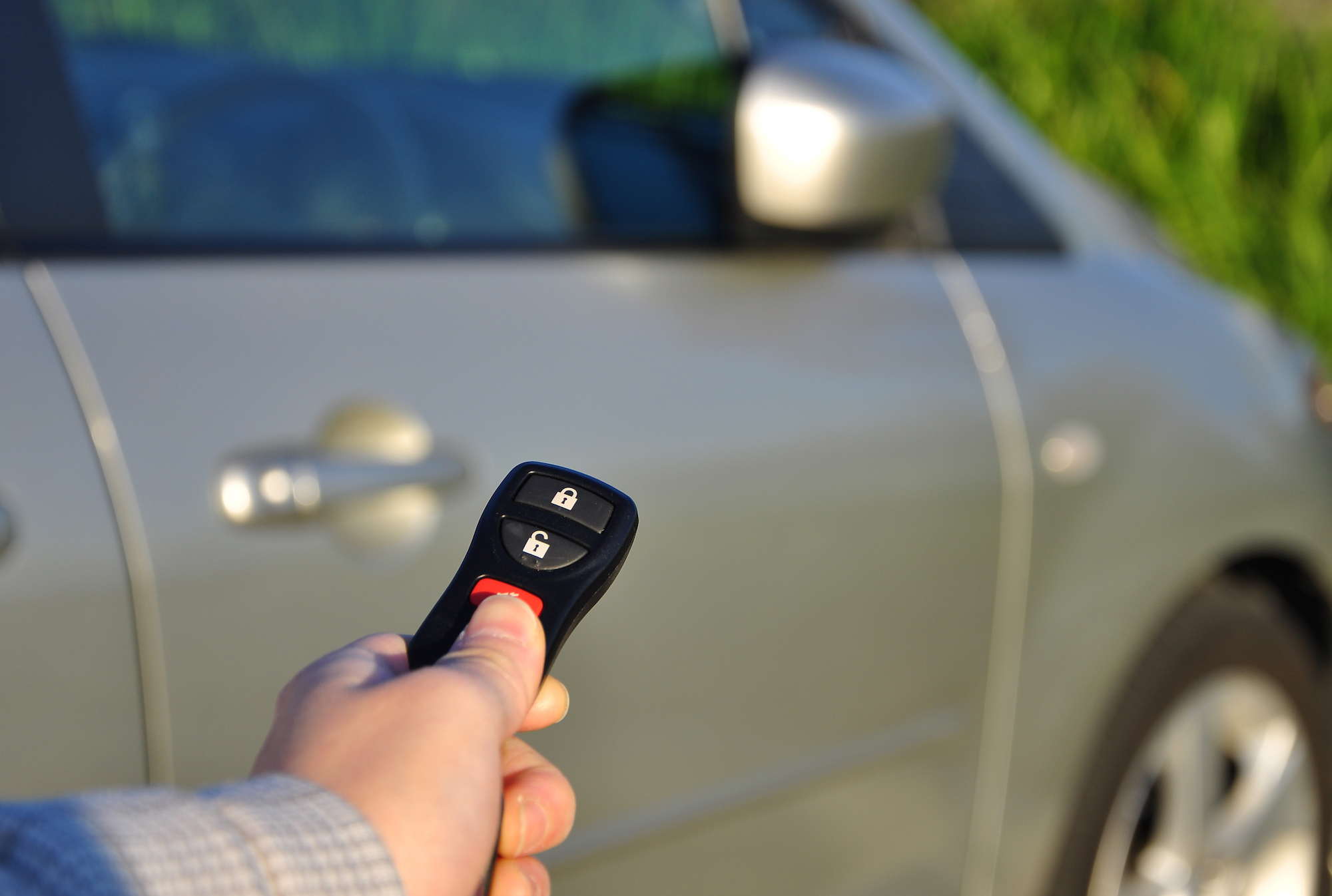
A keyless entry system is one that involves the use of a fob that emits a signal that can be detected by your car once you are within a certain range of the vehicle. This signal unlocks the doors and allows you to start the engine all without the use of a traditional key. This signal is what thieves will manipulate in order to gain entry into your car and drive away within a matter of minutes. They do this by using a relay amplifier and transmitter to target cars that are parked close to their owner’s house, where they can be sure the key or fob will be. While one person stands next to the car holding the transmitter, another walks around the house holding the amplifier. When the fob comes within a certain range of the amplifier, it will detect the signal and transfer it to the transmitter. The transmitter can now act as the key to the car and open it silently and quickly. As keyless entry cars become more affordable and therefore more commonplace, manufacturers are now looking at ways of making keyless entry systems more secure against thefts, by making them resistant to relay attacks.
Once a vehicle has been stolen, it is often shipped abroad where it might be sold on or dismantled for its parts. Therefore, police only have a matter of hours to recover the vehicle once it has been taken which is why a high proportion of stolen cars are never returned to their owners.
How To Prevent Keyless Car Theft
Even though your car is locked automatically once you walk away with your fob, double check that it is locked properly. Once inside your home, store your keys well away from any walls and windows, as this will make it harder for thieves to pick up any signals on their relay amplifier.
The relay device will be able to pick up signals through windows, doors and walls however it is unable to get through metal. A good idea is to get a metal container to store your keys in when not in use – you can even store them in your microwave! There is also a range of signal blocking key pouches available online for a small price, called Faraday pouches, that will act as a barrier between your keys and the amplifier.
Some vehicle fobs can be switched off when not in use, sometimes requiring a double press of a button to activate this function. Check to see if this is the case for yours.
Take additional security measures to make it harder for thieves to get away with your car. If you have a steering wheel lock or driveway parking post in place, it is usually enough to deter thieves who will then try to target a more accessible car. You can also get a tracking device installed in your vehicle if you do not already have one. This might not stop thieves from driving away in your car but it will considerably help the police to locate your car should it ever be stolen.
When it comes to driving, there are definite things that we know we should and shouldn’t do legally, such as wearing a seatbelt, stick to speed limits and not park on double yellow lines. However, some things are less clear-cut and there are a number of common driving habits, that can actually get you into trouble with the law should you get caught. Keep reading to find out what they are – you may be surprised at some of them!
Flashing your lights at other cars to give way
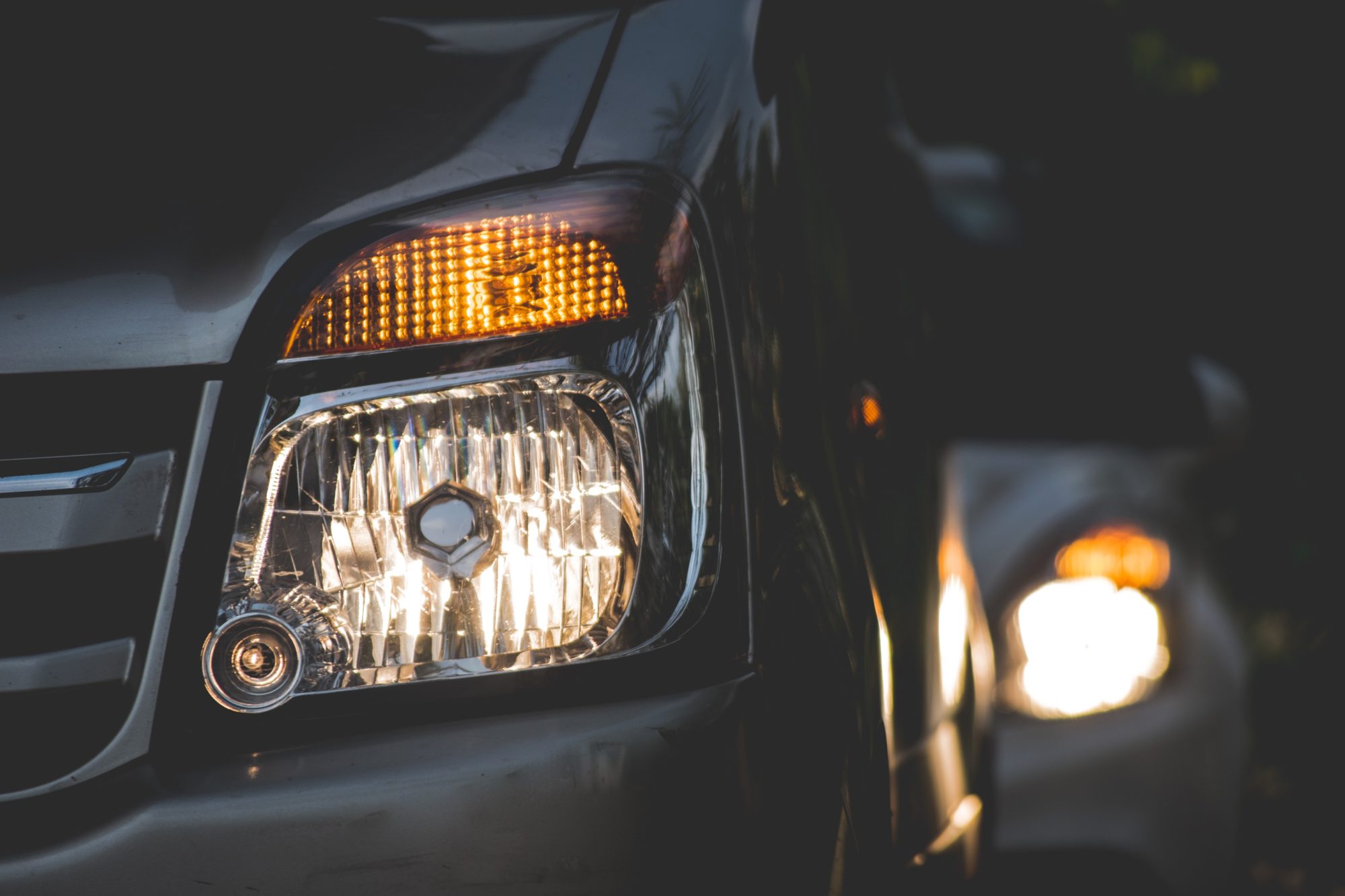
This is very common and we all do it; flashing your headlights at oncoming vehicles to let them take a right turn, emerge in front of you out of a junction when switching lanes etc. However, drivers should only be using this signal to warn others of their presence. This is because it can be unclear why you have flashed your headlights and there is a lot of room for misinterpretation so if you were to cause an incident as a result, it could be considered a driving offence.
Paying with your phone at a drive-thru restaurant
If you go to a drive-thru restaurant and pay for your food using your mobile phone through contactless payment such as Apple Pay, you are breaking the law and could be fined up to a maximum of £1000 and receive 6 penalty points on your license for doing so. This is because even if you are stationary but your engine is still on, you are still technically using your phone whilst behind the wheel. If you want to use this method of payment at the drive-thru, you must switch off your engine and have your handbrake fully applied before proceeding to do so.
Using your phone as a sat nav in an unfixed position
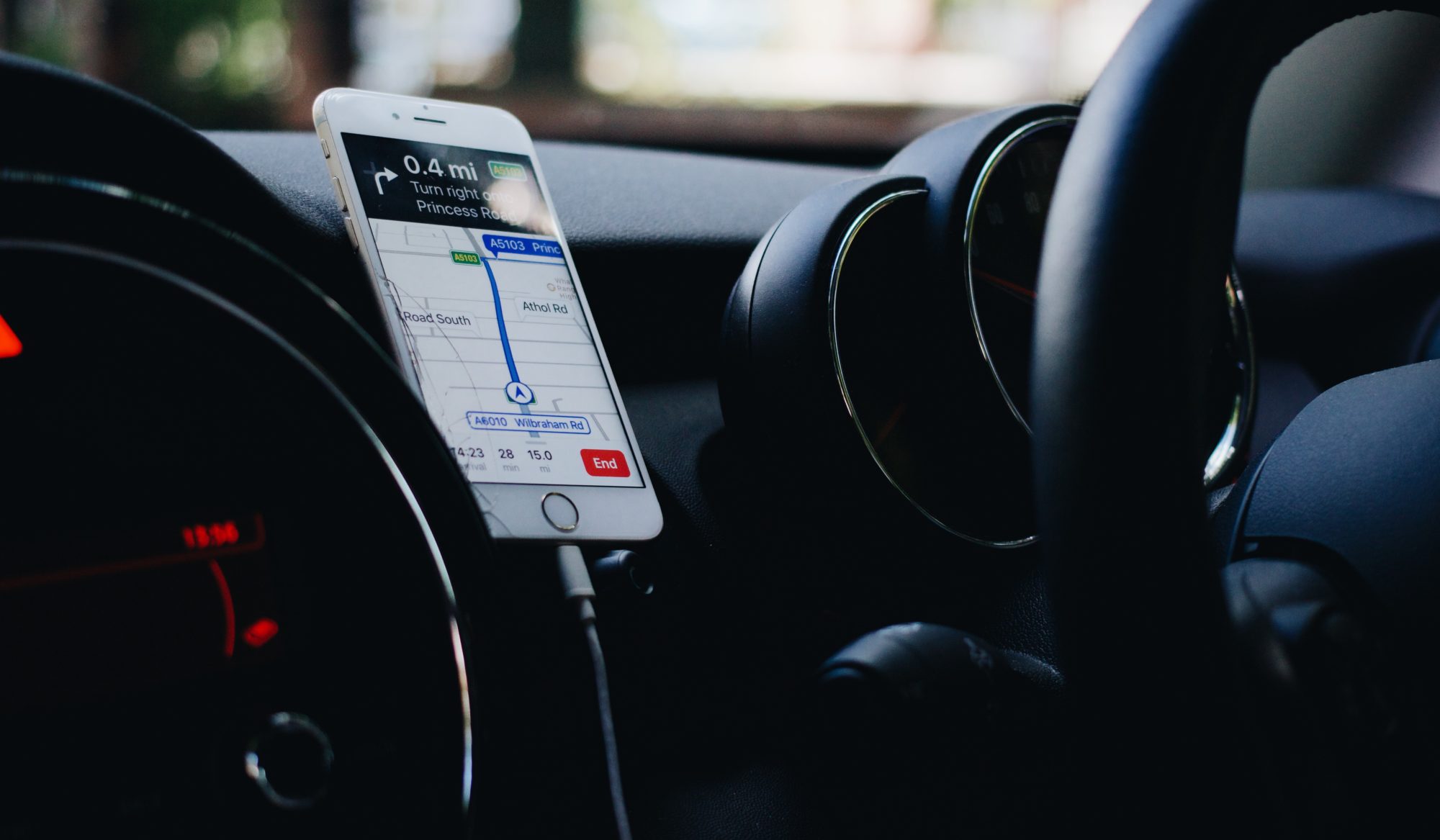
Thanks to the improvement of GPS technology on our smartphones, there are now lots of great navigation apps as well as built-in maps into most modern phones, which are great for driving. Whilst it is not illegal to use your phone as a sat nav while driving, as it is to use your phone for anything else such as calling and texting, it is against the law to have your phone in an unfixed position or in a place that is obstructing your view, if you are using it for navigation purposes. You cannot have the phone in your hand either as it must be hands-free and fixed to the windscreen or dashboard using a secure phone holder. Any breach of the mobile phone and driving laws could land you a £200 fine and up to six points on your driving license.
Sounding your horn between 11.30pm and 7am in a built-up area
Using your car’s horn between the hours of 11.30pm and 7am in a built-up area is illegal and classified as a driving offence. A ‘built-up area’ is generally a road that has streetlights and a 30mph speed limit. Whilst this is a fairly minor offence and you’re very unlikely to get caught by the police by doing so, you should still avoid doing it so as not to cause a disturbance to residents nearby.
Driving/ parking on the pavement (unless turning around in a driveway)
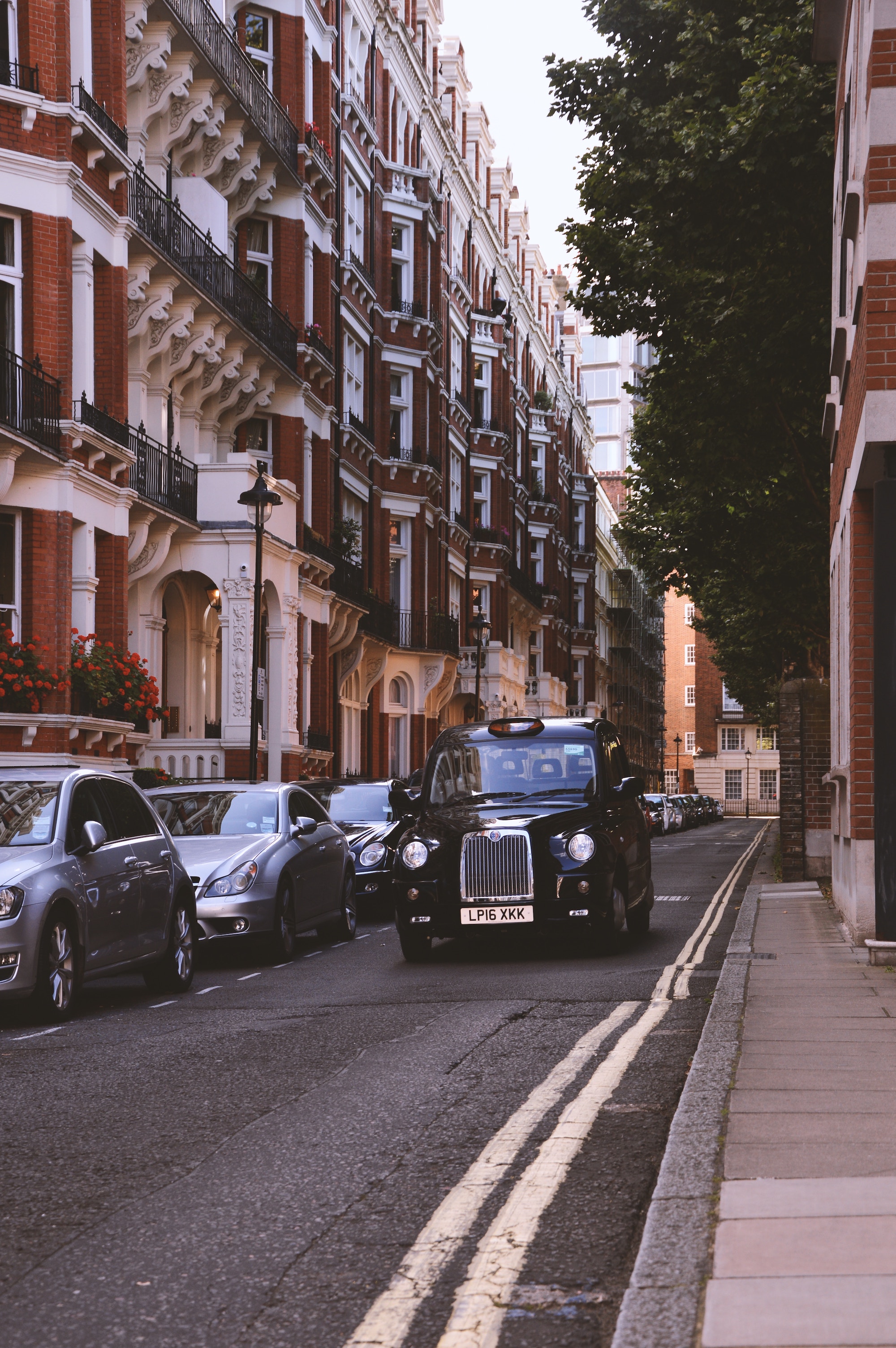
There is somewhat of a grey area in what is and what isn’t allowed when it comes to leaving your car parked partway on the pavement. In London, it is illegal to do so however in the rest of the country it depends on a couple of different factors whether this could be treated as a punishable driving offence or not. The Highway Code rule 244 states that outside of London, drivers “should not” park on the pavement “unless signs permit it” whilst rule 242 states that drivers “must not” leave their vehicles “in a dangerous position or where it causes any unnecessary obstruction of the road”. The general interpretation of these two rather unclear rules is that if you are parking on a particularly narrow road, where not parking partially on the pavement would cause a blockage or obstruction for other vehicles to get through then it is reasonable to do so. Conversely, if your car parked on the kerb would block wheelchair or pram users from walking down the pavement then you should park fully on the road or find somewhere else to park.
Parking on the wrong side of the road at night
Parking your car on a road at night, facing against the direction of traffic can be classed as a driving offence. Unless you are parked within a recognised parking space or on a one-way street then oncoming vehicles will not be able to see the red reflectors on the rear of your car that are there to warn them of your presence. Moreover, leaving the space at night with your headlights on presents a dazzling risk to oncoming vehicles and could lead to an incident. If you are caught parked on the wrong side of the road at night, you could receive a Penalty Charge Notice under rule 248 of the Highway Code.
Sleeping inside your vehicle whilst intoxicated
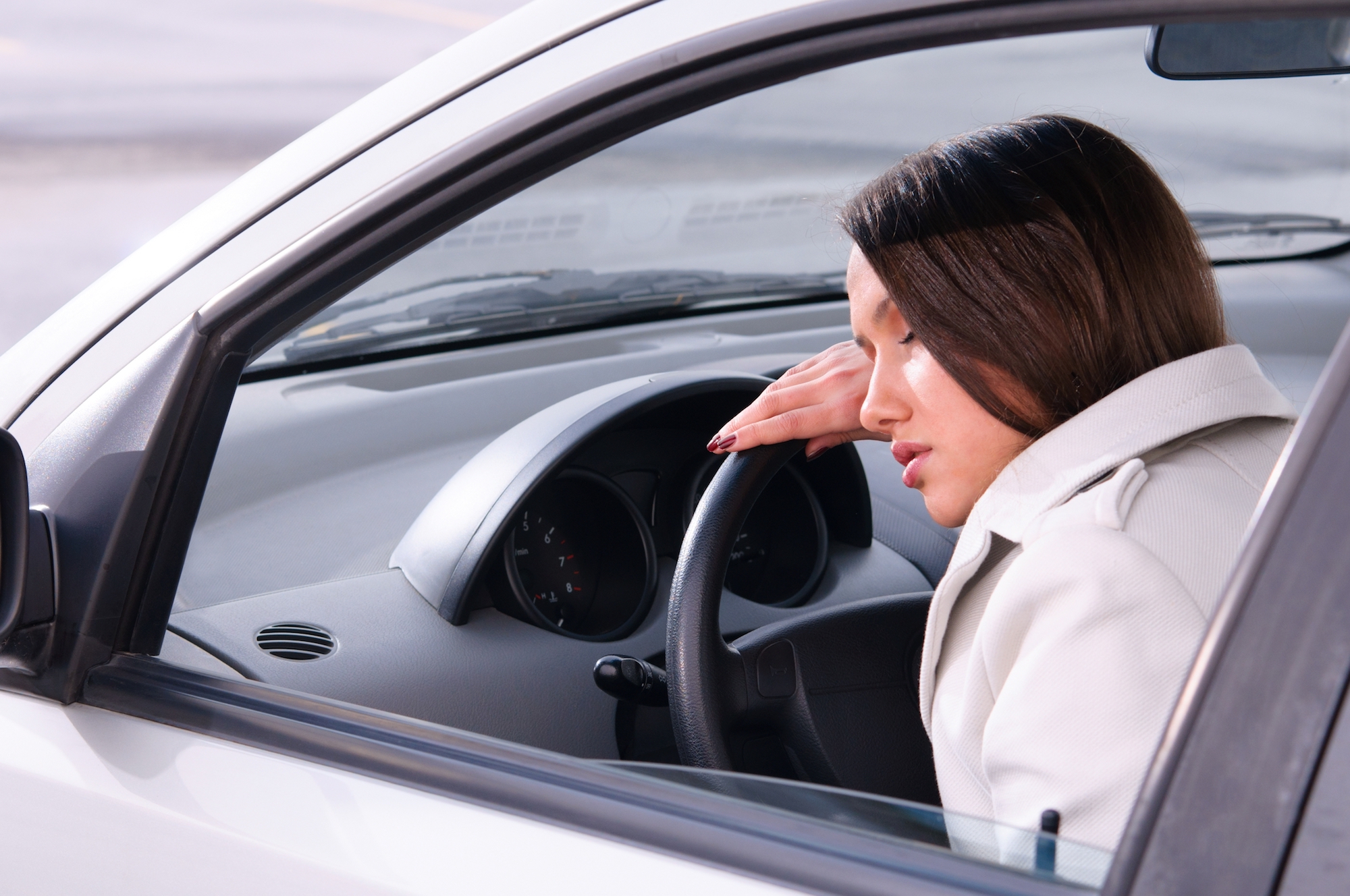
If you have had a lot to drink and are not in a fit state to drive, it is against the law to sleep inside your car whilst you wait to sober up. Even though you are not driving the car under the influence, you are still technically in charge of the vehicle and therefore at risk of facing a driving offence charge. Whilst some argue that the rules are quite ambiguous and that being asleep means you are not in control of the vehicle, this rule has been used against drivers to charge them in the past and so you should not risk it and find somewhere else to sleep.
Parking within 10 metres of a junction
It is illegal to park too close to a junction; within 32 feet / 10 metres of the junction is considered too close and could get you charged with a driving offence. Not only is it inconvenient for those approaching the junction to have to steer around the car but also it is also very dangerous for those turning into the junction, who are at risk of driving into the parked car on the wrong side of the road or into other moving cars that are obstructed from view by the parked vehicle. In some cases, parking closer to the junction is permitted if there is a marked out designated parking area however if you are unsure, it is better to find somewhere else to park.
Letting out animals from your car when broken down on the hard shoulder
If you break down whilst travelling and become stranded on the hard shoulder, the Highway Code states that all people should get out of the car however any animals are required to stay inside. This is because your animal is at risk of running into the path of traffic and causing a serious incident in which case you would be charged with a driving offence. In the case of an emergency in which it would not be safe for the animals to remain in the car, you should let them out but ensure that they are under control at all times.
Allowing your registration plate to be obscured by dirt and grime
If your cars number plate becomes so dirty that the registration number is unreadable, you are technically committing a driving offence and could be fined up to £1000 if your car is found in this condition. If you go on a particularly muddy drive, or there has been a spell of bad weather, always make sure to check that your cars number plate is clearly decipherable and no part of any of the letters or numbers has been concealed.
Out with the old and in with the new? Some of Britain’s once loved cars are now nearing extinction – check out the top ten most endangered car species below.
Ford Cortina
The Ford Cortina has gone from being one of the most common to one of the rarest models on the roads. From 4,154,902 Cortinas (of all types) produced between 1962 and 1982, there are less than 3,000 remaining.
Ford Sierra
Notable for its trailblazing aerodynamic design, The Ford Sierra was the Ford Cortina’s replacement in 1982, with 3,470,524 manufactured. Of the much-revered vehicle’s total number, less than 3,000 remains.
Vauxhall Victor
Between 1957 and 1976, 827,159 Vauxhall Victors were manufactured. At one point, the Vauxhall Victor was Britain’s most exported car with sales in the many right-hand drive markets such as the USA and Sri Lanka. Today, less than 1,000 remain on the roads.
Austin Metro
The Austin Metro was manufactured between 1980 and 1998, going by a number of different names including the MG Metro and Rover Metro. Out of the 1,518,932 manufactured, under 500 are still registered.
Morris Marina
Despite its popularity and its global presence in the 1970s, the Morris Marina has been ranked as one of the worst cars ever built. This may explain why only 200 or so remain of the 809,612 manufactured between 1971 and 1980.
Hillman Avenger Tiger
The Hillman Avenger Tiger went by around a dozen or so monikers in its various forms around the world. Of the 638,631 originally made, around 200 are still in existence.
Vauxhall Chevette
The Vauxhall Chevette was a supermini car, made by Vauxhall between 1975 and 1984, the name Chevette intending to mean a small Chevrolet. Less than 200 models remain from the 416,058 initially created.
Austin Allegro
The Austin Allegro was produced between 1973 and 1982. Save for its Italian equivalent, the Innocenti Regent, the majority of Austin Allegro’s were sold at home in the UK. From the original 642,340 less than 200 remains.
Austin Maxi
The Austin Maxi was the first five-door hatchback to be fitted with a five-speed transmission (i.e. 5 gears and 1 reverse gear) in Britain. Between 1969 and 1981, 472,098 were built of which under 140 remains.
Morris Ital
The Morris Ital was the descendant of the Morris Marina and is currently the most endangered car in the UK. Out of 175,276 less than 30 exist today.
All vehicles that are registered in the UK and are driven or kept on public roads must be taxed. Car Tax is officially known as Vehicle Excise Duty (VED) and it is sometimes referred to as road tax, although this is not strictly the same thing. VED is handled by the DVLA (Driver and Vehicle Licensing Agency) who use the money they collect on car tax each year to make improvements to the roads.
As of April 2017, new car tax rules came into effect and as of April 2018, a new rule for diesel cars was also brought in. The most recent changes to car tax were announced in The Autumn Budget of 2018/2019, which states that car tax rates for cars, vans and motorcycles will go up in accordance with RPI (Retail Price Index) from April 1st 2019.
This means that there are three different tax systems currently in use, so which one you are subject to, will depend on when your car was first registered. It is important to remember that in the case of used cars, the date on which it was registered is not always the same as the date on which you bought it.
How Car tax is calculated
All cars belong to tax bands and tax rates are determined by:
Engine size
Fuel type
Carbon dioxide emissions
The cars first registration date.
Car Tax rates for cars prior to April 2017
Cars first registered before March 2001 are part of a fairly straightforward tax system that splits vehicles into two classes of engine size – those under and those above 1549cc. This is because official data about carbon dioxide emissions generally was not available at this time so engine size was the best way to calculate rates, which are:
1549cc or below – £155 per year
Above 1549cc – £255 per year
Cars first registered between 1 March 2001 and 31 March 2017are categorised by the volume of CO2 emissions they produce. Brand new cars are subject to what is known as the “showroom tax” in their first year, after which they will take on the standard rate, which are:
The Car Tax Rules as of 2017/2018
All cars that were bought brand new on or anytime after April 1st 2017 are subject to the following conditions:
Low-emission cars are no longer exempt from car tax
A standard rate of £140 is applied to call cars excluding those with zero co2 emissions, which pay £0.
Cars costing over £40,000 will have to pay an additional £310 per year over five years, after which they will pay the standard rate depending on what type of fuel it uses.
The first year rate is based on the amount of Co2 emissions produced by your car (as of April 2018, these rates have increased). From the second year, standard rates apply.
Diesel cars first registered after April 1st 2018 that does not comply with the RDE Act 2 emission testing must pay a higher amount of tax in the first year.
Owners of “alternative fuel” cars, such as hybrids, plug-in hybrids, biofuel, compressed natural gas or liquefied petroleum gas will pay £10 less than petrol and diesel owners in the first year, after which they will pay £130 every year.
Car Tax Band
CO2 Emissions
First Year Rate
Annual Rate After First Year
A
Up to 100 g/km
£0
£0
B
101 – 110 g/km
£0
£20
C
111 – 120 g/km
£0
£30
D
121 – 130 g/km
£0
£120
E
131 – 140 g/km
£130
£140
F
141 – 150 g/km
£145
£155
G
151 – 165 g/km
£185
£195
H
166 – 175 g/km
£300
£230
I
176 – 185 g/km
£355
£250
J
186 – 200 g/km
£500
£290
K
201 – 225 g/km
£650
£315
L
226 – 255 g/km
£885
£540
M
Over 225 g/km
£1120
£555
Statutory Off Road Notification (SORN)
If your car is off the road, or you plan to take it off the road, you will be required to officially declare your car’s status to the authorities, or you will need to continue paying car tax, car insurance and have a valid MOT. To do this, you must apply for a Statutory Off Road Notification (SORN).
Once you have declared your car off the road with a SORN, you will not be able to drive or park it on a public road. It will have to be kept on private land such as your driveway or in a garage. The only exception to this rule is that you are allowed to drive it to a pre-booked MOT and you must be able to prove this is where you are going, should you get stopped by the police.
If your car is not taxed or insured and you have not declared it with a SORN, you can be fined £80.
If you have any outstanding tax or insurance, you can apply t the DVLA for a refund for the remaining months of tax or insurance.
If you have a SORN and would like to get your car back on the road, you must have valid car tax, insurance and an MOT before you drive it. Once you apply for car tax, your SORN is automatically voided by the DVLA.
Selling or Buying A Vehicle
When vehicles transfer hands through buying and selling, Vehicle Excise Duty does not automatically transfer with it.
Even if the car you bought still has a number of months left on its tax period, you must apply for car tax, as the new owner, before you can drive it.
If you are selling your vehicle and you have one or a number of full months left on its tax period, you are eligible for a refund for that additional time. The DVLA will automatically issue this to you, once they receive the selling or transferring a vehicle section of your V5C (your vehicle registration document) from you.
Similarly, if you buy a car that has been declared as SORN by its previous owner, you will have to apply for a new SORN from the DVLA, if you plan to keep it off the road, as you are its new owner.
Misplacing important documents can be frustrating and stressful and unfortunately, it’s all too easy to do. However, if you know what to do and where to go, it’s just as easy to replace them! Below we will take you step by step through the process of replacing important motoring documents and certificates.
Driving License
Where:GOV.UK What: You will need to provide your Government Gateway ID (this is your user ID which can be obtained at the same time if you do not already have one) and details about where you have been living for the past 3 years. You shouldn’t need to provide a photograph, as it will already be on the DVLA system although you will be notified if you are required to provide a new one. Cost to replace: £20 How long it takes: 3 weeks Additional information: If you need to make changes to any of the details on your driving license such as if you have moved address, you will also be required to complete a D1 form which can be obtained from any branch of the Post Office. This will need to be posted along with payment to the address provided on the form.
MOT Test Certificate
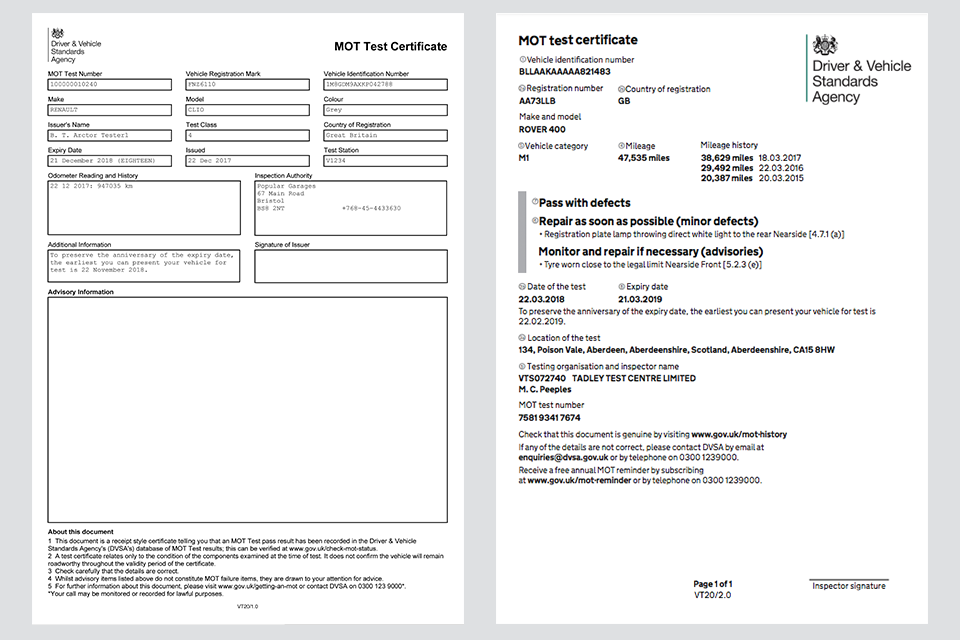
Where: Any MOT centre (it does not have to be the exact one that carried out the MOT). What:You will need to provide your vehicle registration and your V5C log book reference number. Cost to replace: A maximum of £10 How long it takes: Same day Additional information: You will receive a fixed penalty notice if your MOT is expired and you have been driving your car, however, it is fine to drive whilst waiting for a replacement certificate and your MOT is still valid. If the police stop you, they can check your MOT status via the Vehicle and Operator Services Agency database.
Log Book (V5C)
Where:You can apply for a new logbook via phone, post or at a Post Office. If your name, home address or vehicle details have changed you will have to apply via post. What:If applying via post, you will need to download and fill in an application form (V62) and send it to the DVLA along with the payment. Cost to replace:£25 How long it takes:Applications by phone will take up to 5 days to be processed whilst postal applications can take up to 6 weeks. Additional information: If you did not receive a V5C with your new car, you will need to apply for one by filling out the V62 and post it to the DVLA along with the green New Keepers Details part of your V5C that you were given when you bought the vehicle (if you don’t have this you will have to pay £25). This can take up to 6 weeks to process.
Ahead of the Ultra Low Emission Zone expansion in 2021, the Mayor of London, Sadiq Khan has announced plans for a £25million scrappage scheme, aimed at helping low income car owners switch to greener alternatives. This applies particularly to those that own older and especially diesel-fuelled vehicles.
What is the Ultra Low Emission Zone?
The Ultra Low Emission Zone in London will come into effect this April, replacing the 2017 Toxicity charge of £10 for cars built before 2005 driving in Central London. The new zone will initially encompass the existing congestion charge zone, however, it will be expanded in 2021 in order to incorporate the inner London area enclosed by the North and South Circular roads. The implementation of the Ultra Low Emission Zone will mean that diesel cars that do not meet Euro 6 emission standards and petrol cars that do not meet Euro 4 emission standards will have to pay a daily tariff of £12.50 to drive within the zone. It will operate all year long, 24 hours a day and will be added to the existing congestion charge. An estimated 2.5 million cars will be affected by the new charge once the zone has been expanded, however, it is anticipated to cut harmful emissions in the congestion charge zone by 45% by 2020.
Euro 6 Emission Standards: Your car was registered on or after 1st September 2015 / the model was approved on or after 1st September 2014.
Euro 4 Emission Standards: Your car was registered on or after 1st January 2006 / the model was approved on or after 1st January 2005.
London Scrappage Scheme
As part of the #LoveCleanAir campaign, city leaders are calling on the UK Government to set significant clean air objectives, proposing that the Government provides a £1.5 billion fund for a national vehicle upgrading scheme, in addition to making the World Health Organization suggested air pollution limits a legal requirement, to be achieved by 2030.
At the National Clean Air Summit last week, Sadiq Khan announced his plans to launch a £25million scheme aimed at helping businesses and residents of London scrap their older, more polluting vehicles in favour of more efficient alternatives.
Speaking on the impetuses for the scheme, the Mayor said, “Our country’s filthy air is a national disgrace that shortens lives, damages our lungs and severely impacts our NHS.”
The proposed £25million fund will be added onto the £23million being put towards a scheme launched in December 2018 that aims to incentivise businesses that operate in the ULEZ with ten or fewer employees, scrap their vans that do not meet the Euro 6 standards. This means that a total of £48million is going towards helping those that would otherwise be unable to afford it, upgrade to cleaner vehicles. This final budget will be presented to the London Assembly on 25th February and with approval, the scheme could be rolled out later this year.
Car Manufacturer scrappage schemes
A number of car manufacturers are also operating their own internal upgrade scheme to encourage customers to swap out their diesel cars for low emission alternatives. The car you are trading in must meet the Euro 1 – 4 emission standards. The following manufacturers are offering the following schemes:
Manufacturer
Offer
Trade in qualifications
Models eligible on offer
Hyundai
Up to £4000 off a new vehicle
Car must have been registered before 01/10/2011 and meet Euro 5 standards or less
i10 1.0; i20; ix20; i30; i30 N Line; i40; Tuscon; Santa Fe; Ioniq Hybrid; Kona
Kia
Up to £3000 off a new vehicle
Car must have been registered before 31/03/2012, and meet Euro 5 standards or less
Picanto; Stonic; Niro
Mazda
Up to £6000 off any Mazda model that emits less than 136g/km of CO2
Car must have been registered before 31/03/2012 and meet Euro 5 standards or less
motorly is a credit broker, not a finance partner. Rates start from 6.9% APR. The rate you are offered will depend on your individual circumstances. Representative Example: Borrowing £5,500 over 48 months with a representative APR of 22.9% the amount payable would be £287 a month, with a total cost of credit of £1406 and a total amount payable of £6906.
Toyota
Up to £2500 off a new vehicle
Car must be more than seven years old and you must have owned it for at minimum of 6 months.