

How Does PCP Work on an SUV? (And Why Many Buyers Choose HP Instead)
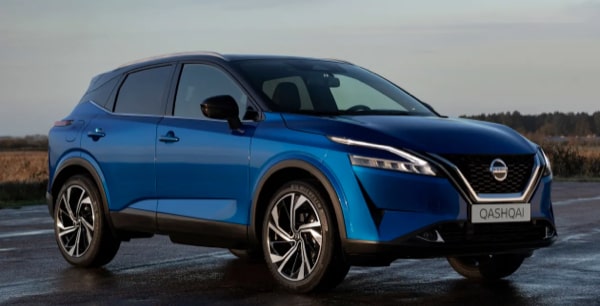
PCP is everywhere in SUV advertising. Lower monthly payments, glossy dealer boards, big finance offers.
On the surface, it looks simple.
But for many SUV buyers, PCP only feels simple at the start — not at the end. In this guide, we’ll explain exactly how PCP works on an SUV in plain English, where people get caught out, and why Hire Purchase (HP) is often the more straightforward option.
If you’re comparing models, you can explore available SUV car finance options here.
What Is PCP? The Simple Version
PCP stands for Personal Contract Purchase. It’s a type of car finance where you pay:
- A deposit upfront
- Monthly payments
- An optional final “balloon” payment if you want to keep the SUV
The key idea is this: with PCP, you’re mainly paying for the depreciation of the SUV, not the full price.
In simple terms:
- Deposit: The upfront amount you contribute.
- Monthly payments: The cost of the value the SUV is expected to lose, plus interest.
- Balloon payment: A large final amount you pay if you decide to keep the vehicle.
That balloon payment is agreed at the start. It isn’t a surprise — but it is a big decision waiting for you at the end.
How PCP Works on an SUV: Step by Step (Real Example)
Let’s use a realistic example: a Kia Sportage priced at £28,000.
Step 1: Deposit
You might put down £3,000. Sometimes manufacturers offer deposit contributions, depending on the deal.
Step 2: Predicted End Value
The lender estimates what the SUV will be worth at the end of the agreement. This is called the Guaranteed Minimum Future Value (GMFV).
In this example, let’s say it’s £14,000.
Step 3: You Finance the Gap
You are effectively financing the difference between the price and the predicted future value.
Step 4: End-of-Term Choice
After 48 months, you choose to:
- Hand the SUV back
- Pay the balloon and keep it
- Part-exchange into another deal
PCP Example Breakdown
| Item | Example | What it means |
|---|---|---|
| Car price | £28,000 | Full cost of the SUV |
| Deposit | £3,000 | Upfront amount you pay |
| Balloon (GMFV) | £14,000 | Final payment if you want to own it |
| Amount financed monthly (before interest) | £11,000 | The “depreciation” portion |
Monthly payments are lower because you are not repaying the full £28,000.
If you’d rather avoid a large final payment and simply own the SUV once payments end, HP is usually the more straightforward route.
Check HP payments on your chosen SUV (soft check)

What Happens at the End of an SUV PCP?
Option 1: Hand It Back
You return the SUV and walk away, provided:
- You stayed within your mileage allowance
- The vehicle meets “fair wear and tear” standards
Go over your mileage and you may face excess mileage charges. Minor scuffs and wear are allowed, but damage beyond guidelines can trigger additional fees.
Option 2: Pay the Balloon and Keep It
If you want to own the SUV, you pay the agreed final amount. In our example, that’s £14,000.
If you don’t have that cash available, you may need to refinance it.
With HP, there is no balloon. When the final instalment is made, the SUV is simply yours.
Option 3: Part-Exchange
If the SUV is worth more than the balloon, you may have “equity” to put towards your next vehicle.
But market values change. Equity is not guaranteed.
The SUV-Specific PCP Problems
1) Mileage Limits vs Real SUV Life
Most PCP agreements assume around 8,000 to 10,000 miles per year.
But SUVs are often used for:
- School runs
- Family holidays
- Commuting
- Weekend trips
- Dog walks and outdoor life
Mileage can creep up quickly. Go 3,000 miles over at 8p per mile, and that’s £240 extra.
With HP, there are no mileage limits. You drive as much as you like.
2) Condition Checks and Practical Use
SUVs live practical lives. Boots get used. Alloys get kerbed. Rear seats get marked.
PCP return standards can feel stressful if you’ve genuinely used the vehicle as intended.
With HP, there is no return inspection because you keep the SUV.
3) The Balloon Decision
At the end of PCP, you must make a financial decision.
If your circumstances have changed, that decision can feel pressured.
HP removes that uncertainty. Final payment made. Ownership complete.

PCP vs HP for an SUV: Plain English Comparison
| Feature | PCP | HP |
|---|---|---|
| End result | Ownership optional | Ownership guaranteed |
| Monthly payments | Often lower | Often slightly higher |
| Mileage limits | Yes | No limits |
| Condition rules | Yes | No return inspection |
| Balloon payment | Yes | No balloon |
| Best for | Frequent car changers | SUV buyers who want certainty |
For a deeper breakdown, see our full PCP vs HP guide.
Is HP the Better Option for Your SUV?
HP is usually better if you:
- Drive average to high mileage
- Have kids or pets
- Plan to keep the SUV long term
- Prefer predictable ownership
PCP might suit you if you:
- Change cars every 3–4 years
- Comfortably stay within mileage limits
- Want the lowest possible monthly payment
How to Get SUV Finance Through Motorly
Most SUV buyers choose HP because it’s simple: fixed payments, then you own it.
We also offer PCP where suitable, but HP is often the more comfortable long-term fit for practical family SUVs.
Apply for SUV HP with Motorly (soft check, decision in minutes)
FAQs
Is PCP or HP cheaper on an SUV?
PCP usually has lower monthly payments. HP can be simpler overall because you are paying to own the SUV outright.
Do you pay a balloon payment on HP?
No. There is no balloon payment with HP.
What happens if I go over mileage on PCP?
You may be charged a fee per mile over your agreed limit.
Can I settle HP early?
Most HP agreements allow early settlement, subject to lender terms.