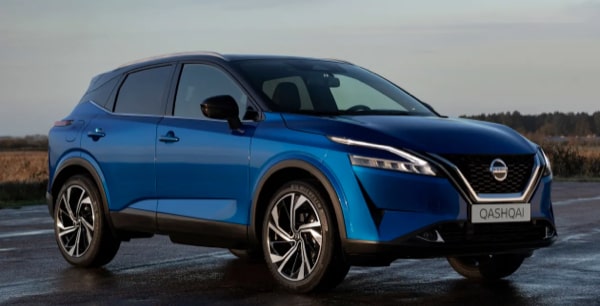
PCP is everywhere in SUV advertising. Lower monthly payments, glossy dealer boards, big finance offers.
On the surface, it looks simple.
But for many SUV buyers, PCP only feels simple at the start — not at the end. In this guide, we’ll explain exactly how PCP works on an SUV in plain English, where people get caught out, and why Hire Purchase (HP) is often the more straightforward option.
If you’re comparing models, you can explore available SUV car finance options here.
What Is PCP? The Simple Version
PCP stands for Personal Contract Purchase. It’s a type of car finance where you pay:
A deposit upfront
Monthly payments
An optional final “balloon” payment if you want to keep the SUV
The key idea is this: with PCP, you’re mainly paying for the depreciation of the SUV, not the full price.
In simple terms:
Deposit: The upfront amount you contribute.
Monthly payments: The cost of the value the SUV is expected to lose, plus interest.
Balloon payment: A large final amount you pay if you decide to keep the vehicle.
That balloon payment is agreed at the start. It isn’t a surprise — but it is a big decision waiting for you at the end.
How PCP Works on an SUV: Step by Step (Real Example)
Let’s use a realistic example: a Kia Sportage priced at £28,000.
Step 1: Deposit
You might put down £3,000. Sometimes manufacturers offer deposit contributions, depending on the deal.
Step 2: Predicted End Value
The finance partner estimates what the SUV will be worth at the end of the agreement. This is called the Guaranteed Minimum Future Value (GMFV).
In this example, let’s say it’s £14,000.
Step 3: You Finance the Gap
You are effectively financing the difference between the price and the predicted future value.
Step 4: End-of-Term Choice
After 48 months, you choose to:
Hand the SUV back
Pay the balloon and keep it
Part-exchange into another deal
PCP Example Breakdown
Item
Example
What it means
Car price
£28,000
Full cost of the SUV
Deposit
£3,000
Upfront amount you pay
Balloon (GMFV)
£14,000
Final payment if you want to own it
Amount financed monthly (before interest)
£11,000
The “depreciation” portion
Monthly payments are lower because you are not repaying the full £28,000.
If you’d rather avoid a large final payment and simply own the SUV once payments end, HP is usually the more straightforward route.
Go over your mileage and you may face excess mileage charges. Minor scuffs and wear are allowed, but damage beyond guidelines can trigger additional fees.
Option 2: Pay the Balloon and Keep It
If you want to own the SUV, you pay the agreed final amount. In our example, that’s £14,000.
If you don’t have that cash available, you may need to refinance it.
With HP, there is no balloon. When the final instalment is made, the SUV is simply yours.
Option 3: Part-Exchange
If the SUV is worth more than the balloon, you may have “equity” to put towards your next vehicle.
But market values change. Equity is not guaranteed.
The SUV-Specific PCP Problems
1) Mileage Limits vs Real SUV Life
Most PCP agreements assume around 8,000 to 10,000 miles per year.
But SUVs are often used for:
School runs
Family holidays
Commuting
Weekend trips
Dog walks and outdoor life
Mileage can creep up quickly. Go 3,000 miles over at 8p per mile, and that’s £240 extra.
With HP, there are no mileage limits. You drive as much as you like.
2) Condition Checks and Practical Use
SUVs live practical lives. Boots get used. Alloys get kerbed. Rear seats get marked.
PCP return standards can feel stressful if you’ve genuinely used the vehicle as intended.
With HP, there is no return inspection because you keep the SUV.
3) The Balloon Decision
At the end of PCP, you must make a financial decision.
If your circumstances have changed, that decision can feel pressured.
HP removes that uncertainty. Final payment made. Ownership complete.
PCP vs HP for an SUV: Plain English Comparison
Feature
PCP
HP
End result
Ownership optional
Ownership guaranteed
Monthly payments
Often lower
Often slightly higher
Mileage limits
Yes
No limits
Condition rules
Yes
No return inspection
Balloon payment
Yes
No balloon
Best for
Frequent car changers
SUV buyers who want certainty
For a deeper breakdown, see our full PCP vs HP guide.
Is HP the Better Option for Your SUV?
HP is usually better if you:
Drive average to high mileage
Have kids or pets
Plan to keep the SUV long term
Prefer predictable ownership
PCP might suit you if you:
Change cars every 3–4 years
Comfortably stay within mileage limits
Want the lowest possible monthly payment
How to Get SUV Finance Through Motorly
Most SUV buyers choose HP because it’s simple: fixed payments, then you own it.
We also offer PCP where suitable, but HP is often the more comfortable long-term fit for practical family SUVs.
PCP usually has lower monthly payments. HP can be simpler overall because you are paying to own the SUV outright.
Do you pay a balloon payment on HP?
No. There is no balloon payment with HP.
What happens if I go over mileage on PCP?
You may be charged a fee per mile over your agreed limit.
Can I settle HP early?
Most HP agreements allow early settlement, subject to finance partner terms.
Yes. You can get car finance with a CCJ on your credit file in the UK.
It’s not straightforward, and it’s definitely not the same process as someone with clean credit. Still, it is possible. What matters most is finding finance partners who actually work with ccj car finance applications, not finance partners who auto-reject based on a single marker from a couple of years ago and move on.
If you’ve already been turned down by a high-street bank, that’s frustrating, no doubt about it, but it’s not the end of the road. Specialist finance partners exist specifically for car finance ccj situations. They look at the full picture, not just a court judgment from a time when things clearly weren’t going great.
What Is a CCJ, and Why Does It Affect Car Finance?
A County Court Judgment (CCJ) is issued when a court rules that you owe money and it hasn’t been repaid as agreed. Once it’s registered, it stays on your credit file for six years, unless you pay it in full within 30 days of the judgment.
From a finance partner’s point of view, a CCJ signals risk. Not necessarily that you’re reckless or unreliable, just that something went wrong financially at some stage. Some finance partners won’t look past that at all. Others will, especially if the CCJ is older, settled, or your finances have clearly stabilised since.
In practice, the difference between rejection and approval often comes down to which type of finance partner you approach in the first place.
Can You Get Car Finance With a CCJ?
Yes, but not from every finance partner.
High-street banks and mainstream finance companies tend to rely heavily on automated systems. A CCJ gets flagged, and the application gets declined. No questions. No context. That’s just how those systems work.
Specialist finance partners work differently. They’re set up to handle car loans with ccj markers and usually assess applications based on context, not just a single event on your file. They’re more likely to approve if things like the following stack up:
The CCJ is older, 12 months or more is often easier
It’s been satisfied and paid off
Your income is stable
You haven’t missed payments recently
The key isn’t applying everywhere and hoping something sticks. That approach usually leaves you with unnecessary hard searches and very little to show for it. The key is going to finance partners who expect car finance with bad credit and ccj situations and know how to assess them properly.
What Actually Affects Approval for Car Finance With a CCJ?
Lenders don’t make decisions based on one detail alone. They look at patterns, timing, and whether the numbers make sense now.
Satisfied vs Unsatisfied CCJ
A satisfied ccj car finance application is always stronger. Paying off the judgment shows the issue was dealt with. unsatisfied ccj car finance is harder, but it isn’t automatically rejected by every finance partner, despite what you might hear.
How Recent the CCJ Is
A recent ccj car finance application will usually be looked at more cautiously. CCJs from over a year ago, particularly where credit behaviour has been clean since, are often treated more leniently.
Income & Affordability
This matters more than almost anything else. Lenders want to see that repayments are affordable based on your current income, not what you earned years ago. Stable earnings and realistic monthly payments make a real difference here.
Other Credit Issues
A single CCJ is one thing. A CCJ alongside defaults, or multiple ccj car finance situations, makes approval tougher but not impossible. You just need a finance partner willing to work with more complex histories. The same applies to ccj and defaults car finance, or more serious cases involving bankruptcy.
Most people with CCJs end up using one of these ccj car finance options:
Hire Purchase (HP): The most common route. Fixed monthly payments, and the car’s yours at the end. hire purchase car finance ccj products are widely available through specialist finance partners.
PCP: Possible in some cases, though pcp car finance ccj tends to come with stricter criteria and sometimes higher deposits.
Guarantor finance: Can help if you have someone willing to back the agreement, but guarantor car finance ccj isn’t always necessary and depends heavily on your situation.
Different finance partners favour different products. Understanding the difference early, such as hp vs pcp for bad credit, can save a surprising amount of time later.
How Long After a CCJ Can You Get Car Finance?
There’s no fixed waiting period that applies to everyone.
Some finance partners will consider applications just a few months after a CCJ. Others prefer to see at least a year, sometimes longer. When people ask how long after ccj can I get car finance, the answer usually depends on:
Whether the CCJ has been satisfied
How your credit behaviour has looked since
Your current financial stability
If you want more detail on typical timeframes, there’s a full breakdown available on how long after ccj can I get car finance.
Common Misconceptions About CCJs and Car Finance
These come up all the time, and they’re often what stop people applying when they actually have a chance.
“A CCJ means I’ll be rejected everywhere.”
No. Plenty of finance partners work specifically with ccj on credit file car finance cases.
“I need perfect credit to get approved now.”
Not true. Affordability and recent behaviour usually matter more than an old mistake.
“Checking my eligibility will damage my credit score.”
Wrong. A soft search car finance check shows what’s possible without affecting your file.
Knowing what’s actually true can save a lot of unnecessary stress.
How to Improve Your Chances of Approval With a CCJ
If you want better odds, focus on what finance partners genuinely care about:
Stable, provable income
A realistic budget, not stretching for a car you can’t comfortably afford
Sensible monthly payments relative to your earnings
Clean recent payment history, even if older issues exist
Avoiding multiple hard credit searches in a short period
There are also practical ways to improve chances of car finance approval, even with a ccj on credit file car finance showing.
Final Thoughts
Is car finance possible with a ccj? Yes.
Will a ccj stop me getting car finance? Not if you approach the right finance partner.
Does a ccj affect car finance? It does, but it’s not the only thing that matters. Your current income, affordability, and how you’ve managed money recently all play a role. What finance partners accept ccjs for car finance varies, which is exactly why specialist providers exist.
Success usually comes from matching your situation to a finance partner that’s set up for it, not from applying blindly and hoping for the best.
If you’re unsure where you stand, the simplest next step is to check eligibility without affecting your credit file. No guessing. No unnecessary risk.
Looking at car finance but wondering if you need to put money down first? It’s one of those questions that comes up all the time, and honestly, the answer might surprise you.
The truth is, while deposits can be helpful, they’re not always necessary. Let me walk you through what you actually need to know.
What exactly is a car finance deposit?
A deposit is simply money you pay upfront when you’re getting car finance. It goes towards the total cost of the car, which means you’ll need to borrow less. Sometimes this can bring your monthly payments down a bit.
Here’s what many people don’t realise though – plenty of finance partners don’t actually require a deposit at all. Some even specialise in deals where you don’t need to put anything down.
Do I definitely need one?
Not necessarily. It really depends on the type of finance you’re looking at:
With Hire Purchase (HP) or Personal Contract Purchase (PCP) deals, you’ll often see deposits mentioned, but they’re not always compulsory. No-deposit car finance is actually pretty common these days, especially if you go through brokers who work with finance partners that focus more on whether you can afford the monthly payments rather than how much you’ve saved up.
If you don’t put down a deposit, your monthly payments will probably be a bit higher, but that’s often manageable depending on your budget.
Why would I bother with a deposit then?
Fair question. If you’ve got some cash available, there are a few reasons why you might want to use it:
Your monthly payments will be lower since you’re borrowing less money. It can also help with getting approved, as it shows you’re serious about the purchase. In some cases, you might pay less interest overall too.
But don’t worry if you haven’t got anything saved up – loads of people get car finance without putting money down first.
What if I genuinely can’t afford a deposit?
You’ve still got options. At Motorly, we work with finance partners who offer finance without requiring any upfront payment. It’s designed for exactly this situation.
You’ll still need to pass the usual credit and affordability checks, and your monthly payments might be slightly higher, but the focus is on your income and credit history rather than your savings account.
How to improve your chances without a deposit
If you’re going down the no-deposit route, here are a few things that can help:
Work out what you can realistically afford each month before you start looking. Check your credit score so you know where you stand – some finance partners are more flexible than others. Think carefully about which car you choose – something that holds its value well and isn’t too expensive can make approval easier.
If you’re concerned about your credit or income, adding a guarantor might be worth considering. And honestly, working with a broker like us can make the whole process much smoother since we can match you with the right finance partners for your situation.
The bottom line
While having a deposit can be useful, it’s definitely not essential. Whether you’ve been saving up or you’re starting from scratch, there are still plenty of ways to get the car finance you need.
The key is finding the right deal for your circumstances and budget.
Ready to see what’s available to you? You can check your eligibility in just a few minutes – no deposit options required and it won’t affect your credit score.
If you’re thinking about getting a new car, you’ve probably come across two main options: leasing or buying. On the surface, they can look pretty similar, you pay monthly, drive away in a nice vehicle, and get on with your life. But dig a little deeper, and the differences really start to matter.
The truth is, the right choice depends on how long you want to keep the car, how much flexibility you need, and whether you want to own it at the end. In this guide, we’ll break it all down in plain English, no jargon, no pressure, so you can make the decision that actually fits your life.
What Does Leasing a Car Involve?
Leasing is basically like renting a car for a few years. You agree to a fixed monthly cost for a set period (usually 2–4 years), stick to a mileage limit, and hand the car back at the end.
It’s often called Personal Contract Hire (PCH) in the UK. You never own the car. It’s always the leasing company’s. You’re just paying to use it.
Leasing works well for people who:
Always want a brand-new car
Drive fairly predictable mileage
Don’t want the hassle of selling or part-exchanging
But there are catches. If you go over your mileage limit or the car has damage beyond ‘fair wear and tear,’ you’ll be charged. And because you don’t own the car, you can’t make any changes or upgrades to it.
What Does Financing a Car Mean?
Financing is a way to spread the cost of a car over time — but unlike leasing, there’s usually an option to own the car at the end.
There are two common types:
Hire Purchase (HP): You pay monthly, and once the final payment is made, the car is yours.
Personal Contract Purchase (PCP): You pay lower monthly payments, then decide at the end whether to hand the car back, trade it in, or make a final payment to buy it.
This route works well if:
You’d like to keep the car long-term
You want flexibility in what happens at the end
You don’t want to worry about mileage limits or customisation
Lease vs Buy – A Quick Comparison
Let’s break down the key differences.
Ownership: When you lease a car, you never own it. You’re essentially renting it for a fixed period. With car finance, ownership is possible. If you choose Hire Purchase (HP), the car becomes yours once all payments are made. With Personal Contract Purchase (PCP), you have the option to buy the car at the end by making a final payment.
Mileage limits: Leasing agreements usually come with strict mileage limits. Go over them, and you’ll pay extra. PCP finance deals also tend to have mileage restrictions, but they’re more flexible. If you go with HP, there are typically no mileage limits at all, since you’re working toward full ownership.
Customisation: Leased cars need to be returned in good condition and as close to factory standard as possible, which means no modifications. When you finance a car, especially with HP, you’re free to personalise it however you like.
Monthly payments: Leasing often comes with lower monthly payments, especially in the short term. Finance payments can be higher, particularly if you’re aiming to own the car outright, but they’re building towards something more valuable.
End-of-term options: With leasing, your only option at the end is to return the car. With car finance, you usually have choices: you can keep the car, part-exchange it, or return it (depending on the type of agreement).
Long-term value: Leasing gives you no long-term asset. You hand the car back and start again. Financing, on the other hand, gives you the potential for ownership. Once it’s paid off, the car is yours, and you can keep it or sell it on.
Pros and Cons of Leasing
Pros:
Lower monthly payments
No worries about resale
New car every few years
Cons:
No ownership — you’re just renting
Mileage limits and extra charges
Can’t modify or personalise the car
Not ideal if your plans change suddenly
Pros and Cons of Financing
Pros:
Option to own the car
More freedom and flexibility
No extra fees for mileage or wear
You can sell or trade in whenever you want
Cons:
Monthly payments can be higher
You’re responsible for selling or trading if you move on
You might need a deposit upfront
Which Option Is Better for You?
Leasing can be tempting, especially if you love the idea of always driving something new. And if you’re happy to treat your car like a rental, it can work fine.
But if you’re planning to keep the car for more than a couple of years, or if you want more control over how you use it, buying starts to make more sense.
And that brings us to something important.
Why Buying (Through Car Finance) Might Be the Smarter Choice
Here’s the thing: owning a car gives you freedom.
You can drive as far as you like. You can sell it, part-exchange it, or keep it running for years. You can fit roof racks, add baby seats, change the stereo, whatever suits your life.
There’s no “you’ve exceeded your mileage” fee. No “you’ll need to pay for that scratch” surprise. No handback inspection stress.
Buying through finance spreads the cost in a manageable way, but still gives you the benefits of ownership. And by the time you’ve finished paying it off, the car’s yours to keep, sell, or do what you like with.
If you’re in your 30s, 40s or 50s and want a reliable car that fits your life, buying, not leasing, is often the better long-term decision.
Want to Explore Your Finance Options?
At Motorly, we help you find the right finance deal without the confusion. No sales jargon. No pressure. Just helpful people and tools to make getting a car feel simple again.
If you’re currently receiving Universal Credit or other government benefits, you might be wondering: can I still get car finance? It’s a common concern. The answer is yes, it is possible.
While receiving benefits can affect your application, many finance partners today are more focused on affordability and reliability of income rather than just whether you’re in full-time employment. In this guide, we’ll explain how car finance works if you’re on benefits, what finance partners are looking for, and how to give yourself the best chance of approval.
Is It Possible to Get Car Finance While on Benefits?
Yes, but it depends on the finance partner and your personal circumstances.
Some mainstream finance partners may have stricter rules, but specialist finance partners are more flexible. These companies often work with people who are self-employed, on part-time income, or receiving support such as:
Universal Credit
Personal Independence Payment (PIP)
Employment and Support Allowance (ESA)
Disability Living Allowance (DLA)
Pension or Carer’s Allowance
The key question is whether you can afford the repayments.
What Car Finance Companies Look For
When assessing your application, finance partners will consider:
Total income: including benefits, pensions, or part-time wages
Regularity of payments: consistent income is more important than the source
Credit history: including any missed payments, defaults, or CCJs
Monthly outgoings: your spending vs income balance
Address stability: how often you’ve moved in recent years
Existing debt: high debt levels can be a red flag
It’s important to be honest when applying. Lenders will do their checks, and transparency helps ensure you’re matched to suitable options.
How to Improve Your Chances
Even if you’re not in traditional employment, there are a few ways to boost your chances of being accepted:
Save for a small deposit: this shows commitment and reduces the finance partner’s risk
Use a guarantor: someone with stronger credit who agrees to back your loan
Check your credit report: and correct any mistakes before applying
Avoid recent payday loans: as these can negatively impact your application
Choose a realistic car: lower value cars with lower repayments are more likely to be approved
Be cautious with “no credit check” or “instant approval” offers. These can come with extremely high interest rates and hidden fees. Always read the small print.
Frequently Asked Questions
Will applying affect my credit score? Not at first. Using a site like Motorly to check your eligibility only performs a soft search – this doesn’t affect your credit score. A full application might involve a hard search, but you’ll be notified beforehand.
Can I apply if I’ve been declined elsewhere? Yes. Many people come to Motorly after being turned down by mainstream finance partners. We work with a panel of finance providers, some of whom specialise in helping people with less conventional circumstances.
Being on Universal Credit or other benefits doesn’t mean car finance is out of reach. Lenders are increasingly looking at your whole financial picture, not just your job title. If you have stable income and manageable outgoings, there’s a good chance you’ll find a finance partner who can help.
At Motorly, we make the process easy by matching you with trusted finance providers who understand real-world circumstances. There’s no upfront cost to check, and no obligation to proceed if it’s not right for you.
If you’re applying for car finance, you may be tempted to make several applications to increase your chances of approval. But did you know this approach could harm your credit score and reduce your chances of success?
In this guide, you’ll learn:
How multiple car finance applications affect your credit.
How many applications are considered safe.
Smart ways to apply without damaging your credit.
Why Multiple Car Finance Applications Can Hurt Your Credit Score
Every time you apply for car finance, the finance partner usually performs what’s called a hard credit check. This kind of check stays visible on your credit report.
Why does this matter?
When finance partners see multiple hard credit checks within a short period, they get cautious. It suggests you’re desperate for credit, which finance partners interpret as a sign of financial difficulty.
Each hard check slightly reduces your credit score. Too many in quick succession can significantly lower it, making future approvals harder and potentially more expensive due to higher interest rates.
How Many Applications Is Too Many?
Generally, applying for car finance more than two or three times within a short period (around three to six months) can negatively impact your credit score.
A good rule to follow:
1–2 applications within six months is typically acceptable.
3 or more applications in a few months raises a red flag to finance partners and can reduce your chances.
Every rejected application is recorded and visible to future finance partners. That’s why applying carefully matters.
Smart Ways to Apply for Car Finance Without Hurting Your Credit
Here’s how to approach your car finance application strategically and safely:
Use Eligibility Checkers (Soft Credit Checks)
Always use a car finance eligibility checker first. These tools run a soft credit check, which won’t impact your credit score at all. Eligibility checkers give you an indication of your chances of approval before you formally apply.
This helps you:
See which finance partners are likely to approve your application.
Avoid unnecessary credit damage from multiple applications.
Motorly provides a safe and quick eligibility checker.
If you’re rejected, avoid immediately applying elsewhere. Wait at least 2–3 months before making another application. During this waiting period:
Check your credit report for errors or issues.
Work on improving your financial situation.
Waiting allows your credit profile to recover slightly and demonstrates responsible behaviour to future finance partners.
Choose the Right Lender
Different finance partners have different criteria. Mainstream finance partners might reject applicants with lower credit scores. But specialist finance partners are often more flexible and can help even if you’ve been declined before.
Applying smartly means targeting finance partners most likely to approve your specific credit profile.
What to Do If You’ve Already Made Multiple Applications
Already applied multiple times unsuccessfully? Don’t panic. Follow these clear steps to get back on track:
Stop applying temporarily: Give your credit score time to recover.
Check your credit report: Get free reports from Experian, Equifax, or TransUnion. Look for mistakes and dispute them if found.
Pay off or reduce existing debts: Even small debt reductions can boost your credit score.
Avoid new credit products: Don’t apply for credit cards or loans in the short term to give your credit profile time to stabilise.
Taking these steps can help your credit profile recover and improve your chances when you next apply.
How to Improve Your Chances Before Reapplying
Before applying again, take positive steps to improve your credit score:
Pay all your bills on time: Missed or late payments have a negative impact.
Lower your credit utilisation: Try to use less than 30% of your available credit.
Get on the electoral roll: Registering to vote helps finance partners verify your identity, boosting your creditworthiness.
Correct errors promptly: Removing inaccurate information from your credit report can quickly improve your score.
Applying multiple times for car finance in a short period is risky. It can significantly lower your credit score and reduce your chances of securing finance.
Instead, take a smarter approach:
Use soft-check eligibility tools to safely gauge your chances.
Space out applications and give your credit score recovery time.
Work proactively to improve your credit score between applications.
Consider specialist finance partners who can offer finance suited to your financial profile.
By applying strategically, you’ll maximise your chances of approval, protect your credit score, and secure better finance deals.
Thinking about selling your car but still owe money on it? You’re not alone – and yes, it is possible. But there are some important rules to follow.
Here’s what you need to know
Can You Sell a Car With Outstanding Finance?
If you bought your car on finance, you don’t legally own it until the last payment is made. The finance company does. So you can’t just sell it without clearing the finance first.
Trying to sell a financed car without sorting the finance can land you in legal trouble. But if you follow the right steps, it’s completely doable.
How to Sell a Car on Finance (The Right Way)
1. Ask for a Settlement Figure
Contact your finance provider and ask for a settlement figure. This is the total amount you need to pay to clear your finance. It’s usually valid for 10 to 30 days.
2. Pay Off the Finance
You have two options:
Pay the settlement figure using your own money
Use the buyer’s payment to clear the finance directly
If you’re selling privately and using the buyer’s money to pay the finance, be upfront. It’s best to call the finance partner and pay it off while the buyer is there.
3. Get Written Confirmation
Once the finance is paid, ask your finance partner for a letter confirming the debt is settled. This shows the car is legally yours to sell.
4. Now You Can Sell
With the finance cleared and proof in hand, you’re free to sell the car—either privately or through a dealer.
Can You Trade in a Financed Car?
Yes. In fact, it’s often easier.
Dealerships handle this all the time. They’ll:
Contact your finance partner for the settlement figure
Pay off the finance as part of the trade-in
Use any leftover value as a deposit for your next car
If your car is worth less than what you owe, you’ll need to cover the difference or roll it into your new finance deal. Ask the dealer to explain your options clearly.
Risks of Selling a Financed Car Privately
Selling privately can sometimes get you a better price, but it comes with a few risks:
Buyers may be wary. Many won’t touch a car with outstanding finance.
You’re legally responsible. Selling a car you don’t own can cause serious problems.
The process is more complex. You need to handle finance settlement and the sale at the same time.
To stay safe, always settle the finance first.
What If You Can’t Afford the Settlement?
If you’re looking to sell because you’re struggling financially, don’t panic. You have options:
Speak to your finance partner. They might offer lower payments or extend your agreement.
Refinance. Another finance partner might give you better terms.
Trade down. Switch to a cheaper car and roll over the balance.
Just don’t ignore it or try to sell illegally. Being upfront leads to better outcomes.
Final thoughts – Selling a Financed Car
You can sell a financed car—just follow the steps:
Get your settlement figure
Pay off the finance
Get proof from your finance partner
Then sell or trade in your car
If you’re short on options, talk to your finance partner or look at refinancing.
Need help finding a better car finance deal? Motorly can help.
As your car finance agreement comes to an end, it’s normal to wonder what happens next. You might feel unsure whether you should keep your car, return it, or trade it in for a newer model.
Fortunately, you have several straightforward options. Knowing these can help you make an informed decision that matches your finances and personal circumstances.
In this guide, you’ll learn:
The main options available at the end of your finance agreement.
What to consider before choosing your next step.
Clear actions to take as your finance deal nears its end.
Understand Your Car Finance Agreement Type
The options available depend on your car finance type. Here’s a quick refresher:
Hire Purchase (HP) Once your final payment is made, you own the car outright. There’s no balloon payment, and your obligations end once the final monthly payment clears.
Personal Contract Purchase (PCP) At the end of PCP, you have three options:
Pay the final balloon payment to own the car.
Return the car and walk away.
Trade the car for a new finance deal.
Personal Loan If you used a personal loan, you own the car as soon as your final payment is complete. There’s no further payment or action required.
Understanding your finance type helps you clearly see which options are available.
Your Main Options at the End of Car Finance
Depending on your finance agreement, you’ll generally face three possible options:
Option 1: Keep the Car
Keeping your current car is straightforward if you’re happy with it.
With HP or Personal Loan: You own the car automatically after your final payment.
With PCP: You must pay a balloon payment to own the vehicle outright. Check this amount carefully, as it can be substantial.
Option 2: Return the Car
With PCP agreements, you can simply hand the car back to the dealer at the end of the contract.
To return the car:
You must have kept within the agreed mileage limits.
The vehicle needs to be in good condition, minus reasonable wear and tear.
You avoid the balloon payment entirely.
This option suits you if you no longer need the car, want to avoid a large final payment, or plan to switch to a different vehicle.
Option 3: Trade-in or Upgrade
If you’d prefer a newer or different vehicle, trading in your existing car is a convenient choice:
Your current car’s value (after finance) goes towards your next deal.
You can often arrange a new finance agreement simultaneously.
It can provide flexibility and an easy upgrade path.
This option is popular for drivers who regularly update their cars or whose needs have changed.
Things to Consider Before Making Your Decision
Choosing the right option depends on several practical factors. Consider:
Your car’s market value: If it’s higher than the balloon payment, keeping or selling your car privately could be beneficial.
Vehicle condition and mileage: If mileage is above the agreed limit or the car is damaged, returning it might incur additional charges.
Affordability of the final payment: Be honest about whether you can comfortably afford the balloon payment without financial stress.
Your future needs: Think carefully about whether the car still suits your lifestyle or if an upgrade or change is necessary.
Taking time to reflect ensures you choose the best solution for your personal circumstances.
Next Steps to Take When Your Finance Ends
To avoid surprises, start taking these practical steps 2–3 months before your agreement ends:
Contact your finance partner early: Ask clearly about the final payment amount, process, and available options.
Check your car’s market value: Use online valuation tools or dealer quotes to gauge whether keeping or returning the car makes sense.
Review your credit report: If considering a new finance agreement, make sure your credit score is healthy to secure good terms.
Explore finance options early: Compare new deals carefully to ensure you get the best possible rates.
If you’re unsure about your options or eligibility for new finance, consider using a specialist finance broker.
Sometimes the final balloon payment on PCP agreements can be higher than expected. If this payment becomes unaffordable, don’t panic—you have several solutions:
Refinance your balloon payment: Another finance partner may offer affordable monthly repayments instead of one large payment.
Discuss flexible terms with your current finance partner: They may offer an extended payment plan or restructuring options.
Trade the car in: You can use the equity (if available) towards another car with a more manageable finance deal.
Taking proactive steps can reduce financial stress and keep you in control.
End of Car Finance—Your Next Steps
As your finance deal ends, remember your three main options clearly:
Keep your car by paying the final payment (or automatically with HP/personal loans).
Return your vehicle if it suits your circumstances (mainly PCP agreements).
Trade-in or upgrade your vehicle if you prefer something newer or different.
Be proactive:
Assess affordability.
Understand your car’s market value.
Contact finance partners early.
Check new finance options in advance.
By planning ahead, you can transition smoothly into your next financial decision.
Once you’ve secured car finance, your next priority is making sure payments are managed effectively. Keeping up with repayments not only helps you avoid stress, but it also protects your credit score and financial stability.
But life happens, and it’s easy to worry about meeting these monthly commitments. The good news is that with careful planning, managing car finance payments can be straightforward.
This guide provides six practical tips to help you stay on track, avoid missed payments, and enjoy financial peace of mind.
Set Up Automatic Payments
One of the easiest ways to avoid missing car finance payments is to set up an automatic payment (direct debit).
When you pay automatically each month, you don’t have to remember due dates. Payments are always on time, and you’ll gradually improve your credit score.
Here’s what you should do:
Set your direct debit date close to payday.
Regularly check your bank account to ensure there are enough funds.
If your payday changes, adjust the payment date accordingly.
Automatic payments mean less stress and fewer chances of costly missed-payment fees.
Budget Clearly and Honestly
A clear, realistic budget is the foundation of successful financial management. Knowing exactly what you earn and spend each month makes managing car finance repayments much simpler.
Here’s how to budget effectively:
Write down your monthly income.
List all regular expenses (rent/mortgage, bills, groceries, fuel, entertainment).
Clearly mark your car finance payment as essential—never optional.
Look for expenses you could cut or reduce.
Once your budget is clear, you’ll quickly see how affordable your repayments really are. If they’re tight, it’s a sign to make spending adjustments elsewhere.
Build an Emergency Fund
Even the best plans sometimes go off track. Job losses, illness, or unexpected car repairs can create financial strain. Building a small emergency fund can help you manage unexpected costs without affecting your repayments.
Aim to save enough to cover at least 2–3 months of car finance payments. Even small regular contributions add up over time.
Simple steps to create an emergency fund:
Open a dedicated savings account for emergencies.
Set up automatic monthly transfers—even small amounts help.
If you receive unexpected money, like a tax refund, put it straight into your emergency fund.
An emergency fund reduces financial anxiety and provides a safety net, making your car finance repayments easier to manage.
Communicate with Your Lender if You’re Struggling
If your finances change suddenly and payments become difficult, don’t avoid your finance partner. Ignoring the problem could lead to late fees, default notices, or even repossession.
Lenders appreciate honesty. Most will offer practical help if you’re upfront about your situation. Solutions they might offer include:
Temporary payment breaks or reduced payments.
Extending your loan term to lower monthly costs.
A short-term repayment plan until your situation improves.
Contact your finance partner as soon as you realise there’s a problem. Early communication makes finding solutions much simpler and reduces long-term financial consequences.
Regularly Review Your Expenses
Over time, it’s easy for unnecessary costs to creep into your budget. Subscription services you rarely use, higher-priced utility bills, or overspending on non-essentials can silently drain your finances.
Every few months, take a fresh look at your expenses:
Cancel subscriptions or memberships you no longer use.
Check for cheaper utility, broadband, or mobile providers.
Reduce discretionary spending (such as takeaways or impulse purchases).
Reducing even a few small costs can free up extra money each month, giving you more breathing room for your car finance repayments.
Make Extra Payments When Possible
If your finances improve, or you receive unexpected money, consider making extra payments toward your car finance loan. Even occasional extra payments can help significantly.
The benefits include:
Paying off your loan quicker.
Reducing the total interest you pay.
Improving your credit score and financial stability.
Before making extra payments, confirm with your finance partner whether they charge early repayment fees. Many finance partners allow extra payments without penalties.
Simple ways to pay extra:
Allocate yearly bonuses, tax refunds, or overtime earnings toward your loan.
Slightly increase monthly payments if your budget comfortably allows it.
Making extra payments reduces your debt faster and gives you peace of mind.
Managing your car finance repayments doesn’t have to feel overwhelming. Following these six tips will help you take control of your finances, keep your payments affordable, and build financial confidence:
Set up automatic payments to avoid missed payments.
Budget honestly and clearly—prioritising car repayments as essential.
Build a small emergency fund to prepare for unexpected costs.
Always communicate with your finance partner early if problems arise.
Regularly review your expenses and reduce unnecessary spending.
Make extra payments whenever possible to pay off your loan sooner.
Taking these proactive steps ensures your car finance stays manageable and helps build a strong credit profile.
Check your eligibility now to see specialist finance partners who can help you – Check Now.