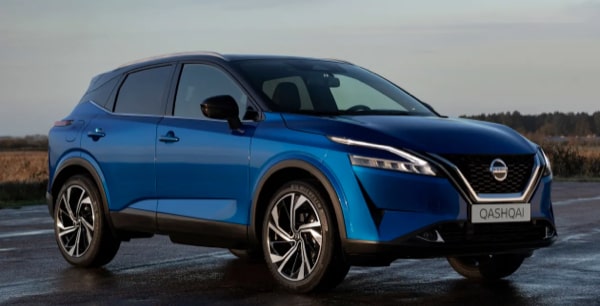
There is no minimum credit score for SUV finance in the UK – and no score that rules it out entirely. Lenders use your credit file, your income and your overall affordability picture together, not a simple pass or fail on a number. This guide explains what credit score finance partners are looking for, what options exist if yours is less than perfect, and what you can do to improve your chances before you apply.
How credit scores work for car finance in the UK
The UK has three main credit reference agencies: Experian, Equifax and TransUnion. Each uses its own scoring scale. Experian runs from 0 to 1,250, Equifax from 0 to 1,000 and TransUnion from 0 to 710. The same person will have a different score from each agency depending on which finance partners report to which bureau – so there is no single universal number.
Car finance finance partners pull data from one or more of these agencies, but they do not use the consumer-facing score directly. They run your file through their own internal models, which weigh different factors in different ways. A score that looks strong on Experian’s scale does not automatically translate to approval at the best rates from every finance partner. Equally, a lower score does not mean automatic rejection.
The factors that typically matter most to finance partners are payment history (missed payments, defaults and CCJs), credit utilisation, length of credit history, recent hard searches on your file, and whether you are registered on the electoral roll at your current address.
The practical upshot: your credit score is one input into a finance partner’s decision, not the whole picture. Income, employment status and affordability carry significant weight alongside it.
Note: Credit reference agencies update their scoring scales and band thresholds periodically. The ranges shown in this guide reflect the current published scales at the time of writing – always check directly with Experian, Equifax or TransUnion for the most up-to-date figures.
What different credit profiles mean for SUV finance
Rather than a precise score threshold, it is more useful to think about where you sit on a spectrum from excellent to poor credit – and what each level typically means for your approval chances and the rates available to you.
At this level, most mainstream finance partners will want your business. You are likely to be offered the representative APR or close to it – typically in the 6–12% range for HP on a used SUV via a broker panel. On a new SUV, manufacturer finance deals sometimes offer 0% or near-0% promotional rates to applicants with strong credit histories. Approval is usually straightforward provided your income comfortably supports the monthly payment.
Good credit (Experian 861–1,120, Equifax 531–810, TransUnion 566–627)
Still strong territory. Most finance partners will consider your application and you should receive competitive offers, even if not the very best headline rate. APR in the 9–18% range on HP is typical from a broker panel. Approval is generally straightforward for reasonable loan amounts on sensibly priced vehicles.
This is where outcomes become more variable. Some mainstream finance partners will decline at this level; others will approve at higher rates. Going through a broker is significantly more useful here than applying direct to a single finance partner, because your application goes to multiple finance partners simultaneously rather than living or dying on one decision. APRs in the 18–30% range are common in this bracket, which does affect your monthly payment relative to the headline rates you see advertised.
Poor credit or adverse history (defaults, CCJs, missed payments)
Approval is still possible. There is a functioning subprime car finance market in the UK for exactly this situation. Lenders who specialise in this space assess applications on the full picture – income stability, employment type, time elapsed since adverse events and the severity of those events. A CCJ from five years ago is treated quite differently to one from six months ago. APRs can be high in this bracket – 30–49.9% is common – and monthly payments reflect that. See our bad credit car finance guide for more detail on the options available.
No credit history (thin file)
A thin file is a different problem to poor credit. Lenders struggle to assess risk when there is no payment history to review. This is common for younger adults who have never borrowed, or people who have managed their finances entirely through cash and debit. Options include finance partners who specialise in thin-file applicants, guarantor finance (where a credit-worthy guarantor reduces the finance partner’s exposure) and 0 deposit finance with a guarantor arrangement.
Things that can help with a thin file application:
Being registered on the electoral roll at your current address
Stable, verifiable income
Choosing a lower-cost used SUV to keep the loan amount modest
Putting down a deposit, even a small one, to reduce the finance partner’s exposure
Building credit history before applying through a credit builder card used responsibly
If the timeline allows, six to twelve months of responsible credit card use before applying can meaningfully shift your options.
What else do finance partners look at beyond your credit score?
Your credit score is one part of the decision. Lenders are required under FCA rules to carry out affordability checks, and a strong score does not override a weak affordability picture.
Affordability is the monthly payment relative to your income after existing outgoings. There is no universal minimum income threshold – finance partners use their own models – but if the repayment would stretch your finances significantly, that is reflected in the decision regardless of your score.
Employment status also matters. Permanent employment is viewed most favourably by most mainstream finance partners. Self-employed applicants, those on zero-hours contracts and those receiving benefits income are all accepted by finance partners in the market – just not all finance partners. Motorly’s panel includes finance partners who cover each of these situations.
Finally, the number of recent credit applications matters. Multiple hard searches on your file in a short period lower your score and signal to finance partners that you may be struggling to obtain credit. Using a broker with a soft search at the quote stage – as Motorly does – avoids this problem entirely.
How to improve your credit score before applying for SUV finance
If your credit file is less than perfect, there are practical steps you can take before applying. Some have an immediate effect; others take a few months to show up.
Register on the electoral roll at your current address if you are not already. This is free, takes minutes and has a direct positive effect on your score across all three credit agencies.
Check your credit file for errors. Incorrect information – wrong addresses, accounts that are not yours, settled debts still showing as outstanding – is more common than most people expect and can be disputed directly with the relevant credit reference agency. You are legally entitled to a correction if the information is wrong.
Reduce your credit utilisation if you can. If your credit card balance is sitting close to its limit, paying it down (even partially) raises your score. Lenders view high utilisation as a sign of financial stress.
Avoid making multiple finance applications at once. Every hard search leaves a mark on your file. If you apply to five finance partners individually and are declined by each, you have taken five score hits in quick succession. A broker approach with a single soft check at the quote stage sidesteps this entirely.
Consider a credit builder card if you have a thin file. A low-limit card used for small regular purchases and paid off in full each month demonstrates responsible borrowing behaviour and builds your history over six to twelve months. The key is paying it off in full – carrying a balance adds to your utilisation and costs you interest.
Allow time to elapse after adverse events. Defaults and CCJs have less and less impact on finance partner decisions as they age. The shift at three years is significant for many finance partners, and at six years adverse entries drop off your credit file entirely.
Ready to see what SUV finance you could get? Get a personalised quote – decision from our finance partner panel, not just one provider.
Can I get SUV finance with a CCJ?
Yes. A CCJ does not automatically prevent you from getting car finance, and it is one of the most commonly searched questions in this area because many people assume otherwise.
Whether the CCJ has been satisfied (paid) matters to finance partners. An unsatisfied CCJ – one where the debt has not been paid – is viewed more unfavourably than one that has been settled, even if both are on your file.
Time elapsed since the CCJ is significant. A CCJ registered in the last twelve months limits your options considerably more than one from four or five years ago. Many specialist finance partners apply their own thresholds – some will consider applications with CCJs over two years old; others require three years.
A larger deposit improves approval chances on CCJ applications. It reduces the amount the finance partner is financing and reduces their exposure if things go wrong. Even a 10–15% deposit can meaningfully shift the approval picture for a borderline application.
Motorly’s panel includes finance partners who specifically accept applications with CCJ history. See our bad credit car finance page for more on how this works.
Should I do a soft search or hard search when applying?
This is a distinction a lot of people are not aware of, and it matters – particularly if you are concerned about what an SUV finance credit check might do to your score.
A soft search does not affect your credit score and is not visible to other finance partners reviewing your file. Most reputable brokers and some finance partners offer a soft search at the eligibility or quote stage – it lets them give you an indicative decision without leaving a mark on your file.
A hard search is recorded on your credit file and is visible to future finance partners. It temporarily reduces your score. Hard searches happen when you formally apply for credit and a finance partner pulls your full file – not during a quote check.
Motorly uses a soft check at the quote stage. Checking what you could borrow, seeing personalised rates and reviewing your options does not affect your credit score. A hard search only happens when you choose to accept an offer and formally proceed with an application.
How to apply for SUV finance with Motorly
Getting a quote takes a few minutes and does not affect your credit score.
Tell us about yourself – your income, employment and the vehicle you are looking for.
We run a soft search and match your application to our panel of finance partners, including specialist finance partners for bad credit, thin files and CCJ applicants.
Review the offers returned and choose the one that works for you. You can buy from any FCA-authorised dealer in the UK.
Apply for SUV finance – soft check only, panel of finance partners including specialist bad credit options.
Credit score and SUV finance FAQs
What credit score do I need for car finance in the UK?
There is no minimum credit score required for car finance in the UK. Lenders assess your full credit file alongside your income and affordability, and options exist across a wide range of credit profiles – from excellent credit to applicants with defaults or CCJs. The score affects the rates available to you and the number of finance partners willing to approve your application, but there is no hard floor.
Can I get SUV finance with a 500 credit score?
It depends on which agency the score comes from. On Experian’s 0–1,250 scale, 500 sits in the low range. On TransUnion’s 0–710 scale, it falls in the fair bracket. On Equifax’s 0–1,000 scale, it is below their fair threshold. In all cases options are more limited at this level, but specialist finance partners may still consider your application if the finance is affordable and your recent payment history is stable.
Can I get SUV finance with a 600 credit score?
Again, the answer depends on which agency you are looking at. On Experian’s 0–1,250 scale, 600 sits in the low-to-fair range. On TransUnion’s 0–710 scale, it falls in the fair bracket and is closer to good territory. On Equifax’s 0–1,000 scale, it sits just above their poor threshold. At this level mainstream finance partners may be limited, but specialist finance partners will consider your application. The APR offered is likely to be higher than the representative rates advertised, and a deposit will strengthen your position.
Does applying for car finance hurt my credit score?
A hard search – the type that happens when you formally apply for credit – does temporarily reduce your score. However, a soft search at the quote stage does not affect your score at all. Motorly uses a soft check when you request a quote, so checking your eligibility and seeing personalised rates carries no risk to your credit file.
Can I get SUV finance with a CCJ?
Yes – a CCJ does not automatically rule out finance. Whether it has been satisfied, how old it is and how much it was for all affect your options. See the dedicated CCJ section above for the full picture, including how a deposit can strengthen a borderline application.
What is a soft search and why does it matter?
A soft search checks your eligibility without leaving a mark on your credit file or affecting your score. A hard search does – and multiple hard searches in a short period can reduce your score further. See the soft search section above for a full explanation of the difference and why it matters before you apply.
Can I get car finance on benefits?
Some finance partners accept benefits income as part of an affordability assessment, including Universal Credit, PIP and disability-related benefits. Not all mainstream finance partners accept benefits income, but specialist finance partners in Motorly’s panel do. Approval depends on the overall affordability picture – the monthly payment relative to your total income.
How long do defaults stay on my credit file?
Defaults remain on your credit file for six years from the date of the default, regardless of whether the debt has since been paid. After six years the entry drops off entirely. The impact of a default on finance partner decisions diminishes over time – most finance partners treat defaults that are more than three years old more favourably than recent ones.
What is the difference between a soft search and pre-approval?
A soft search tells you whether you are likely to be accepted based on your credit profile, without committing you or the finance partner to anything. Pre-approval is a conditional offer from a specific finance partner, usually following a soft search, which converts to a formal agreement after a hard search and document verification. Motorly’s quote stage uses a soft search to show you personalised options from multiple finance partners before you decide whether to proceed.
Is it better to apply for a cheaper SUV if I have bad credit?
In many cases, yes. A cheaper used SUV means borrowing less, which reduces the monthly payment and lowers the finance partner’s risk. Used HP is often a more realistic route for applicants with poor or mixed credit than financing a more expensive new vehicle on PCP. Keeping the loan amount sensible relative to your income gives your application the best chance.
Yes, and it is more common than most people expect. Plenty of finance partners offer 0 deposit SUV finance on both new and used cars, approval does not require a perfect credit history, and the extra monthly cost compared to putting money down is usually smaller than the headlines suggest.
The trade-off is real, though. Borrow the full purchase price and you will pay more interest over the agreement. This guide gives you the numbers clearly, explains which SUVs make the most sense on no deposit options finance, and helps you work out whether it is the right call for your situation.
What does no deposit options SUV finance actually mean?
SUV finance without a deposit means taking out a finance agreement on a car without paying anything upfront as a cash contribution. On a standard HP or PCP agreement, your deposit reduces the amount you borrow. Put down 10% on a £15,000 SUV and you finance £13,500. With zero deposit SUV finance, you borrow the whole £15,000 instead, which means higher monthly payments and more interest paid over the life of the agreement.
It is also worth clearing up a common source of confusion: no deposit options is not the same thing as 0% APR. You can have 0 deposit SUV finance with interest, where you put nothing down but still pay finance charges on the full amount borrowed. Or you can have a deposit with 0% APR, where you pay upfront but no interest is charged. One saves you upfront cash. The other saves you interest. When this guide refers to no deposit options SUV finance, it means agreements with no upfront payment, where interest does apply.
If you are comparing offers, always check both the deposit requirement and the APR rather than either one in isolation.
Is 0 deposit SUV finance easy to get approved for?
It is a standard product rather than a niche exception, and many finance partners offer it as a matter of course. Whether you can get SUV finance with no deposit options, and on what terms, depends on your circumstances.
Good credit makes it easier
If you have a strong credit history, steady income and a clean recent payment record, finance partners are generally comfortable offering no deposit options car finance on an SUV. You have shown that you can handle credit responsibly and that the monthly payments are affordable within your budget.
It can still be possible with credit issues
If your credit is less than perfect, SUV finance without a deposit is still possible, but the pool of willing finance partners is smaller. Because the finance partner is funding the full value of the car with no upfront contribution reducing their exposure, they will look more closely at missed payments, defaults or CCJs, current debt levels and income stability before making a decision. In that situation, even a small deposit of £200 to £500 can improve your approval chances and the rate you are offered.
Income and stability carry more weight on 0 deposit deals
Beyond your credit file, finance partners assess whether the monthly payment is affordable for your budget. Your income, employment status, housing costs and existing credit commitments all feed into that calculation. Using a broker panel helps here: instead of a single finance partner’s appetite determining the outcome, your application goes to multiple finance partners with different criteria, which tends to produce better results than going direct, particularly if your profile is anything other than clean.
How much more does no deposit options SUV finance cost?
This is the question that matters most. The short answer: more than a deposited agreement, but usually less than people assume. Here are two worked examples with the numbers laid out clearly.
Example 1: Used Nissan Qashqai at £12,000 (48 months, 12.9% APR)
10% deposit
0 deposit
Difference
Upfront cost
£1,200
£0
n/a
Amount financed
£10,800
£12,000
£1,200 more
Monthly payment
~£289
~£321
~£32/month more
Total repayable
~£15,072
~£15,408
~£336 more overall
Example 2: New Dacia Duster at £18,000 (48 months, 9.9% APR)
10% deposit
0 deposit
Difference
Upfront cost
£1,800
£0
n/a
Amount financed
£16,200
£18,000
£1,800 more
Monthly payment
~£410
~£456
~£46/month more
Total repayable
~£21,480
~£21,888
~£408 more overall
As both examples show, SUV finance with no deposit options typically adds £25 to £45 per month and between £300 and £500 to the total cost at these price points. The exact figures depend on the car price, APR and term. Both examples use representative rates and your actual rate will depend on your credit profile and the finance partner’s assessment.
For most buyers, the monthly difference is not the deciding factor. The real question is whether keeping your savings intact is worth paying more interest overall. For some that is an easy yes. For others, especially where credit is marginal and a deposit would unlock a better rate, the maths tips the other way.
When you are looking at an SUV on finance with no deposit options, purchase price does most of the work. The lower the car’s value, the more affordable the monthly payment when you are borrowing the full amount. These are the models worth looking at, with a note on who each one suits.
1. Dacia Duster (used, 2018-2023): from around £130/month HP, 0 deposit
Used prices typically start from around £8,000, which means even a full-finance agreement over 48 months stays well below £150 per month. It is not a premium car. The cabin is functional rather than refined. But it is reliable, practical and available with genuine four-wheel drive on higher trim levels. Running and insurance costs are among the lowest in the SUV segment.
Buy one if your sole priority is keeping monthly costs down and you have nothing to put upfront. Skip it if you want a comfortable motorway cruiser or a well-appointed interior.
2. MG ZS (new): from around £220/month PCP, 0 deposit
One of the cheapest new SUVs in the UK, with prices starting in the mid-to-high teens depending on trim. At that price point, no deposit options car finance on an SUV like the ZS keeps monthly payments in sensible territory. Better equipped than its price suggests, and buying new means a full manufacturer warranty with no unknowns from previous owners. MG occasionally runs low-deposit or deposit-contribution promotions worth checking at the point of application.
Buy one if you want a new car rather than used and want to avoid the higher payments that come with more expensive new SUVs without giving up modern spec.
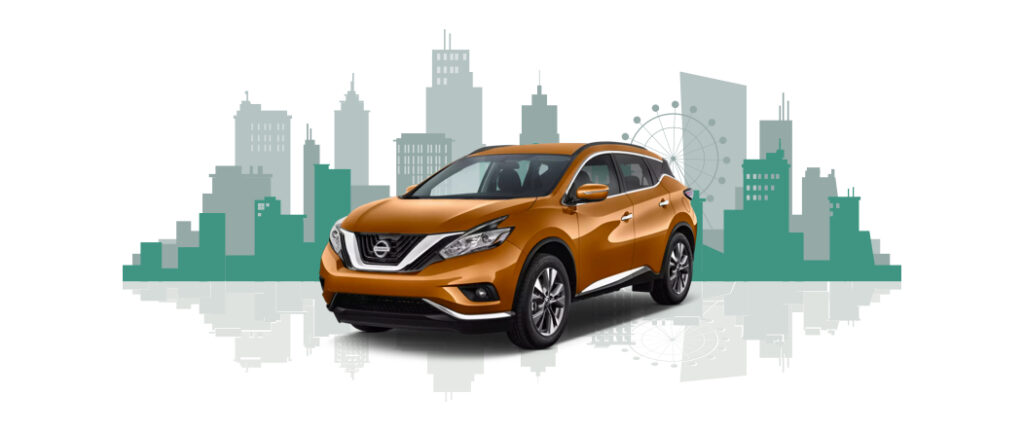
3. Nissan Qashqai (used, 2017-2020): from around £165/month HP, 0 deposit
A larger used market than almost any other SUV keeps prices competitive and gives you more choice at every budget. The Qashqai delivers the combination of space, reliability and familiarity that most family buyers want, and running costs are well understood. Monthly payments on SUV finance with no deposit options are higher than the Duster but still land in sensible territory depending on spec and mileage. See our Nissan Qashqai finance page for more detail.
Buy one if you want a proven family SUV with strong dealer support and no desire to take a chance on a less familiar name.
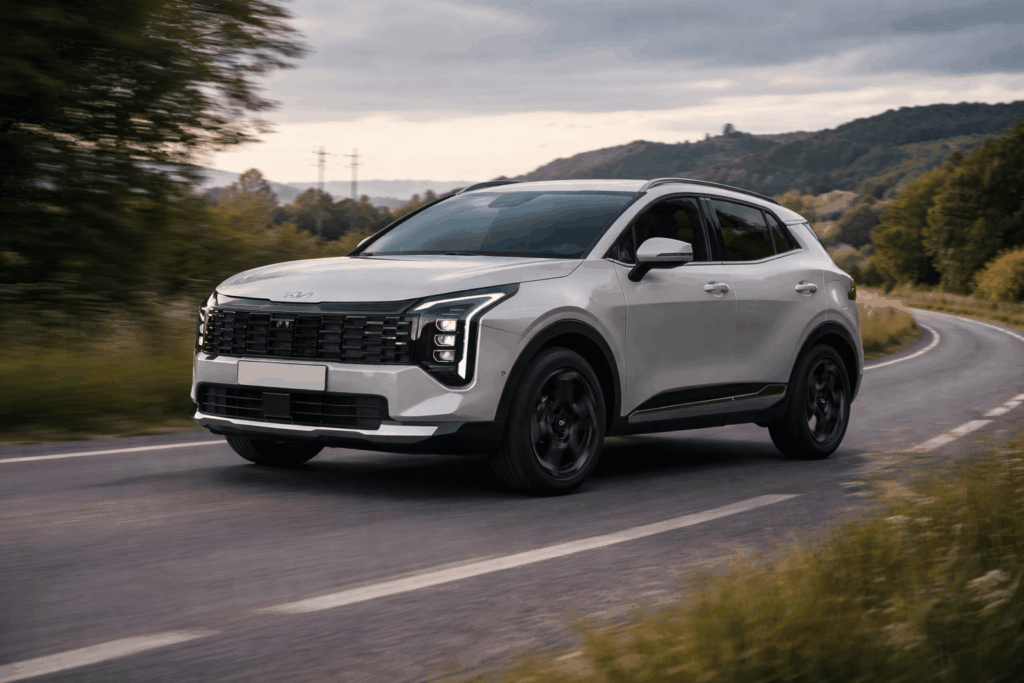
4. Kia Stonic (new): from around £240/month PCP, 0 deposit
Kia’s entry-level SUV sits at around £21,000 new, feasible on zero deposit SUV finance with a monthly payment that stays in reasonable territory. The seven-year manufacturer warranty covers the full term of a typical finance agreement and beyond, which reduces the cost uncertainty that comes with a longer commitment. Worth checking Kia’s own finance promotions, which sometimes include no-deposit options.
Buy one if you want the security of a new car with a long warranty and can absorb a slightly higher monthly payment than the used alternatives.
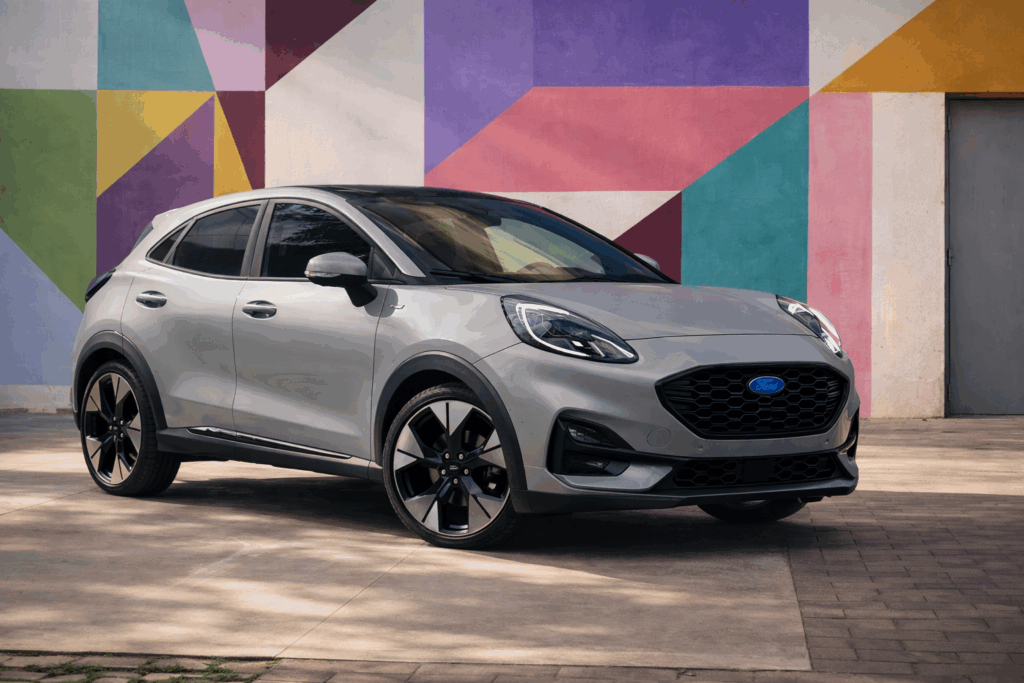
5. Ford Puma (used, 2020-2022): from around £190/month HP, 0 deposit
A used Puma from this generation typically sits in the £13,000 to £15,000 range, more expensive than the Duster but still workable on a no deposit options car finance agreement. It is one of the better compact SUVs to drive, with sharper handling and a more engaging feel than most rivals at this price. Ford’s finance arm also occasionally runs 0 deposit promotions on new stock, worth checking alongside the used market.
Buy one if you want something more driver-focused and are willing to pay a little more per month for it.
What are the alternatives to a cash deposit?
If you want SUV finance without a deposit but have something else to offer, there are a few other routes worth considering.
The most common is part exchange. If you have a car to trade in, its agreed trade-in value reduces the amount you need to finance. A car worth £2,000 in part exchange is effectively a £2,000 deposit, even if no cash changes hands. For many buyers this is the easiest way to bring monthly payments down without touching savings.
On some new SUV deals, the manufacturer contributes money towards the deposit directly. Volkswagen, Kia and Hyundai all run these schemes at various points and the saving on monthly payments can be significant even when you are not putting any cash in yourself. These offers are time-limited so they are worth checking at the point of application.
For applicants with a thin credit file, some finance partners will consider a guarantor arrangement. This is a creditworthy person who agrees to cover the payments if you cannot. Not every finance partner offers this, but it can be worth exploring if you are finding 0 deposit approval difficult to access on your own.
Is no deposit options SUV finance right for you?
The answer depends less on the product and more on your situation. Here are three common scenarios.
You have good credit and want to keep your savings. No deposit SUV finance in the UK is a simple option at this level. You will pay a little more interest overall but access competitive rates, and keeping your savings intact is a reasonable financial decision. The worked examples above give you a clear picture of what the extra cost looks like in practice.
You have credit challenges and no deposit options to put down. Getting an SUV on finance with no deposit options is still possible, but you should expect a smaller finance partner pool, a higher rate, and less room to negotiate. A modest deposit of £200 to £500 can open up noticeably better options. If you have a car to trade in, using its part-exchange value as a deposit is worth exploring before committing to a full 0 deposit agreement.
You are considering PCP with no deposit options. Bear in mind that skipping the deposit increases the balloon payment at the end of the agreement. If you plan to hand the car back that is less relevant, but if you want to own it outright or are not sure yet, HP is a simpler structure for a no deposit options deal.
How to apply for no deposit options SUV finance with Motorly
The process has three steps. First, use our online form to tell us about yourself and what you are looking for. We run a soft credit check at this stage, which does not affect your credit score and leaves no visible trace on your file. Second, we match your application to finance partners across our panel, each of whom assesses your details independently. Third, once you have an offer you are happy with, you choose a car from our network of FCA-authorised dealers across the UK and we handle the rest.
Yes, though the options are more limited than for applicants with good credit. Specialist finance partners assess the full picture, including income, employment stability and time elapsed since adverse events, rather than declining on credit score alone. A small deposit of £200 to £500 can significantly improve your chances if your credit profile is challenging. See our bad credit car finance page for more detail.
Does no deposit options finance cost more overall?
Yes. Because you are borrowing the full purchase price, you pay more interest over the life of the agreement. Based on the worked examples in this guide, the difference is typically £25 to £45 per month and £300 to £500 or more in total cost, depending on the APR and term.
What is the difference between 0 deposit and 0% APR?
They are different products. A 0 deposit deal means no upfront payment is required, but interest still applies to the full amount borrowed. A 0% APR deal means no interest is charged, but usually requires a deposit upfront. Manufacturer promotional deals are often 0% APR with a deposit, so check both figures when comparing offers.
Can I use a part exchange as a deposit?
Yes. If you have a car to trade in, its agreed trade-in value reduces the amount you need to finance. A car worth £2,000 in part exchange is effectively a £2,000 deposit, even if you pay no cash upfront.
What is the cheapest SUV I can finance with no deposit options?
The Dacia Duster is consistently the cheapest credible option for no deposit options car finance on an SUV in the UK. From around £8,000 on the used market, monthly HP payments on a 0 deposit basis start from around £130 over 48 months. See our 0 deposit SUV finance page for current options.
How much will an SUV cost per month with no deposit options?
It depends on the purchase price, interest rate and term. As a rough guide: a used SUV at £10,000 on 0 deposit HP over 48 months at around 12.9% APR works out to approximately £265 to £285 per month. A £15,000 SUV on the same basis comes to around £395 to £415 per month. The worked examples earlier in this guide cover specific models in more detail.
Can I get SUV finance without a deposit in the UK?
Yes. SUV finance without a deposit is available from a range of finance partners in the UK on both new and used cars. Approval depends on your credit profile and affordability, but it is a standard product rather than a specialist arrangement. Motorly’s panel includes finance partners who offer 0 deposit agreements across a range of credit profiles.
Used SUV finance is one of the most practical ways to get into a capable family car without paying new-car prices. You get the space, the raised driving position and the day-to-day practicality of an SUV, while avoiding the biggest hit of early depreciation.
It is not quite the same as financing a new car, though. Whether you are looking at used SUV HP, used SUV PCP or simply want to understand how second hand SUV finance works in the UK, the products available are slightly different from new, finance partner criteria can vary, and the car itself plays a bigger role in whether a deal is offered. This guide covers how it works, what finance partners look for, how much deposit you may need, which models represent strong value, and how to improve your chances of getting a deal that suits your budget.
Looking for a broader starting point? Our SUV car finance page covers the full picture.
How used SUV finance works
There are three main ways to finance a used SUV in the UK, but one of them tends to dominate.
Hire purchase (HP) is the most common finance option for used SUVs. You put down a deposit, borrow the remaining balance, then repay it in fixed monthly instalments over an agreed term — usually between 24 and 60 months. Once the final payment is made, you own the car outright. There are no mileage limits built into the finance agreement itself, no balloon payment and no handback decision at the end. The finance partner will check the car’s current age and mileage when you apply, but once the agreement is running, how far you drive is entirely your business. You are financing the car with the aim of owning it, and for most used SUV buyers that is the most straightforward route. It is also the product many finance partners prefer on older or higher-mileage stock, because the risk is easier to assess.
PCP on used is available through some franchised dealer approved-used programmes, but it is far less common than on new cars and, for most used SUV buyers, not the better option. Monthly payments can look lower because you are not repaying the full value of the car during the agreement — a larger optional final payment is deferred to the end. But finance partners typically want the car to be under five years old and under 60,000 miles at the start of the agreement, which rules out a large part of the used SUV market. And unlike HP, you will not own the car at the end unless you make that balloon payment. For used SUVs, HP is the cleaner route.
A personal loan is the third route. You borrow the full amount from a bank or finance partner and buy the car outright, then repay the loan over time. For buyers with strong credit, personal loan rates are sometimes lower than dealer finance APRs, which can make it cheaper overall. The trade-off is that you are borrowing cash rather than taking regulated vehicle finance, so the protections are slightly different.
For most used SUV buyers, HP is the product worth focusing on. The rest of this guide treats it as the default.
What finance partners look for on used SUV applications
When you apply for used SUV finance, the finance partner is looking at two things at once: you and the car.
Vehicle age and mileage. The vehicle has to fit the finance partner’s criteria as well as your affordability. Most mainstream finance partners are happy to finance used SUVs that will be up to around 10 to 12 years old by the end of the agreement, with mileage limits typically in the range of 120,000 to 150,000 miles by the end of term. A four-year-old Kia Sportage with 42,000 miles is a much easier proposition than one already sitting at 118,000. Older or higher-mileage vehicles are not impossible, but your options narrow as the risk increases.
Credit history. Used SUV finance bad credit applications are more common than you might think, and they do get approved. Good credit gives you access to more finance partners and better rates, but there are specialist finance partners for applicants with defaults, CCJs, missed payments or a patchy history. Many used SUV buyers are not walking in with perfect circumstances — some are returning to finance after a gap, some are rebuilding, and some simply need a practical family car and want a finance partner willing to look at the full picture. If that sounds familiar, our bad credit car finance page is worth a read.
Income and affordability. There is no single minimum income for used SUV finance. Lenders use their own affordability models, taking into account your income, regular outgoings and the size of the monthly payment. A buyer earning a solid salary with low existing commitments may be approved for more than someone on a similar income with heavy credit commitments. It is not just about what you earn — it is about what the payment looks like in context.
Buying from an approved dealer. Most finance partners want the SUV to be bought from an FCA-authorised dealer rather than a private seller. That gives the finance partner more confidence in the quality and legal status of the vehicle, and it gives you more protection — a dealer has obligations under consumer law that a private seller does not. Buying from someone who describes their car as a “lovely little runner” with “just one issue with the gearbox” is usually not the dream.
How much deposit do you need for used SUV finance?
A deposit is not always mandatory, but putting money down upfront reduces your monthly payment, lowers the total interest paid over the term, and can improve your chances of approval by reducing the finance partner’s exposure.
Ten percent is a common starting point. On a used SUV costing £12,000, a 10% deposit means £1,200 upfront and £10,800 financed. Here is what that looks like on a typical HP agreement:
Vehicle price: £12,000
Deposit: £1,200 (10%)
Amount financed: £10,800
Representative APR: 11.9%
Term: 48 months
Indicative monthly payment: around £284 per month
Without that deposit, financing the full £12,000 on the same term and APR would come out at roughly £315 per month. That is around £31 more every month — over four years, it adds up to over £1,400 in additional payments.
If you have a car to trade in, the part-exchange value acts as your deposit, which can make a real dent in your monthly payments without requiring upfront cash. And if saving for a deposit is not realistic right now, 0 deposit used finance is still a genuine option — take a look at our 0 deposit SUV finance page for more on how that works.
Best used SUVs to finance in 2026
The best used SUV to finance is not always the cheapest one. It is the one that gives you the right balance of price, practicality, reliability and monthly affordability. The models below are strong choices for buyers using HP. Monthly figures are illustrative estimates based on a 10% deposit, a 48-month term and a representative APR of 11.9% — exact costs vary by finance partner, vehicle age, mileage and credit profile.
1. Dacia Duster (2018–2023) — from around £180 per month HP
Typical used price: £7,000–£14,000. If keeping costs down is the priority, the Dacia Duster deserves serious consideration. It is not trying to be posh — it is trying to be useful, and on finance that can be exactly what you want. An £8,500 example with a 10% deposit over 48 months comes in at around £201 per month, with cheaper versions falling lower still. Basic in places, but dependable, genuinely capable on higher 4WD trims, and usually inexpensive to insure and run.
2. Nissan Qashqai (2017–2021) — from around £210 per month HP
Typical used price: £9,000–£15,000. The UK’s most popular SUV over the past decade, now at genuinely accessible used prices. The volume of stock on the market keeps dealer competition healthy and gives you real choice on specification and mileage. Comfortable, practical, easy to drive — and on a £10,000 example with a 10% deposit, you are looking at around £237 per month over 48 months. Full details in our Nissan Qashqai finance guide.
3. Hyundai Tucson (2015–2020) — from around £220 per month HP
Typical used price: £9,000–£16,000. The Tucson is one of those cars that rarely makes dramatic promises but often ends up being the one people are happiest they bought. Sensible, roomy, easy to live with, and widely available at competitive prices. It shares a platform with the Kia Sportage but has slightly more conservative styling and a marginally larger boot. A £11,000 example with a 10% deposit lands at around £260 per month. More detail in our used Hyundai finance guide.
4. Kia Sportage (2016–2021) — from around £230 per month HP
Typical used price: £10,000–£18,000. Spacious, well-equipped, and — on newer examples from this generation — Kia’s 7-year warranty may still have years left to run. That is a real plus on a used purchase, where unexpected repair bills are the main financial risk. A £12,000 Sportage with a 10% deposit over 48 months sits at around £284 per month. See our Kia Sportage finance guide for full details.
5. Ford Kuga (2016–2020) — from around £240 per month HP
Typical used price: £11,000–£18,000. A good middle-ground choice if you want something a little more driver-focused than the Korean alternatives. The 2016 to 2020 generation is the one to target — it predates the mild hybrid powertrain of the later model, which has had a patchier reliability record. On a £13,000 example with a 10% deposit, you are looking at around £308 per month over 48 months.
6. Skoda Karoq (2017–2021) — from around £260 per month HP
Typical used price: £13,000–£20,000. The Karoq tends to cost a little more than the Korean alternatives, but many buyers find the extra refinement worth it. Interior quality is strong, the ride is well-sorted, and it has the practicality you would expect from a Skoda. A £14,500 example with a 10% deposit works out at around £343 per month — one of the best used SUVs in this price range if you want something that feels a step more premium without stepping into premium-badge running costs.
For most buyers, the biggest reason to choose used is simple: the monthly payment is almost always lower. A three-year-old SUV that has already taken its biggest depreciation hit will typically cost less to finance each month than the same car new — even when the new car comes with a manufacturer deposit contribution or a promotional APR deal.
New SUV finance does have genuine advantages. You get a full manufacturer warranty, the latest specification, lower maintenance risk, and sometimes 0% APR deals that change the maths entirely. On the right offer, a new car can be more competitive than you might expect. But those deals are time-limited, model-specific, and require you to buy the car a manufacturer wants to move rather than the one you actually want.
Used is usually the right choice if your priority is keeping monthly costs lower, if you want to own the car outright at the end without a balloon payment, or if you want a broader choice of models than current new-car stock offers. If you are still weighing up HP against PCP, our PCP vs HP guide covers the decision in full. For a comparison of the cheapest overall routes, our cheapest SUV finance guide covers the new vs used calculation in more detail.
How to apply for used SUV finance with Motorly
Applying for used SUV finance through Motorly takes minutes and starts with a soft credit check — no impact on your score until you decide to proceed.
First, tell us a bit about your budget, your circumstances and the type of vehicle you are looking for. Second, we run a soft check across our panel of finance partners — which includes both mainstream and specialist subprime finance partners — to show you the rates and monthly payments you may be eligible for. You are not limited to one finance partner’s decision. Third, if you are happy with an offer, you can move forward and buy from any approved dealer across the UK. Because finance partners on the panel compete for your business, you typically get a better rate than going direct to a single dealer or manufacturer.
Yes. Used SUV finance is available for applicants with bad credit. Approval depends on the finance partner, the vehicle, your income and how recent any credit issues are. Rates are usually higher, but options do exist — specialist subprime finance partners are designed specifically for this part of the market. Our bad credit car finance page covers your options in detail.
What is the oldest SUV you can finance?
It varies by finance partner, but many will finance a used SUV provided it will not be more than around 10 to 12 years old by the end of the agreement. Older or higher-mileage cars are not impossible, but the pool of willing finance partners shrinks and a broker becomes more useful.
Is HP or PCP better for a used SUV?
HP. It is more widely available on used stock, you own the car outright at the end, and there are no balloon payments or mileage restrictions to worry about. PCP on used exists but comes with strict age and mileage conditions, a large deferred payment at the end, and far fewer finance partners willing to offer it. For most used SUV buyers, HP is the right product.
Can I get used SUV finance with no deposit options?
Yes, some finance partners offer 0 deposit finance on used SUVs, particularly for applicants with stronger credit. No deposit means the full purchase price is financed, which increases your monthly payment and the total interest paid. It is a viable option, but works out more expensive overall than putting something down. See our 0 deposit SUV finance page for the full breakdown.
How much is HP on a £10,000 used SUV?
That depends on the deposit, term and APR. As a rough example, financing £9,000 after a 10% deposit over 48 months at 11.9% APR works out at around £237 per month. Your actual rate will depend on your credit profile and the specific finance partner.
Do I need to buy from a dealer to get used SUV finance?
In most cases, yes. Most car finance finance partners require the vehicle to be bought from an FCA-authorised dealer rather than a private seller. This gives you legal protections under the Consumer Rights Act 2015 and gives the finance partner a regulated counterparty.
Can I get used SUV finance on benefits?
Some finance partners will consider benefits income, either on its own or alongside other income. Approval depends on the finance partner’s policy and the overall affordability of the agreement. A broker with a wide panel of finance partners is the most effective route, as different finance partners have different policies on benefit income.
What credit score do I need for used SUV finance?
There is no single minimum credit score. Different finance partners use different scoring models and set their own thresholds. Applicants with excellent credit will have access to the most finance partners and the best rates, but used car finance is available well below that — including for applicants with defaults or CCJs, through specialist subprime finance partners. Using a broker with a broad panel is the most effective way to find a finance partner whose criteria fit your profile, without having to apply to multiple finance partners individually and accumulate hard searches on your file.
The VW Tiguan is the premium choice in the mid-size SUV segment. It costs more than a Kia Sportage or Nissan Qashqai — but VW regularly offsets that with generous deposit contributions and competitive PCP rates that can bring the monthly payments closer than you’d expect.
If you’re here, you’re probably trying to answer one simple question: is it actually worth the extra each month? This guide works through that honestly — what Tiguan finance costs on new and used models, where the value is, and how to get the best deal whether you’re buying from a main dealer or an independent.
The first number most buyers want to know is the monthly payment. Here’s a realistic picture across the range:
VW’s current headline PCP offer runs at £499/month with a £1,250 customer deposit and a £5,441 VW finance deposit contribution at 7.9% APR over 48 months. That £5,441 contribution is the bit that really changes the maths — it reduces the amount being financed by over £5,000, which is what keeps the monthly payment competitive despite the Tiguan’s higher list price. Without the contribution, expect to pay £550–£650/month on a new model depending on trim. Which suddenly makes the premium feel a lot more real.
On the used market, the picture shifts considerably. A 2020–2023 Tiguan typically costs £18,000–£30,000, with PCP payments from around £300–£450/month. Go back to the 2016–2019 generation and you’re looking at £12,000–£18,000 all-in, with HP payments from around £250–£350/month — that’s strong value for a car that still feels properly premium to drive.
Finance Type
Typical Price
Deposit
Monthly
Term
Total Cost
New PCP (with VW contribution)
£33,000
£6,691 (inc. £5,441 VW contribution)
£499
48 months
~£30,643
New PCP (without contribution)
£33,000
£1,250
~£610
48 months
~£30,530
Used PCP (2020–2023)
~£24,000
~£1,500
~£380
48 months
~£19,740
Used HP (2016–2019)
~£15,000
~£1,500
~£300
48 months
~£15,900
Note: Figures are indicative. Your actual rate will depend on credit score, deposit, and dealer. Always check the total amount repayable before signing.
The current Tiguan range runs from Life at the entry point up through Match, Elegance, and R-Line, with the high-performance R (304PS) at the top. On the used market you’ll also find the previous generation in S, SE, SE Nav, Match, SEL, and R-Line specs — widely available and often excellent value.
For most buyers, Match is the sweet spot. On a new car it adds larger infotainment, parking sensors, adaptive cruise control, and the interior upgrades that make the Tiguan feel worth the money. On the used market, Match is the most commonly available trim and holds its value well — it’s the recommendation from most editorial guides, and it’s easy to see why.
R-Line adds the sportier bodykit, bigger wheels, and more aggressive styling but is mechanically identical to the Match. Worth it if the look matters to you; easy to skip if you’re purely focused on value.
The Tiguan R is a genuine performance car — 304PS, 4Motion AWD — but it sits in a different price bracket and targets a different kind of buyer. Monthly PCP payments on a used R typically run £100–£150/month more than an equivalent Match.
Trim
New List Price (approx)
Indicative PCP (with VW contribution)
Life
~£33,000
~£499/month
Match
~£36,500
~£540/month
Elegance
~£39,500
~£580/month
R-Line
~£41,000
~£600/month
R (Performance)
~£45,000+
~£680/month+
Tiguan vs Tiguan Allspace: Which Should You Finance?
The Tiguan Allspace is the longer-wheelbase 7-seat version of the Tiguan. If seven seats are what you need, it’s one of the better options at this price point — the third row is genuinely usable for children, though adults will feel it on longer journeys. Used Allspace models start from around £20,000 and finance very similarly to a standard Tiguan of the same age.
If you don’t need seven seats, the standard Tiguan is the stronger finance proposition. The current generation has a significantly better interior than the outgoing Allspace, a more efficient engine range, and the platform improvements that come with a full redesign.
Worth knowing: VW is effectively phasing out the Allspace name as the new Tiguan grows in size. The new standard model is meaningfully larger than its predecessor and now offers five proper seats with more boot space. For used buyers, the Allspace remains excellent value. For new buyers, the standard Tiguan is the cleaner choice.
Is the VW Tiguan Worth the Extra Over a Sportage or Qashqai?
This is the real question, isn’t it? The Tiguan costs more — but the monthly gap is often smaller than people expect, and what you get for it is genuinely tangible.
If you spend a lot of time in the car — school runs, motorway miles, long weekends away — you’ll notice the difference in refinement. The Tiguan is quieter, better damped, and more composed than either rival. Whether that’s worth paying for is a personal call, but it’s not just badge snobbery.
Here’s what you get for the Tiguan premium — and this is where it starts to justify itself:
Interior quality that’s a noticeable step above — the materials, switchgear, and overall refinement are genuinely better than in either the Sportage or Qashqai
VW badge prestige and residuals that depreciate more slowly than many rivals, which feeds back into better PCP deals (lower depreciation = lower balloon = less financed)
The DSG automatic gearbox, widely regarded as one of the best dual-clutch units on the market
A composed, polished driving experience — particularly on motorways
VW’s deposit contribution, which can close the monthly payment gap to just £50–£100/month versus a similarly specified Sportage
And here’s where the rivals fight back:
Warranty: VW offers 2–3 years vs Kia’s class-leading 7-year coverage — a meaningful difference if long-term peace of mind matters
Hybrid options: The current petrol Tiguan range doesn’t offer a hybrid. The Sportage offers HEV and PHEV, and the Qashqai has e-POWER
Servicing costs: VW main dealer servicing typically runs higher than equivalent Kia or Nissan plans
List price: The Tiguan starts £3,000–£6,000 higher before any contributions
VW Tiguan
Kia Sportage
Nissan Qashqai
New price (from)
~£33,000
~£28,000
~£27,000
Indicative monthly PCP
~£499 (with contribution)
~£420–£450
~£380–£420
Warranty
2–3 years
7 years
3–5 years
Hybrid available?
No (petrol only)
Yes (HEV/PHEV)
Yes (e-POWER)
Interior quality
★★★★★
★★★★☆
★★★★☆
The key number: VW’s deposit contribution typically narrows the real monthly gap to £50–£100/month. Whether that’s worth it for the interior, the badge, and the driving experience is genuinely a matter of priorities — but it’s a much smaller ask than the list prices suggest.
The Tiguan has a useful PCP advantage: because Tiguans tend to hold their value, the balloon payment is usually set fairly high — which helps keep the monthly figure down. You’re financing a smaller slice of the car’s value compared to rivals that depreciate faster.
PCP suits you if you want to take advantage of that and VW’s deposit contribution, you like changing every 3–4 years, or you want access to a new Tiguan at the lowest possible monthly outlay. At the end of the term you can hand the car back, pay the balloon to keep it, or roll any equity into the next deal.
HP suits you if you want to own the car outright (and benefit from that strong resale when you eventually sell), you do high annual mileage, or you’re buying used where PCP deals may not be available or attractive. Monthly payments will be higher than PCP, but you’re building full ownership from day one with no mileage caps.
Yes — and the used Tiguan market is one of the healthiest in the segment. Because Tiguans retain their value strongly, there’s usually plenty of good stock around and prices don’t swing wildly depending on where you look.
Current generation (2024+): Ex-demo and nearly-new examples are starting to appear, but supply is still limited and pricing is close to new. Worth checking if a small saving justifies losing some of the factory warranty.
Previous generation (2016–2023): This is where the value is. The Match and SE Nav trims are the best used picks — well-equipped, commonly available, and straightforward to maintain. Budget £12,000–£28,000 depending on age, mileage, and spec. Finance is readily available from broker finance partners like Motorly regardless of which dealer you choose.
One practical detail worth knowing: the Tiguan shares its VW Group platform and mechanicals with the Skoda Kodiaq and SEAT Ateca. Parts are widely available, servicing isn’t specialist, and independent garages are comfortable working on them.
Finance is available on a VW Tiguan with a less-than-perfect credit history, but the higher price point means it’s worth being realistic about what’s achievable. If your credit score is limited, finance partners will typically approve lower finance amounts — which makes older Tiguans from the 2016–2019 generation the more practical route. Keeping the finance amount below £15,000 significantly improves approval odds. That’s why well-kept older examples often make far more sense than stretching for a newer plate.
Specialist finance partners on the Motorly panel consider applications that high-street banks and manufacturer finance arms decline. A soft credit check won’t affect your score, so there’s no risk in finding out where you stand.
Find out more about bad credit car finance on Motorly, including used SUV options that work well for buyers rebuilding their credit history.
How to Apply for VW Tiguan Finance With Motorly
If you’ve found a Tiguan you like — or you just want to know what’s realistic before you start looking — this is the low-pressure way to check. A soft credit search, a decision in minutes, and no commitment until you’re ready.
Complete a short application online. We need your basic details and an indication of the car you’re interested in.
Get a decision in minutes. Our panel of finance partners assesses your application and returns offers based on your circumstances.
Choose your deal and buy from any approved dealer — not just VW main dealers. That’s a key advantage of broker finance: you’re not locked into one network or one price.
The Tiguan isn’t the cheapest SUV in its class — but it’s rarely the one people regret buying. If the numbers work for you, it tends to be a very easy car to live with.
It looks expensive on paper. The monthly difference is usually smaller than you’d think. VW regularly offers deposit contributions of £4,000–£6,000 on new Tiguans, which significantly reduces the amount financed and keeps PCP payments competitive with cheaper rivals. On used models, finance costs are broadly in line with the wider SUV market.
What is the cheapest VW Tiguan to finance?
The entry-level Life trim has the lowest list price, but the Match trim often represents better overall value once you factor in the equipment levels. On the used market, pre-2019 examples in SE or SE Nav spec offer the lowest monthly payments — typically from £250/month on HP.
Is the Tiguan Allspace worth the extra on finance?
If you need seven seats, yes. The Allspace is one of the better 7-seat SUVs at this price point and used examples are available from around £20,000. If you don’t need the extra row, the standard Tiguan is a stronger deal — newer platform, more efficient, and a noticeably better interior.
Does VW offer 0% finance on the Tiguan?
Occasionally, though it’s rare on the Tiguan at standard dealer rates. VW’s typical approach is a significant deposit contribution at a competitive APR rather than true 0% finance. Some brokers claim 0% deals through bulk arrangements, but always check the total amount repayable — 0% doesn’t always mean lowest cost.
What deposit do I need for VW Tiguan finance?
On a new Tiguan with VW’s current offer, the customer deposit is £1,250 — VW’s contribution covers the rest of the upfront amount. Outside manufacturer offers, most finance partners prefer around 10% of the car’s value, though some will accept less. No-deposit options exist but come with higher monthly payments.
Is it better to finance a new or used Tiguan?
It really comes down to priorities. A new Tiguan benefits from VW’s deposit contributions, the latest platform improvements, and a full factory warranty. A used Tiguan from the 2019–2022 period offers much lower monthly payments and significantly lower total cost, with the same fundamental reliability. For buyers on a tighter budget, a used Match specification Tiguan is often the best overall deal.
Having bad credit doesn’t mean you can’t finance an SUV. It means the process looks a bit different. If you’ve been declined before, or you’re worried another application will make things worse, that hesitation is completely understandable. This guide isn’t about false promises. It’s about what’s realistically achievable. We’ll cover what bad credit SUV finance actually costs, which SUVs are within reach at different budget levels, and how to check your options without making your credit situation any worse. One thing worth saying upfront: Motorly’s initial eligibility check is a soft search. It won’t leave a mark on your credit file.
Can You Actually Finance an SUV With Bad Credit?
In many cases, yes. Bad credit makes finance harder, and in some situations it may mean a finance partner declines. But it doesn’t automatically close the door. Most finance partners don’t just look at a number. They look at the pattern behind it. A single CCJ from three years ago is treated very differently from a run of missed payments last month.
A few things worth understanding:
Specialist finance partners look beyond the headline score.
Rather than running your application through a yes/no credit score threshold, many specialist finance partners look at your full picture: current income, employment stability, and whether your recent credit behaviour shows improvement. Over 40% of finance partners will still consider applications from people with imperfect credit histories.
HP is often easier to get approved than PCP.
With Hire Purchase, the car itself acts as security for the loan. You don’t own it until the final payment clears. This gives finance partners more confidence, which is why most specialist bad credit finance comes in HP form rather than PCP.
Things will look different to standard finance.
Expect a higher APR than someone with a clean credit history, possibly a larger deposit requirement, and some higher-value models may be out of reach. That’s honest, not discouraging. Choosing the right car at the right price point makes a significant difference.
The key thing: Motorly works with a panel of specialist finance partners who focus specifically on non-standard credit situations. That means your application gets matched to finance partners who are set up to help, rather than filtered out by mainstream criteria.
What Does Bad Credit SUV Finance Actually Cost?
This is where most guides get vague. They say rates “may be higher” without showing what that actually means on a monthly payment. Let’s be specific.
Here are worked examples using a used Nissan Qashqai at two price points, across three credit tiers:
Credit tier
Car price
APR
Deposit
Monthly (48mo)
Total credit cost
Good credit
£15,000
8.9%
£1,000
~£340/mo
~£1,320
Fair credit
£15,000
15–18%
£1,000
~£380–£400/mo
~£3,200–£4,200
Poor credit
£15,000
25–35%
£1,500
~£420–£480/mo
~£5,200–£8,000
Poor credit (cheaper car)
£10,000
25%
£1,000
~£300/mo
~£3,400
The last row is the one to pay attention to. The difference between 9% and 29% APR doesn’t just change the monthly payment. It can add thousands to the total cost over the term. That’s why choosing the right SUV price matters more than most people realise. Choosing a £10,000 SUV instead of a £15,000 one, even at the same higher APR, brings your monthly payment close to what a good-credit buyer would pay on the more expensive car. That’s a meaningful difference.
These are illustrative figures. Your actual rate will depend on your specific circumstances, the finance partner, and the vehicle. But this gives you a realistic framework for what to expect.
Which SUVs Can You Realistically Finance With Bad Credit?
Rather than a generic list, here’s a practical breakdown by monthly budget. These are based on HP finance with a modest deposit, at rates typical for buyers with imperfect credit.
Under £250/month
These aren’t flashy, but they’re reliable, practical and realistic on tighter budgets. You’re looking at older used SUVs from the previous generation of popular models, with higher mileage, but many are genuinely solid long-term cars.
Nissan Qashqai (2017–2019, from ~£8,000)
Dacia Duster (from ~£9,000, one of the best-value SUVs on the market)
Suzuki Vitara (from ~£8,000, compact and reliable)
Hyundai Tucson pre-2020 (from ~£9,000)
£250–£350/month
This is where most buyers with fair-to-poor credit end up. Decent spec, sensible mileage, manageable payments. This tier opens up 2020-onwards models and gives you access to some of the most popular family SUVs in the UK.
Nissan Qashqai (2020 onwards)
Kia Sportage (used, pre-2022)
Ford Puma (used)
MG HS (strong value proposition, well-equipped)
£350+/month
Possible, but usually only if income is strong or the deposit is substantial. Current-generation used SUVs come into range here, particularly if you have a larger deposit or your credit history shows recent improvement.
The most important piece of advice in this section: choosing a cheaper car doesn’t mean settling for something bad. It means improving your approval chances, keeping your payments manageable, and building a positive payment history that opens doors down the line. A £10,000 to £15,000 used SUV is far more achievable for buyers with imperfect credit than a £25,000 newer model.
For model-specific finance guides: Nissan Qashqai finance | Kia Sportage finance | Ford Puma finance | SUV finance overview
What Credit Score Do You Need for SUV Finance?
There’s no single answer, because different finance partners use different credit reference agencies and have different thresholds. But here’s where each of the three main UK agencies puts “poor” and “very poor” credit:
Credit reference agency
Score range
Poor
Very poor
Experian
0–999
561–720
0–560
Equifax
0–700
280–379
0–279
TransUnion
0–710
566–603
0–565
You can check your score for free through Experian, Equifax, or ClearScore (which uses TransUnion data). It’s worth checking all three, since different finance partners pull from different agencies and your score can vary between them.
More importantly: many specialist finance partners don’t use a hard score threshold at all. They look at the full picture. A low score combined with stable income, a reasonable deposit, and a sensible car choice can still lead to an approval. A soft search through Motorly lets you find out what’s possible without any impact on your file.
How to Improve Your Chances of Approval
Small changes can make a bigger difference than you might expect. Some of these take time. Others you can do today. Focus on the quick wins first.
Check your credit report for errors. Incorrect addresses, accounts that show as open when they’re closed, or someone else’s debt on your file can drag your score down unfairly. All three agencies let you dispute errors for free.
Register on the electoral roll. One of the fastest and easiest wins. It confirms your identity and address, which finance partners use to verify you. If you’re not registered, do it now at gov.uk.
Put down a larger deposit. The typical deposit is around 10% of the car’s value. Going to 20–25% reduces the loan amount and changes how finance partners assess risk. Even an extra £500 to £1,000 can shift a finance partner’s view. On a £10,000 car, 20% is £2,000 to £2,500 upfront.
Choose a more affordable car. A lower finance amount is less risky for the finance partner. The difference between a £10,000 SUV and an £18,000 one changes the calculation significantly.
Avoid multiple applications in quick succession. Every full credit application leaves a hard search on your file. Multiple hard searches in a short period signals financial stress to finance partners. Always use a broker like Motorly who runs a soft check before any hard search.
Show stable income. Even if it’s not high, consistent, demonstrable income tells specialist finance partners that you can manage the payments. Three months of bank statements is typically what’s needed.
If you’ve been refused finance elsewhere: read our guide on what to do after being refused car finance.
Can You Get SUV Finance With a CCJ or Default?
This is usually the part people are most nervous about. These are the two questions we get asked most often, and the honest answer to both is: it depends, but it’s often possible. Older, satisfied issues are generally viewed more favourably than recent, unresolved ones.
CCJs
County Court Judgements make finance harder, but not impossible. Older CCJs are viewed more favourably than recent ones. A CCJ from three or four years ago carries less weight than one from six months ago. Satisfied CCJs (where the debt has been paid) are better than unsatisfied ones. Expect higher rates, and possibly a larger deposit requirement. Read more about CCJ car finance.
Defaults
Similar logic applies. Age matters, and whether the default is satisfied matters. A single older default is very different from multiple recent ones. Specialist finance partners assess each case individually rather than applying a blanket rule.
Missed payments
Occasional missed payments on lower-priority accounts are less serious than a pattern of missed payments on credit agreements. If it was a one-off during a difficult period, many finance partners will still consider your application.
IVA (Individual Voluntary Arrangement)
Possible in some cases, but you’ll typically need written permission from your insolvency practitioner before taking on new credit. Read more about IVA car finance.
Discharged bankruptcy
Once you’ve been discharged, you can apply for finance. Many specialist finance partners will consider applications from one year after discharge onwards. The longer since discharge, the better.
None of these situations come with a guarantee of approval. What they all have in common is that specialist finance partners look at them individually rather than rejecting automatically. Bad credit happens to good people. Job losses, illness, relationship breakdowns, the pandemic. Specialist finance partners who focus on imperfect credit understand this.
Will Applying Damage My Credit Score?
The last thing you want is another mark on your credit file. That’s why the first step with Motorly is always a soft check. Here’s exactly what happens at each stage.
A soft check (Motorly’s first step): Does not appear on your credit file. Other finance partners cannot see it. It has no impact on your score. This is how Motorly checks your initial eligibility. You can do this without any risk to your credit position.
A hard check (a full finance partner application): Does appear on your credit file and is visible to other finance partners. This only happens if you choose to proceed after the soft check has given you a positive indication. A single hard search for car finance is completely normal and expected by finance partners.
The practical upshot: checking your options through Motorly will not make your credit situation worse. You find out where you stand, with no footprint. If the picture looks positive and you choose to proceed, one hard search is a normal part of the process.
What you want to avoid is making multiple full applications in quick succession without knowing your chances first. That’s exactly what a soft-check broker approach is designed to prevent.
For most buyers with imperfect credit, HP is the right product. When credit history is imperfect, simplicity usually works in your favour. Here’s why.
With HP, the car acts as security for the loan until the final payment clears. That reduces risk in how finance partners assess it, which is why more specialist finance partners offer HP for buyers with imperfect credit than PCP. You’re also paying down the full value of the car across the term, which means no balloon payment at the end and no decision to make about whether to hand the car back or refinance.
Every payment you make on an HP agreement builds equity in the car and, if you pay on time consistently, helps rebuild your credit record. That’s a genuine long-term benefit beyond just getting from A to B.
PCP with bad credit is harder. Fewer specialist finance partners offer it, and the balloon payment structure adds uncertainty at the end of the term. It’s not impossible, but for most people in this situation HP is more achievable and more straightforward.
For a full comparison of how PCP and HP work: PCP vs HP guide.
How to Apply for Bad Credit SUV Finance With Motorly
The process is straightforward and designed specifically not to make your situation worse at any stage.
Quick online application.
Fill in your details online. It takes around two minutes. Basic information about you, your income, and the kind of car you’re looking for.
Soft credit check, no impact on your score.
Motorly’s panel of specialist finance partners reviews your application. Because it’s a soft search, nothing appears on your credit file at this stage. You get an indication of what you could be approved for, with no commitment and no footprint.
Find your SUV.
If things look positive, you get a budget and can buy from any approved dealer across the UK. You’re not tied to a single manufacturer, dealership, or forecourt. There’s no obligation at any stage. You’re simply finding out what’s possible.
Motorly is a broker, not a finance partner. That means your application gets matched across a panel of specialist finance partners rather than assessed by just one. For buyers with imperfect credit, that breadth of coverage makes a real difference.
Can I finance an SUV with a credit score below 500?
Here are the questions we hear most often from buyers in your position.It’s possible, depending on the finance partner and your broader circumstances. Some specialist finance partners don’t use a score threshold at all and focus instead on current affordability and recent credit behaviour. A lower score makes finance harder and typically means higher rates, but it doesn’t automatically mean a refusal. Running a soft check through Motorly will give you a clearer picture of what’s available to you without affecting your score.
Will I definitely be approved for bad credit SUV finance?
No one can guarantee approval, and any broker or finance partner who does should be treated with caution. Approval depends on your individual circumstances: your income, the size of your deposit, the value of the car, and your specific credit history. What Motorly can do is match you with specialist finance partners who are set up to consider non-standard credit situations, which gives you a better chance than going to a mainstream finance partner directly.
Is bad credit car finance more expensive?
Yes, typically. Higher APRs reflect the additional risk the finance partner takes on. The worked examples above show what this means in practice. Choosing a more affordable car reduces the loan amount and can bring monthly payments to a manageable level even at a higher rate.
Can I finance a used SUV with bad credit?
Yes. Used vehicles are often more achievable for bad credit applicants because the loan amount is lower, which reduces the finance partner’s exposure. Most specialist bad credit finance is on used cars. The SUV tier from £8,000 to £15,000 is where most approvals happen for this audience.
Can financing a car improve my credit score?
Yes, if you make every payment on time. Consistent, on-time payments on a finance agreement are one of the most effective ways to rebuild a credit record over time. This is one of the genuine long-term benefits of taking out car finance, even at a higher rate, when you can genuinely afford the monthly payments.
What deposit do I need for bad credit SUV finance?
There’s no fixed minimum. More specialist finance partners offer options with a smaller deposit, though a larger deposit (20–25% of the car’s value) significantly improves your chances and reduces your monthly payment. On a £10,000 car, 20% is £2,000. If 0% deposit is what you need, see our SUV finance with no deposit options guide.
Is HP or PCP better for bad credit?
HP, in most cases. More specialist finance partners offer HP for buyers with imperfect credit. The car acts as security which lowers risk, and there’s no balloon payment at the end. PCP is possible in some cases but less commonly available through specialist finance partners.
Can I get SUV finance with no credit history?
A thin or non-existent credit history is a different situation to bad credit, though finance partners treat it with similar caution. If you have little or no credit history, specialist finance partners will focus more heavily on your income and employment stability. Building some credit history first (a credit card used lightly and paid off monthly, for example) can help, but it’s not always essential. A soft check will tell you where you stand.
If you’re planning to finance an SUV, you’ve probably seen two acronyms everywhere: PCP and HP.
PCP is extremely common in UK car finance. But “most popular” doesn’t automatically mean “best for you”, especially for SUV buyers. SUVs are usually more expensive than smaller cars, often used for family life, higher mileage, and kept for longer. That changes the maths.
In this guide, we compare PCP vs HP specifically for SUV buyers, using real-world examples so you can see the numbers clearly, not just the headline monthly payment. We’ll also explain residual values (the bit that quietly controls PCP pricing), because once you understand that, the whole PCP vs HP debate starts to make a lot more sense.
If you’re also comparing models, you can browse our wider range of SUV car finance options alongside this guide.
PCP and HP Explained (The 60-Second Version)
Before we dive into examples, here’s the quick breakdown.
PCP (Personal Contract Purchase)
With PCP, your monthly payments are usually lower because you are not paying off the full value of the SUV during the agreement. A chunk of the vehicle’s value is deferred to the end as a balloon payment (also called the optional final payment).
At the end, you can usually:
Pay the balloon and keep the car
Hand the car back (subject to condition and mileage)
Part exchange into another vehicle
PCP agreements usually include mileage limits, and there are condition standards if you hand the car back.
HP (Hire Purchase)
With HP, you pay off the full value of the SUV in fixed monthly instalments.
There is:
No balloon payment
No mileage limit
Automatic ownership once the final payment is made
The right option depends on how you plan to use your SUV, and how long you realistically expect to keep it. Motorly focuses on HP finance for SUVs, as it gives a clear, straightforward path to ownership.
The Bit Most People Miss: Residual Value and Why It Matters on SUVs
If PCP feels confusing, it’s usually because the pricing is driven by something you don’t see on the quote: residual value.
Residual value is the finance partner’s estimate of what your SUV will be worth at the end of the agreement. On PCP, that estimated future value becomes the balloon payment. In simple terms:
Higher predicted future value usually means a bigger balloon
A bigger balloon usually means lower monthly payments
Lower monthly payments look great on paper, but you still have an end-of-term decision to deal with
This is why PCP often suits drivers who already know they’ll change cars every 3 to 4 years. You can plan around that cycle, and you might never intend to pay the balloon at all.
Here’s the SUV-specific point: SUVs often come with larger balloon figures simply because the vehicles cost more. Even when an SUV holds value well, the deferred amount can still be substantial in pounds and pence. A £6,000 to £10,000 balloon is not unusual on mid-to-higher priced SUVs.
That isn’t “bad”. It’s just the structure. If you plan to keep the SUV long term, you’ll eventually pay that deferred value anyway, either as a lump sum or via refinancing. HP avoids the balloon decision entirely by paying the vehicle off in full over the term.
PCP vs HP on an SUV: A Real-World Comparison
The difference between PCP and HP becomes much clearer when you look at real SUV numbers.
Let’s compare the same vehicle on both finance types.
Example 1: Used Nissan Qashqai (£18,000)
Assumptions:
Vehicle price: £18,000
Deposit: £1,000
Term: 48 months
Representative mid-range APR
PCP vs HP Comparison (Qashqai)
PCP
HP
Monthly Payment
~£230
~£360
Total Paid (48m)
~£12,040
~£18,280
Balloon Payment
~£6,500
£0
Total Cost to Own (approx.)
~£18,540 (payments + balloon)
~£18,280
Ownership at End
Optional
Automatic
On PCP, the monthly payment is around £130 lower. That’s the hook, and it’s a valid one.
But that lower monthly cost comes with a ~£6,500 balloon payment at the end if you want to keep the SUV. If you already know you’re likely to change cars after 3 to 4 years, PCP can be a neat fit.
On HP, the monthly payment is higher. In return, once you’ve made your final instalment, the Qashqai is yours outright. No refinancing decision, no lump sum to find, no “what do I do now?” moment.
If you’re planning to keep the SUV beyond the agreement, the financial gap between PCP and HP is often smaller than it first appears when you only look at the monthly figure.
SUV Reality Check: How People Actually Use These Cars
Here’s where SUV finance decisions become less theoretical and more real-life.
A lot of SUV buyers don’t buy them for the “new car every three years” lifestyle. They buy them because they want a vehicle that can cope with actual day-to-day use: school runs, commuting, trips, weekends away, prams, dogs, roof boxes, and all the mess that comes with it.
And that changes the finance fit.
Higher mileage: SUVs are often used for longer journeys and family travel.
Longer ownership: many owners keep SUVs beyond the initial finance term.
Heavier wear: family use adds wear that you may not care about if you own the car, but it can matter if you plan to hand it back.
If you’re likely to keep the SUV long term, HP tends to line up better with how SUVs are actually owned and used. No mileage limits, no return condition anxiety, and a clear path to ownership.
When PCP Makes More Sense for an SUV
PCP can absolutely make sense in certain situations, especially if you value flexibility and lower monthly payments above ownership.
PCP may suit you if:
You change cars every 3 to 4 years
You want the lowest possible monthly payment
You’re unsure whether an SUV will suit your needs long term
You want access to a newer or higher-spec SUV than HP would allow
If you don’t intend to keep the vehicle and you’re comfortable with mileage limits, PCP can offer flexibility and lower upfront monthly costs.
When HP Makes More Sense for an SUV
SUV buyers often underestimate how long they actually keep their cars. A “three-year plan” turns into five or six years surprisingly often, especially once the SUV becomes part of the family routine.
HP may suit you better if:
You plan to keep the SUV long term
You drive higher mileage and don’t want limits
You want to build equity in the vehicle
You prefer knowing exactly when the car becomes yours
You don’t want to deal with a large final payment
With HP, there’s no balloon amount to plan around. Once payments are complete, the SUV is fully yours.
For many SUV buyers, that simplicity outweighs the attraction of the lowest possible monthly payment, particularly if the SUV is going to be used hard and kept longer.
What About the Balloon Payment?
The balloon payment is the biggest source of confusion with PCP, and it’s also the part that catches people out when they decide they want to keep the car.
It’s calculated using the predicted future value of the SUV at the end of the agreement. In our Qashqai example, that’s around £6,500. On larger SUVs, it can be significantly higher.
At the end of a PCP agreement, you must either:
Pay the balloon to keep the SUV
Hand the vehicle back (subject to mileage and condition)
Part exchange into another deal
If you want to keep the SUV but don’t have the lump sum available, you may need to refinance it. That can increase the total amount paid over time, and it adds another decision point that many buyers didn’t budget for at the start.
HP avoids this situation entirely. There’s no deferred value and no final payment decision, just structured instalments that lead to ownership.
PCP usually wins on monthly affordability. That’s the point of it.
HP often wins on long-term clarity and ownership, particularly if you keep the SUV beyond the initial agreement.
Using the Qashqai example:
PCP total over 4 years: ~£12,040 + ~£6,500 balloon = ~£18,540
HP total over 4 years: ~£18,280
The difference is smaller than the monthly payments suggest.
For larger SUVs, where balloon payments can exceed £8,000 to £10,000, many buyers find HP gives them greater financial certainty because it avoids the end-of-term lump sum decision entirely.
The real question isn’t just “Which is cheaper today?”
It’s “How long will I realistically keep this SUV?”
If the answer is five years or more, HP often becomes the more straightforward and predictable option.
Which SUVs Work Best on PCP? Which on HP?
Some SUVs align more naturally with one finance type than the other, mainly because of how people buy and keep them.
Family SUVs bought with long-term ownership in mind
Because these vehicles are frequently kept longer and used heavily, the lack of mileage limits and guaranteed ownership on HP can make it the more comfortable choice.
PCP is usually cheaper monthly. HP can be similar or cheaper overall if you keep the SUV long term, because there is no balloon payment to pay or refinance.
Can I switch from PCP to HP?
You can’t directly switch mid-agreement, but you may be able to settle or refinance depending on finance partner terms.
What happens if I go over my PCP mileage limit?
You may face excess mileage charges, usually calculated per mile over your agreed limit.
Do I need a deposit for PCP or HP?
Both can be available with low or no deposit options, subject to status and finance partner criteria.
Can I get HP with bad credit?
It may be possible. Motorly works with finance partners including those specialising in bad credit car finance.
What is a balloon payment on an SUV?
It’s the final lump sum payable at the end of a PCP agreement if you choose to keep the vehicle. It’s based on the predicted future value (residual value) of the SUV.
Final Thought
PCP and HP both work, but they are built for different types of buyer behaviour.
If you know you want to change your SUV every few years, PCP can be a good way to keep monthly payments lower and upgrade regularly.
If you expect to keep your SUV long term, drive higher mileage, or want a straight path to ownership without a large final payment, HP is often the more comfortable, predictable choice.
The key isn’t choosing the cheapest monthly figure. It’s choosing the structure that fits how you’ll actually use the car.
The Ford Puma has become one of the UK’s most popular small SUVs. It’s practical without feeling bulky, cheap to run, and modern enough inside that it doesn’t feel like a compromise. For a lot of buyers, it hits that sweet spot.
Once you’ve decided the Puma is the right car, the next question is usually straightforward: how much does Ford Puma finance actually cost per month?
This guide focuses on Ford Puma HP finance, breaking down realistic monthly payments, deposit options, used versus new costs, and how the Motorly application process works using a soft credit check that won’t affect your score. No jargon. No inflated promises. Just the numbers and how they tend to work in the real world.
If you’re still comparing models, you can also browse our wider range of SUV car finance options to see how the Puma stacks up against similar cars.
How Much Does Ford Puma Finance Cost Per Month?
There isn’t a single monthly figure for Ford Puma finance, because the cost depends on a few key choices you make along the way.
In practice, Ford Puma monthly cost is shaped by:
Whether the car is new or used
The price of the vehicle and trim level
Your deposit, if any
How long you spread the finance over
Motorly offers Hire Purchase (HP) finance for the Ford Puma. With HP, you’re financing the full value of the car and you own it outright once the final payment is made. There’s no balloon payment and no decision to make at the end.
New Ford Puma on HP
A brand-new Ford Puma currently starts from around £26,580 OTR, depending on trim and specification.
Because HP doesn’t defer part of the cost until the end, monthly payments on a new Puma tend to be higher than some other finance types. The trade-off is clarity — you know exactly what you’re paying and when the car becomes yours.
As a realistic guide, new Ford Puma HP finance often falls into this range:
Around £300 to £450 per month
Finance terms typically 36 to 60 months
Deposits from £0 to £2,000+, subject to status
Exact figures vary based on APR, term length, and eligibility, but HP keeps things simple: fixed payments and no surprises.
Used Ford Puma on HP
For many buyers, this is where the value really is.
The Ford Puma has only been on sale since 2019, which means even used examples are still modern, efficient, and well equipped. You’re not looking at outdated tech or tired interiors.
Typical used Ford Puma HP finance payments often look like:
Roughly £180 to £320 per month
Vehicle prices commonly between £12,000 and £18,000
Finance terms of 36 to 60 months
Optional deposits, including £0 deposit options where available
HP works particularly well for used cars. You’re spreading the cost of a lower-priced vehicle and still owning it outright at the end, with no mileage limits or end-of-term decisions.
Ford Puma HP Finance: New vs Used
Option
Typical Car Price
Deposit
Monthly Cost (HP)
Term
Ownership
New Ford Puma
£26,580+
£0–£2,000+
£300–£450
36–60 months
Own at end
Used Ford Puma
£12,000–£18,000
£0–£1,000+
£180–£320
36–60 months
Own at end
If you’re choosing between a new or used Ford Puma on finance, the finance itself works the same way. The difference is mainly in the numbers.
A new Puma costs more upfront, which pushes monthly payments higher. A used Puma lowers the overall finance amount, often making payments far more manageable without sacrificing much in terms of features or reliability.
For many buyers, used HP finance offers the best balance — lower monthly cost, modern car, and full ownership at the end. If you’re looking for cheap Ford Puma finance, a used model on HP is typically the most affordable route.
Hire Purchase suits Ford Puma buyers who value ownership and simplicity.
HP may be right for you if:
You want to own the Puma outright at the end
You plan to keep the car long term
You drive higher mileage and don’t want limits
You prefer fixed payments with no large final amount
Once the final payment is made, the car is yours. There’s no refinancing decision, no hand-back process, and no uncertainty.
Why HP Over Other Finance Types?
There are several ways to finance a car, but HP is often the most straightforward option for Ford Puma buyers.
Because you’re paying off the full value of the vehicle, HP suits drivers who want:
Clear, predictable payments
No mileage restrictions
Full ownership without a final lump sum
For a practical, everyday SUV like the Puma, many buyers prefer knowing exactly where they stand from day one — how much they’re paying, how long for, and when the car becomes theirs.
Motorly focuses on ownership-based car finance, which is why HP is the core option offered for Ford Puma finance deals.
Deposit is one of the biggest worries for buyers, but the reality is often simpler than expected.
Common deposit scenarios include:
£0 deposit options, subject to status
£500 to £1,000 to reduce monthly payments
Larger deposits for buyers aiming for the lowest possible monthly cost
A deposit can improve eligibility and lower repayments, but it isn’t always required. Motorly offers no-deposit SUV finance options where available, making it easier to get started without upfront savings.
Ford Puma Trim Levels and What They Cost on Finance
Trim level affects the car price, which feeds directly into the monthly HP payment.
Titanium
Entry-level and usually the most affordable on finance. Used Titanium models often start from around £180–£220 per month.
ST-Line
Sportier styling and mid-range pricing. Used ST-Line models typically fall between £220–£280 per month.
ST-Line X
More tech and comfort features. Used examples often sit around £260–£310 per month.
ST
Performance-focused and highest priced. New ST models often cost £400–£450 per month on HP, with used examples around £300–£380.
As a rule: higher trim = higher car price = higher monthly payment. For many buyers, a used ST-Line offers the best balance of features and value.
Can You Finance a Used Ford Puma?
Yes — and it’s one of the most common ways people buy a Puma.
Because the model is still relatively new, used examples feel modern and are widely available. HP finance allows you to spread the cost while still owning the car outright at the end.
Motorly can help arrange used Ford car finance through approved dealers, giving you flexibility over where you buy.
Can You Get Ford Puma Finance With Bad Credit?
If your credit history isn’t perfect, you may still have options.
Motorly works with a panel of finance partners, including those that specialise in bad credit car finance. The process starts with a soft credit check, so you can see what may be available without affecting your score.
Approval isn’t guaranteed, but many buyers with missed payments, defaults, or lower credit scores are still able to find a suitable option.
How to Apply for Ford Puma Finance With Motorly
The process is designed to be quick and low pressure:
Check your eligibility using a soft credit check
View personalised HP payment options
Buy from any approved dealer with your pre-approved finance
There’s no obligation, and the initial check won’t impact your credit score.
Used Ford Puma HP finance is often the most affordable route, as the car price is lower and you still own it outright at the end.
How long can I finance a Ford Puma for?
Most HP agreements run for 36 to 60 months, depending on affordability and finance partner criteria.
Is HP a good option for a Ford Puma?
HP works well if you want ownership, fixed payments, and no mileage limits — especially if you plan to keep the car long term.
Can I part exchange my current car?
Yes. Many buyers use a part exchange as a deposit, which can reduce monthly payments.
What APR will I get on Ford Puma finance?
APR varies based on credit profile, deposit, and term. A soft check shows realistic options without affecting your score.
In recent years, SUVs have taken over the roads of Britain. These large, imposing vehicles, with their spacious interiors, high-riding positions, and rugged looks, have captured the hearts and minds of drivers everywhere. But for all their popularity many drivers don’t know what an SUV really is, or how they differ from other car models. Most importantly, is an SUV the right choice for you?
So if you’re in the market for an SUV, or simply curious about these popular vehicles, read on.
Interested in financing an SUV? Don’t forget to read our SUV Car Loans Blog
So what exactly is an SUV?
SUVs or ‘Sports Utility Vehicles’, have taken the UK by storm in the last decade. They combine the capabilities of a traditional Truck with the family-focused passenger-carrying space of a minivan or people carrier. Their larger size, good performance and popular sleek looks have been a hit with UK car buyers.
Why have SUVs become so popular?
SUVs have seen a marked increase in popularity in recent years. One reason for this is the perception of increased safety and security that comes with driving a larger vehicle. SUVs tend to have higher ground clearance and a more commanding view of the road. This can give drivers a sense of being in control and protected.
Many SUVs are also equipped with features such as all-wheel drive and advanced safety technologies. Lane departure warning and forward collision warning systems are common. This gives safety-conscious drivers added peace of mind.
Beyond safety, SUVs also offer a great deal of versatility. They can be used for various purposes, from daily commutes to weekend road trips with the dogs or moving luggage around. They typically have more interior space than the average car, making them a popular choice for families or those who need to transport a lot of gear. And with SUVs available in a wide range of sizes and price points, they’ve become affordable for many UK Car Buyers.
Lastly, SUVs have become more fuel-efficient. Many models now offer hybrid or electric options, which can appeal to consumers who are conscious of their environmental impact and fuel economy.
In short, SUVs offer a unique combination of practicality, versatility, and perceived safety, making them a highly sought-after choice among drivers.
What is the difference between an SUV and a 4×4?
Many buyers believe that an SUV is simply a modern term for the 4×4, but that is not the case. Whilst all 4×4 vehicles include four-wheel drive, not all SUVs have it. If four-wheel drive is important to you, its vital to check that the model you are interested in included the feature.
What is the difference between an SUV and a crossover?
Whilst SUVs and crossovers are very similar, there are a few differences. In a classic crossover, the vehicle tends to sit closer to the ground, is less likely to have the four-wheeled drive and is generally smaller than an SUV. For most drivers, a crossover will offer a more car-like ride, whereas the higher position of an SUV will offer a very different experience.
Are there any disadvantages to owning an SUV?
Whilst SUVs are popular, they aren’t for everyone. For one, their popularity has led to both new and used SUVs increasing in price. They tend to be more expensive than hatchbacks or estate cars. The upside to this is that they tend to hold their value better than other car models.
The size and weight of SUVs can make them difficult to manoeuvre, especially when reversing into tight car park spaces.
The size and weight also lead them be less fuel efficient than smaller models. Luckily, new models are much improved in this regard with fuel efficiency lose to what you’d expect in a family estate car.
What are the most popular SUVs in the UK?
In 2022, the most popular car model in the UK was the Nissan Qashqai. This mid-size family-focused SUV, now in its 3rd Gen version has been a massive success, offering extra cabin space and improved onboard tech.
Other popular SUVs include the Range Rover Evoque, Kia Sportage and the Volvo XC60.
Where can I get more information about buying an SUV?
If you are looking to finance your next SUV, check out our SUV Car Finance guide for helpful tips and tricks.
Are you in the market for a new SUV in 2023? SUVs are the most popular choice with our customers with a variety of options to suit your budget.
We’ve scoured the web and taken a test drive of the top contenders to bring you our top ten list of the best SUVs to buy this year. From spacious family-friendly options to luxury models packed with high-tech features, there’s something on this list for everyone.
We’ve considered factors such as fuel economy, safety ratings, and overall value to help you make an informed decision. So if you’re after a daily commuter or a rugged off-road vehicle, we can help.
Looking to find out more about financing your next SUV? Check out the Motorly SUV Car Finance Guide.
BMW X3
The BMW X3 is a compact luxury SUV. Known for its sporty handling and powerful engine options, it’s a popular choice amongst car enthusiasts.
0 to 60 mph in just 4 seconds, the interior of the X3 M is also top of the line, with a spacious cargo area and comfortable seating for the whole 5.
Safety features include front and rear parking sensors and lane departure warnings. Optional features include adaptive cruise control, automatic high-beam headlights, and a surround-view camera system.
The BMW X3 is a great option for those looking for a luxury SUV that provides high performance and great acceleration.
Audi Q5
The Audi Q5 is a popular compact luxury crossover SUV. The Q5 offers a comfortable and spacious interior, with lots of room for the family. Standard features include leather seats, a panoramic sunroof, and a high-resolution infotainment display.
The Q5 also offers a smooth and comfortable ride, with precise handling and responsive steering.
Audi has consistently updated the Q5 throughout its production. New versions were launched in 2012, 2016 and most recently in 2019.
Overall, the Audi Q5 is a well-rounded compact luxury SUV that offers a comfortable and refined driving experience. It’s a great choice for buyers looking for a luxurious, high-performing vehicle that can handle all types of weather and road conditions.
Skoda Kodiaq
The Skoda Kodiaq is a large seven-seat SUV. The Kodiaq offers a spacious and practical interior, with plenty of room for the family.
The Kodiaq also offers a comfortable ride, with precise handling and responsive steering. The Kodiaq also offers a variety of driver assistance features, including lane departure warning, blind spot monitoring, and rear cross-traffic alert.
The Skoda Kodiaq is a well-rounded large SUV that offers a comfortable and refined driving experience. It’s a great choice for buyers looking for a practical, top-performing SUV.
Volvo XC40
The Volvo XC40 offers classic Volvo styling in an impressive SUV form. The XC40 offers a stylish and modern interior, with a minimalist design and high-quality materials.
The XC40 also offers a comfortable and composed ride, with precise handling and responsive steering.
The Volvo XC40 is a great option for buyers looking for a well-rounded compact luxury SUV that offers a stylish, modern and refined driving experience. Additionally, the Volvo XC40 is known for its advanced safety features and green powertrain options, making it an environmentally conscious choice.
Peugeot 2008
The Peugeot 2008 proves that just because you are after a smaller SUV doesn’t mean you have to sacrifice style. If you want to avoid the bigger SUVs on the market the 2008 is the one for you.
The 2008 also offers a comfortable and composed ride, with precise handling and responsive steering. The 2008 also offers a variety of driver assistance features, including lane departure warning, blind spot monitoring, and rear cross-traffic alert.
Peugeot 2008 is a well-rounded compact crossover SUV that offers a refined driving experience perfect for young families.
Land Rover Discovery Sport
The Land Rover Discovery Sport is a compact luxury SUV that was first introduced in 2014. The Discovery Sport offers an ample and well-appointed interior, with high-quality materials and plenty of room for passengers.
The Discovery Sport also offers a comfortable and composed ride, with precise handling and responsive steering.
Overall, the Land Rover Discovery Sport is a well-rounded compact luxury SUV offering a spacious and well-equipped interior and a wide range of advanced features. Additionally, the Discovery Sport is known for its off-road capabilities and advanced driver assistance features, making it a great choice for adventure seekers.
Nissan Qashqai
The UK’s best-selling car in 2022, the Nissan Qashqai is guaranteed to be a top seller in 2023. The Qashqai is a mid-range SUV that’s been a best seller since hitting the market.
The Qashqai also offers a comfortable ride, with precise handling and responsive steering. The Qashqai also offers the latest in driver assistance features, including lane departure warning, blind spot monitoring, and rear cross-traffic alert.
Overall, the Nissan Qashqai is a top choice for families looking for a mid-size, practical, yet high-performing SUV. Also, Qashqai is known for its great value for money compared to its competitors in the segment, making it an affordable option.
Seat Tarraco
The Seat Tarraco is a large seven-seat SUV that was first introduced in 2018. For buyers looking for a larger SUV that doesn’t completely give up on performance, the Seat Tarraco is a top option.
Kia Sorento
The Kia Sorento is a mid-sized SUV option designed to compete with the Nissan Qashqai. First launched in 2002, the latest version has advanced features and stylish finishing to compete with the big boys in the SUV market.
The latest version also features advanced safety features such as Adaptive cruise control, lane departure warning, rear cross-traffic alert, and automatic emergency braking.
Whilst not as cheap as it once was, the Kia Sorento is still a great option for those looking for a 7-seater SUV that combines practicality with decent performance.
Range Rover Evoque
The Range Rover Evoque is one of the most popular SUVs on the market, with Motorly customers keen to get behind the wheel of the prestigious car brand.
The Range Rover Evoque is a well-rounded compact luxury SUV that offers a stylish, modern and refined driving experience. The Evoque offers a spacious and well-equipped interior and a wide range of advanced features. It’s a great choice for SUV buyers looking for a luxurious, high-performing vehicle that can handle all types of weather and road conditions. Additionally, the Evoque is known for its off-road capabilities and advanced driver assistance features, making the Evoque a great for adventure seekers and city dwellers alike.
As the market for SUVs continues to evolve, the top options in 2023 reflect the changing tastes and needs of consumers. From sleek crossovers to rugged off-roaders, these SUVs offer a wide range of features and capabilities.
Whether you’re looking for a family-friendly option or a luxury vehicle with all the bells and whistles, there’s something on this list for everyone. As we look ahead to the future of the SUV market, one thing is clear: the choices for consumers are only going to continue to expand.